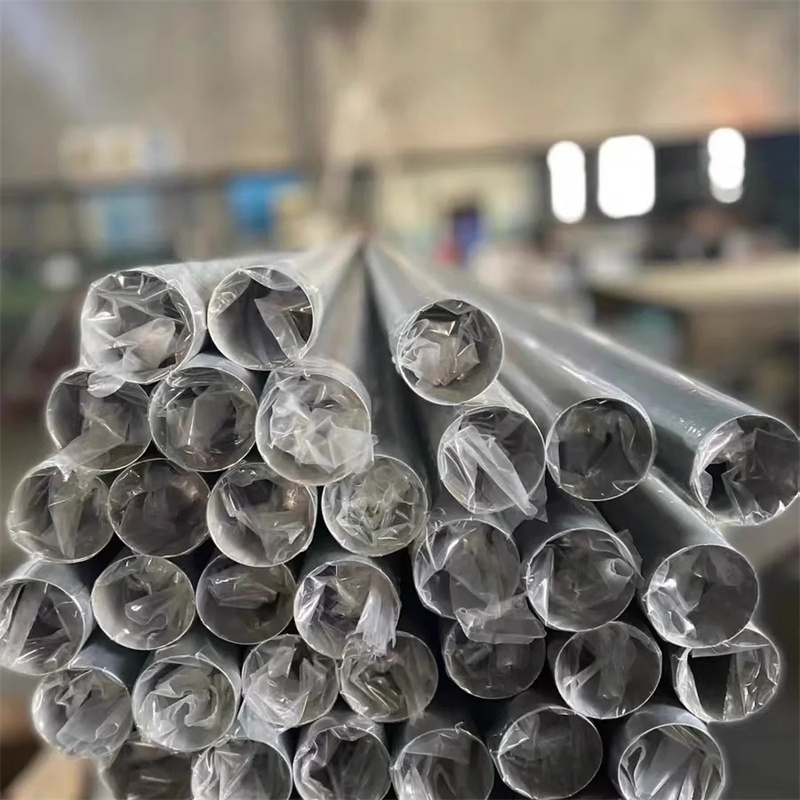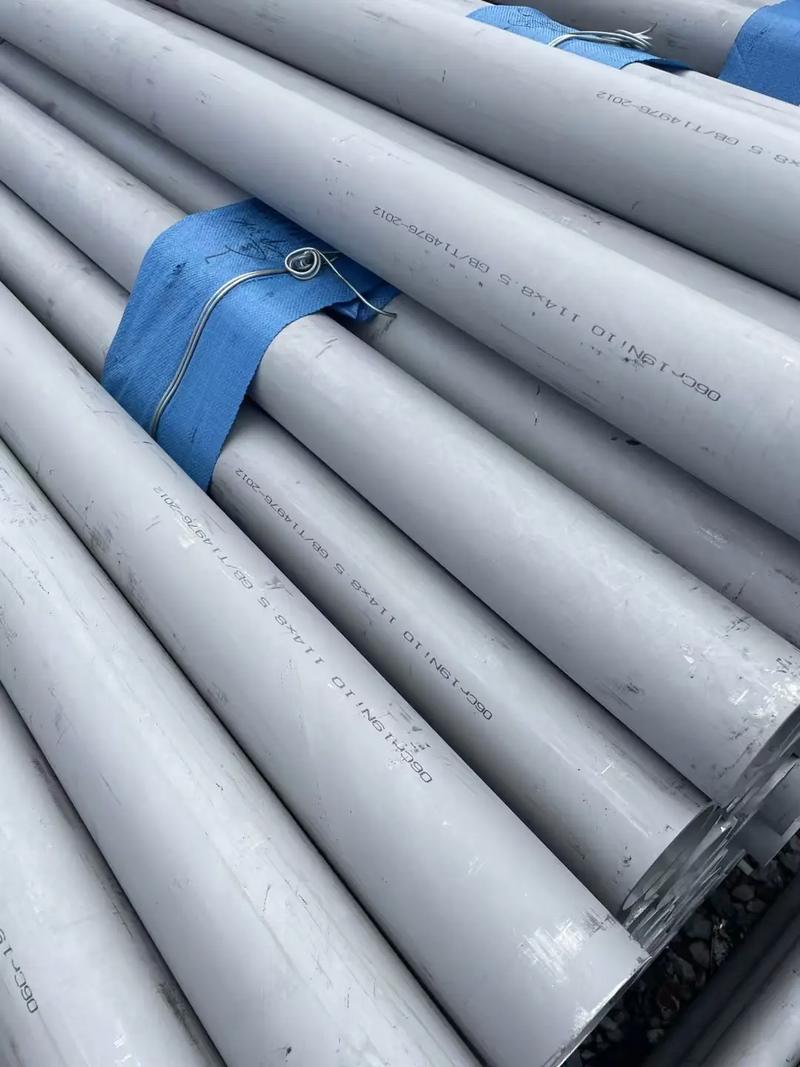

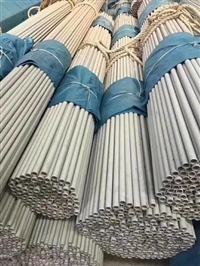
Industrial grade stainless steel heat exchanger tubes, corrosion-resistant high temperature and high pressure heat exchange equipment special pipes
Category:
building materials/Construction and building materials pipes/Stainless steel pipe
Model:
thirteen billion three hundred and fifty-five million two hundred and fourteen thousand four hundred
Brand:
Shuo Kai
Material:
304/316L/2205/2507
outer diameter:
Φ19-Φ57mm
wall thickness:
2-5mm
Execution Standard:
GB/T 13296
Surface Treatment:
pickling and passivation
Delivery status:
solution treatment
flaw detection:
Eddy current testing
Operating temperature:
-196℃~800℃
Retail Price
10,000,000.00USD
重量
kg
- Product Description
-
Material 304/316L/2205/2507
outer diameter Φ19-Φ57mm
wall thickness 2-5mm
Execution Standard GB/T 13296
Surface Treatment pickling and passivation
Delivery status solution treatment
flaw detection Eddy current testing
Operating temperature -196℃~800℃
Description :
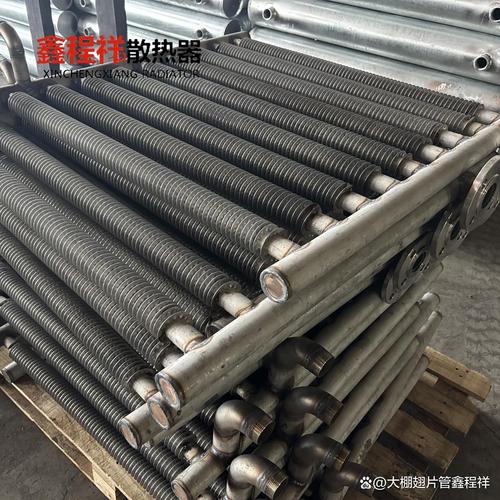
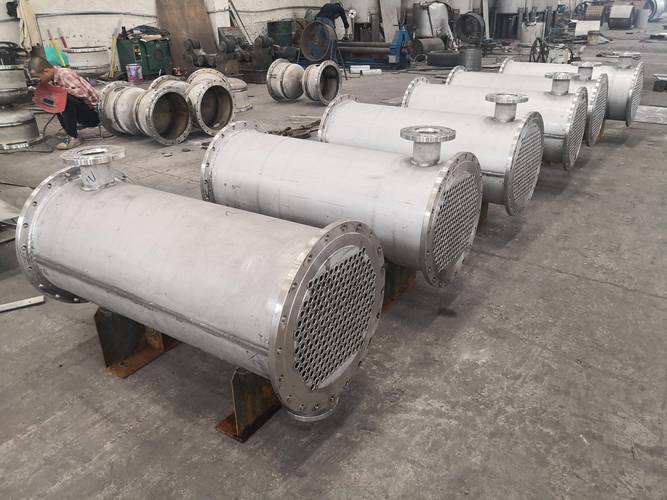
Stainless steel heat exchanger tubes are the core heat transfer components in heat exchange systems, mainly used to solve the heat transfer problem between two fluids, and are widely used in typical working conditions in industries such as chemical, petroleum, power, and pharmaceutical. This category achieves heat exchange between cold and hot media through tube walls, with excellent corrosion resistance and high mechanical strength. It can adapt to harsh working environments such as high temperature, high pressure, and highly corrosive media, ensuring long-term stable heat transfer efficiency. It is a key material for building various types of heat exchangers such as tube and plate.
The stainless steel heat exchanger tubes are usually made of austenitic stainless steel materials such as 304 and 316L, and comply with international and domestic standards such as GB/T 13296 or ASTM A213. The common outer diameter range is from Φ 19mm to Φ 57mm, with a wall thickness between 2mm and 5mm. The surface undergoes solid solution treatment and acid pickling passivation process to ensure smooth and oxygen free inner walls, reduce fluid resistance, and enhance resistance to intergranular corrosion. The product needs to undergo strict testing such as eddy current testing and hydrostatic testing to ensure that there are no defects such as sand holes or cracks, and meets the quality requirements of seamless steel pipes for pressure vessels. It has high dimensional accuracy and good concentricity.
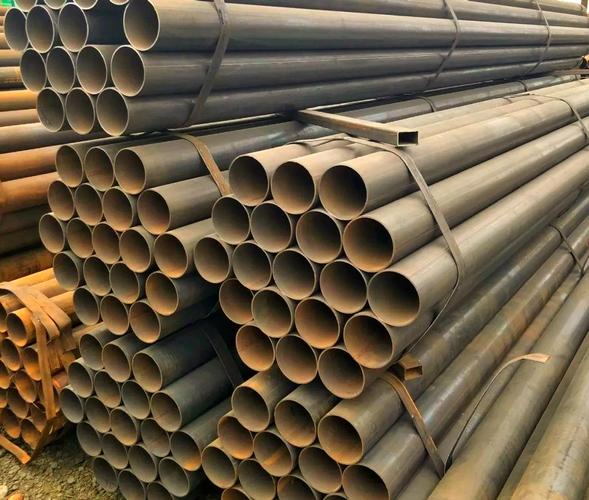
When selecting, the specific material and wall thickness should be determined based on the corrosiveness of the medium, working temperature, and pressure level. For environments containing chloride ions, it is recommended to use 316L or duplex steel materials to resist pitting corrosion; Ordinary water to water heat exchange can use 304 material to reduce costs. Attention should be paid to distinguishing heat exchanger tubes from ordinary fluid transport tubes, as the former have stricter requirements for surface smoothness, wall thickness uniformity, and non-destructive testing. If the working condition involves frequent thermal shock, materials with matching thermal expansion coefficient and excellent toughness should be selected to avoid leakage at the tube plate connection or tube body rupture caused by thermal stress.
When installing stainless steel heat exchanger tubes, it is necessary to ensure the quality of the tube bundle and tube plate expansion or welding to avoid residual stress caused by forced assembly. During daily maintenance, it is necessary to regularly monitor the temperature difference and pressure drop changes at the inlet and outlet to determine if there is scaling or blockage. If necessary, chemical cleaning or high-pressure water jet cleaning should be carried out. Common faults include corrosion and perforation of the pipe wall, vibration wear, and increased thermal resistance due to scaling. It is recommended to regularly check the position of the pipe mouth weld and support plate, maintain the medium flow rate within a reasonable range to reduce erosion corrosion, extend the overall service life of the heat exchange system, and ensure production continuity.
AfterSalesService :
Key words:
More Products