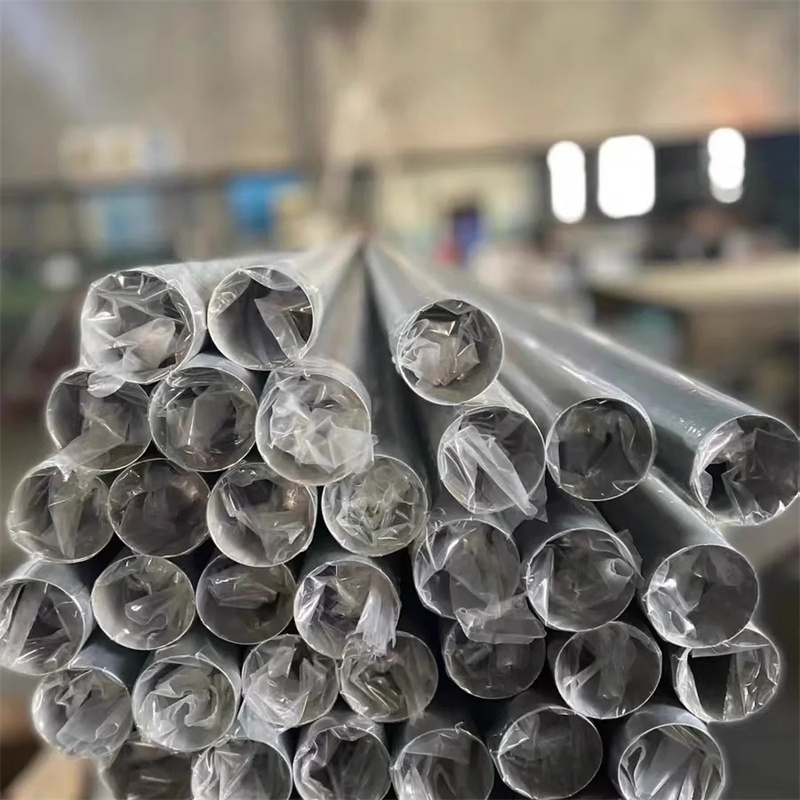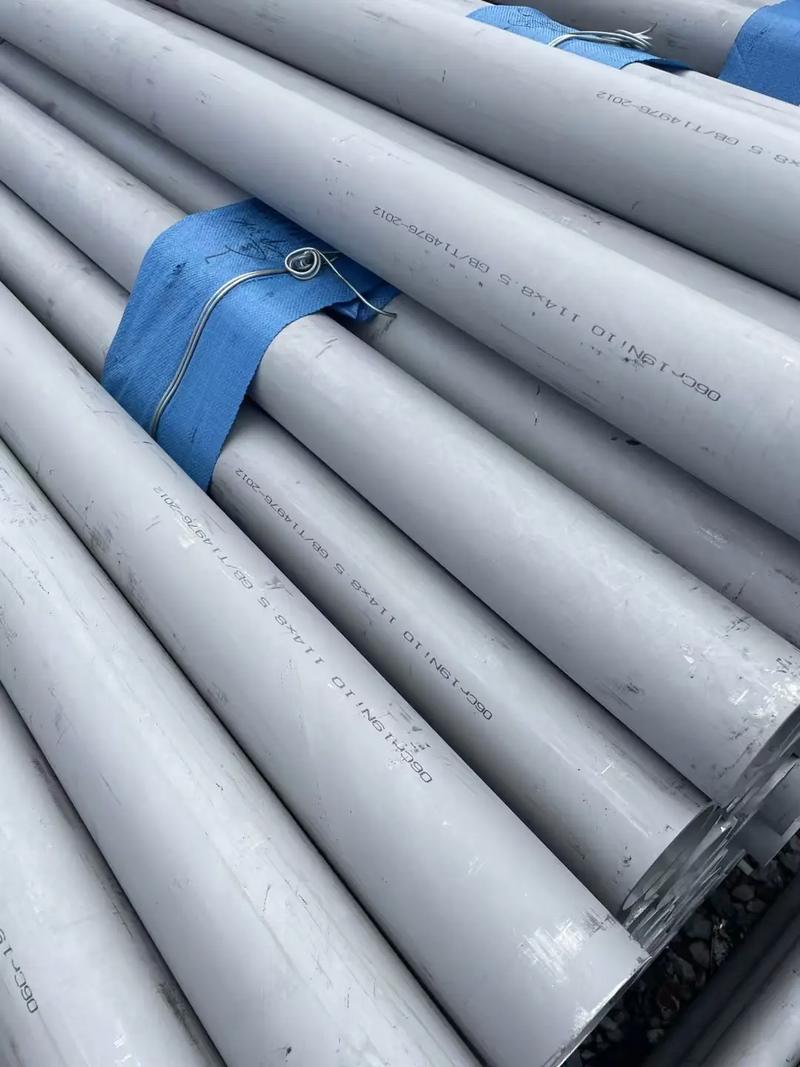

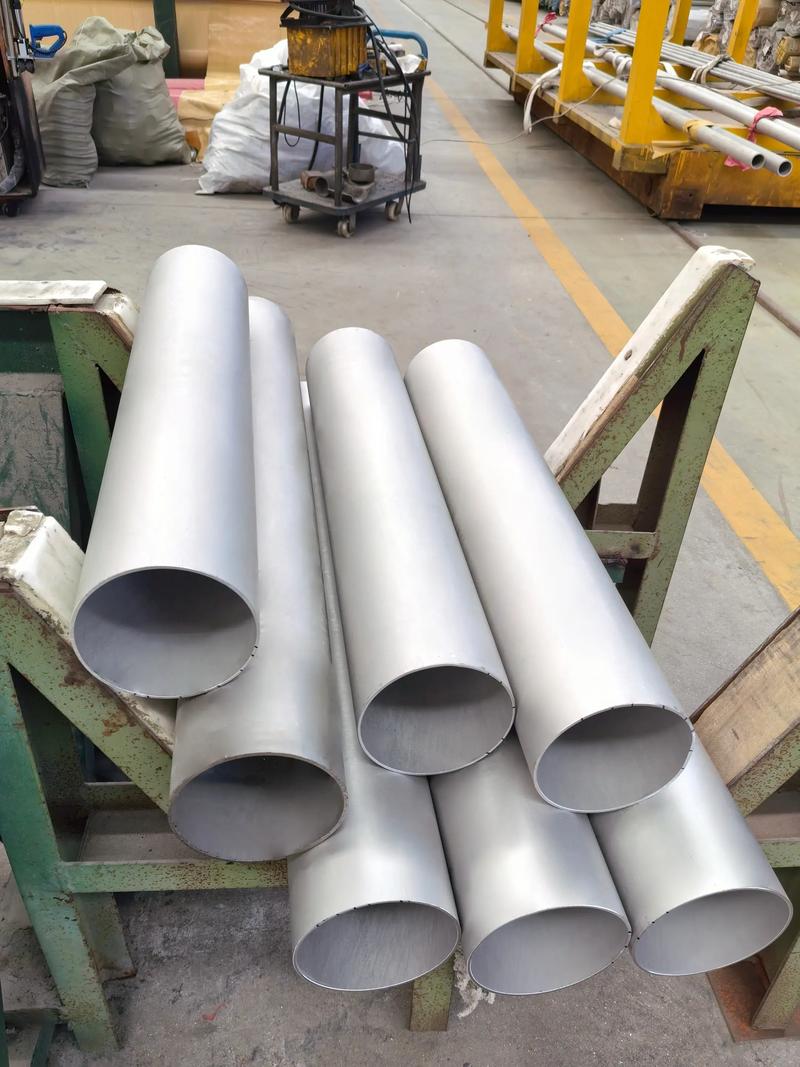
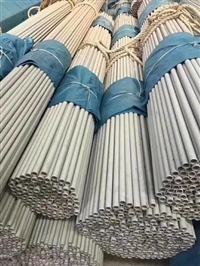
304/316L stainless steel seamless pipe, corrosion-resistant industrial pipe for high-pressure fluid transportation
Category:
metallurgy/Stainless steel pipes/Stainless steel hot-rolled seamless pipe
Model:
thirteen billion three hundred and fifty-five million two hundred and fourteen thousand four hundred
Brand:
Shuo Kai
Material:
304/316L/2205/2507/347H/904L, etc
production process:
Hot rolling/cold drawing
Execution Standard:
GB/T 14976-2012
Surface Treatment:
pickling and passivation
Outer diameter range:
6-630mm
Wall thickness range:
0.5-50mm
Fixed length:
6m
Application Fields:
Fluid transportation/boiler heat exchange
Retail Price
10,000,000.00USD
重量
kg
- Product Description
-
Material 304/316L/2205/2507/347H/904L, etc
production process Hot rolling/cold drawing
Execution Standard GB/T 14976-2012
Surface Treatment pickling and passivation
Outer diameter range 6-630mm
Wall thickness range 0.5-50mm
Fixed length 6m
Application Fields Fluid transportation/boiler heat exchange
Description :
Stainless steel seamless pipe is a long strip of steel with a hollow cross-section and no seams around it, mainly used for transporting fluid pipelines such as oil, natural gas, coal gas, water, and certain solid materials. Compared with welded steel pipes, stainless steel seamless pipes perform better in terms of pressure resistance, corrosion resistance, and high temperature performance, especially suitable for industrial conditions that require high safety and sealing. This product is widely used in the fields of petrochemicals, machinery manufacturing, boiler heat exchangers, and building decoration. It can effectively solve the problems of traditional welded pipes being prone to cracking and weld corrosion in high-pressure environments, and is an indispensable basic material in modern industrial construction.
This series of products is usually made of high-quality stainless steel round steel as raw material, through perforation hot rolling or cold drawing process, and follows the standards of GB/T 14976-2012 "Stainless Steel Seamless Steel Tubes for Fluid Transport" or GB/T 13296-2013 "Stainless Steel Seamless Steel Tubes for Boilers and Heat Exchangers". Common materials include austenitic stainless steels such as 304, 304L, 316, 316L, etc., which have good resistance to intergranular corrosion. The specification range covers an outer diameter of 6mm to 630mm, a wall thickness of 0.5mm to 50mm, and a length of usually 6 meters or unspecified. The surface of the product has undergone acid pickling and passivation treatment, presenting a silver white metallic luster. The inner wall is smooth with low roughness, ensuring minimal resistance when fluid passes through. At the same time, strict testing such as hydrostatic testing and eddy current testing is carried out to ensure the quality stability of each pipe.
When selecting, it is necessary to choose materials and specifications based on the specific usage environment. For general corrosive media or ambient temperature environments, 304 stainless steel seamless pipes can meet the requirements with high cost-effectiveness; If it involves highly corrosive environments such as strong acids, strong alkalis, or marine climates, it is recommended to use 316L material containing molybdenum, which has stronger resistance to pitting corrosion. For high-pressure boilers or high-temperature heat exchange systems, special attention should be paid to the high-temperature strength and oxidation resistance of the pipes, and thick walled products that meet the boiler pipe standards should be selected. It should be noted that stainless steel seamless pipes are not suitable for ordinary structural support scenarios that are extremely cost sensitive and have no corrosion requirements. In such cases, carbon steel welded pipes can be considered to reduce costs. When purchasing, it is necessary to specify the tolerance levels of outer diameter and wall thickness to ensure the precision of subsequent processing and installation.
When installing seamless stainless steel pipes, specialized stainless steel cutting tools should be used to avoid carbon steel dust pollution and subsequent rusting. The connection methods are mostly argon arc welding or flange connection, and the interlayer temperature must be strictly controlled during welding. After welding, acid pickling and passivation treatment must be carried out to restore corrosion resistance. In daily maintenance, the surface of the pipeline should be regularly inspected for scratches, dents, or signs of medium leakage, especially in stress concentration areas such as bends and tees. For pipelines transporting flammable, explosive, or toxic media, regular non-destructive testing must be conducted in accordance with special equipment safety regulations. When the stainless steel seamless pipe is not in use for a long time, the accumulated liquid in the pipe should be drained and kept dry to prevent local electrochemical corrosion, thereby extending the service life of the stainless steel seamless pipe and ensuring the safe operation of the system.
AfterSalesService :
Key words:
More Products