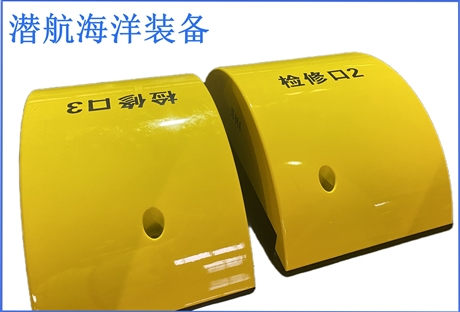

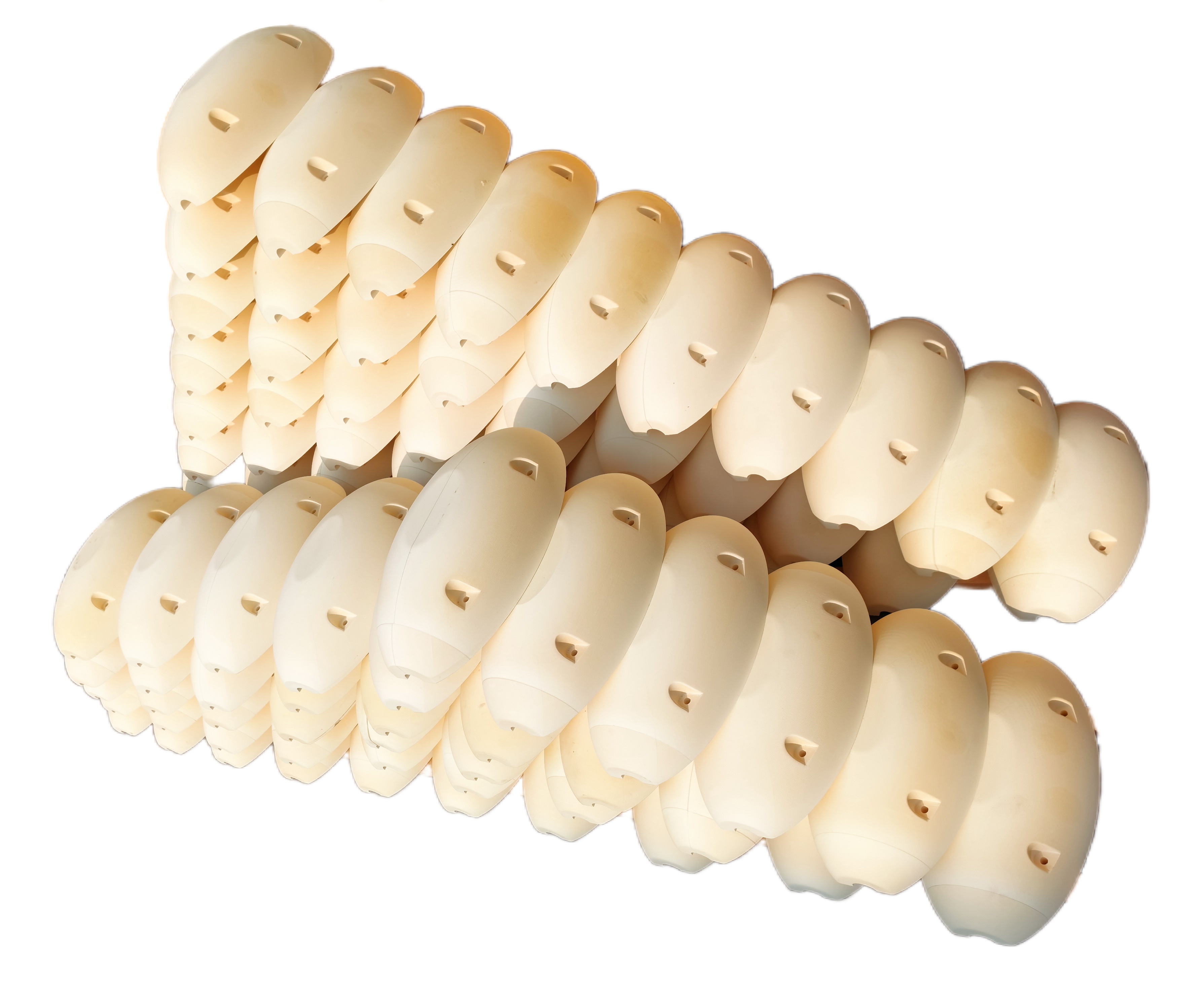
Deep sea high-strength solid buoyancy material, low-density seawater resistant, customizable for processing
Category:
Rubber and plastic/Foam plastic/Foam plastic
Model:
Customization Supported
Brand:
Submarine Navigation in the Ocean
density range:
0.13-0.7g/cm³
compressive strength:
High compression strength to weight ratio
water absorption rate:
Low water absorption rate
Creep characteristics:
Low creep
weather resistance:
Good weather resistance and seawater resistance
Surface Treatment:
Spray painting, polyurea spraying
Processing method:
Support customized processing
Application Fields:
Ocean exploration, resource development, underwater operations
Retail Price
10,000,000.00USD
重量
kg
- Product Description
-
density range 0.13-0.7g/cm³
compressive strength High compression strength to weight ratio
water absorption rate Low water absorption rate
Creep characteristics Low creep
weather resistance Good weather resistance and seawater resistance
Surface Treatment Spray painting, polyurea spraying
Processing method Support customized processing
Application Fields Ocean exploration, resource development, underwater operations
Description :
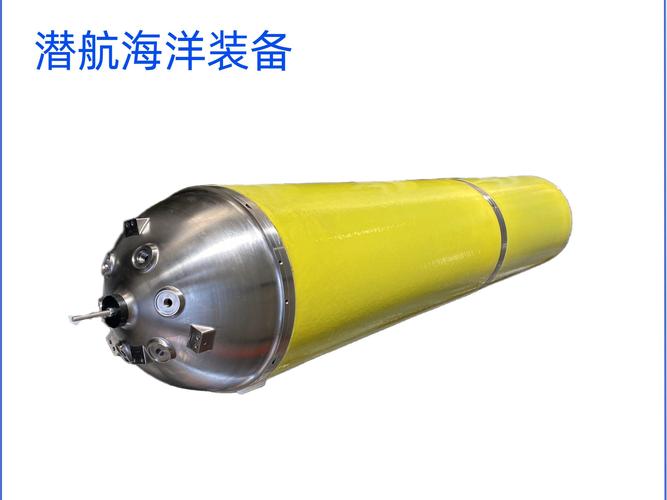
Solid buoyancy material is a high-strength, low-density composite material designed specifically for deep-sea environments, mainly to solve the problem of maintaining positive buoyancy and structural integrity of underwater equipment in high-pressure environments. It is widely used in ocean exploration, resource development, and various underwater operation equipment, serving as the core buoyancy component to provide stable upward buoyancy while also considering protective functions. This material has a high compression strength to weight ratio and can withstand enormous seawater pressure at extremely low densities, ensuring long-term stable operation of equipment such as deep-sea submersibles, ROVs (remotely operated vehicles), and underwater observation stations at depths of thousands of meters. It is an indispensable key foundational material in the field of ocean engineering.
Solid buoyancy materials have excellent physical properties, with a density range controlled between 0.13-0.7g/cm ³, and can be precisely adjusted according to specific buoyancy requirements. It adopts a composite process of microsphere filling and polymer resin matrix inside, with extremely low water absorption and creep characteristics. It can maintain volume stability and buoyancy without attenuation even after long-term immersion in seawater. The surface is usually treated with spray paint or polyurea spray to form a dense protective layer, further enhancing weather resistance, seawater corrosion resistance, and mechanical damage resistance. Strictly follow the marine engineering material specifications to ensure that each batch of products achieves industry-leading levels in compressive strength, density uniformity, and durability, adapting to complex and changing marine conditions.
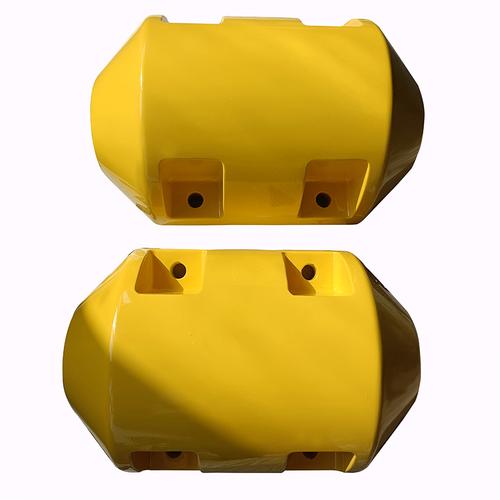
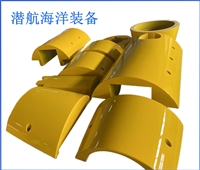
When selecting solid buoyancy materials, it is important to consider the working water depth, required net buoyancy, and equipment external space limitations. For ultra deep diving applications at the 10000 meter level, models with a density close to 0.13g/cm ³ and extremely high compressive strength should be selected; For shallow or medium depth operations, higher density but more cost-effective specifications can be selected. Support customized processing, can be cut into various shapes according to customer provided drawings, such as curved, spherical or irregular blocks, to perfectly fit the equipment shell. Compared with ordinary foamed plastics, solid buoyancy materials have essential differences in compression resistance and water resistance. It is strictly prohibited to replace ordinary thermal insulation materials for deep water environment to avoid equipment sinking accidents caused by crushing.
The installation of solid buoyancy materials should ensure a tight fit with the equipment casing, commonly using high-strength epoxy resin adhesive or mechanical fixation to avoid displacement under the impact of ocean currents. In daily maintenance, the surface coating should be regularly inspected for scratches, peeling, or adhesion of marine organisms. If any damage is found, it should be repaired in a timely manner to prevent seawater from infiltrating the substrate. Although the material has low water absorption, long-term microcrack propagation may affect its performance. It is recommended to conduct visual inspection before and after each sea operation. When storing, it should be placed in a dry and ventilated place, avoiding direct sunlight and high temperature environment to prevent aging of the resin matrix. Proper maintenance can significantly extend the service life of solid buoyancy materials and ensure the safety of underwater assets.
AfterSalesService :
18738285692Key words:
More Products