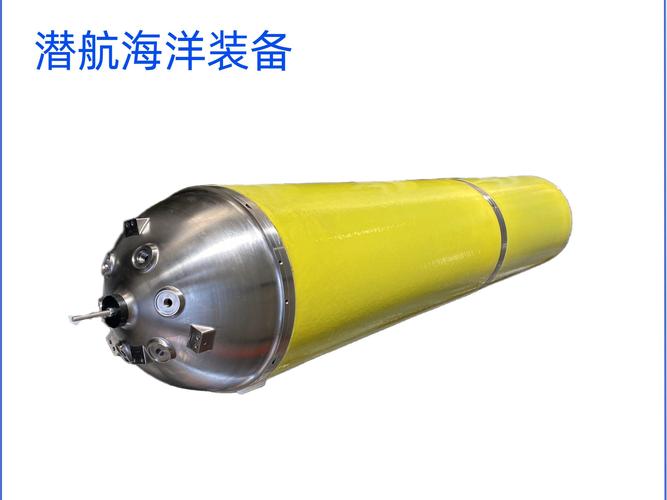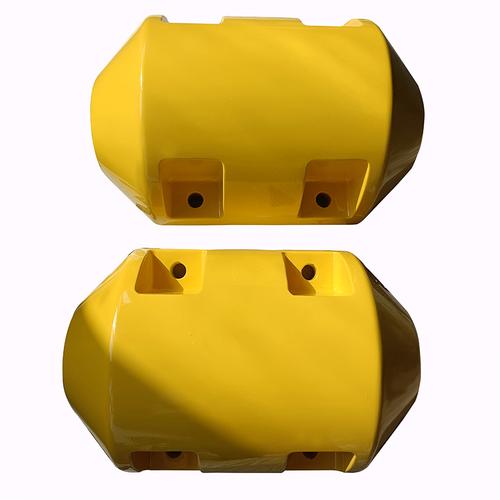
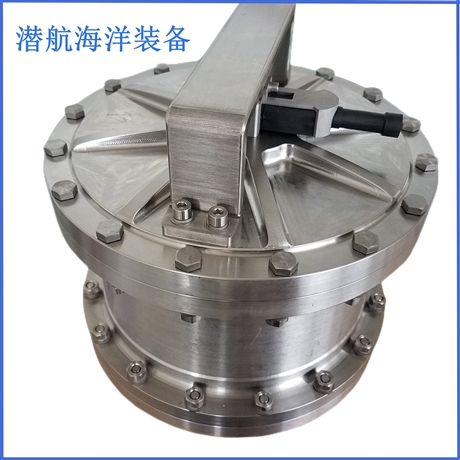

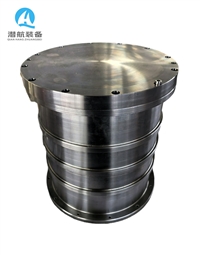
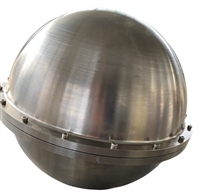
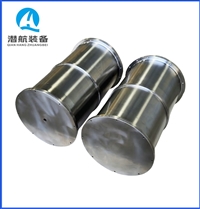
Titanium alloy aluminum alloy pressure resistant cabin for deep-sea submersibles 1000-10000 meters can be customized with high strength
Category:
Transportation/Diving and underwater rescue equipment/Decompression chamber
Model:
Non-standard customization
Brand:
Anyang Submarine Navigation
Material:
Titanium alloy/aluminum alloy
Depth of work:
2000~10000 meters
Processing Technology:
Turning/milling/drilling
Specifications and Dimensions:
Customization Supported
Product Features:
High pressure resistance/high strength
Application Fields:
Deep-sea submersible
structural form:
Cylindrical/spherical (typical)
Surface Treatment:
Precision machining/anti-corrosion treatment
Retail Price
10,000,000.00USD
重量
kg
- Product Description
-
Material Titanium alloy/aluminum alloy
Depth of work 2000~10000 meters
Processing Technology Turning/milling/drilling
Specifications and Dimensions Customization Supported
Product Features High pressure resistance/high strength
Application Fields Deep-sea submersible
structural form Cylindrical/spherical (typical)
Surface Treatment Precision machining/anti-corrosion treatment
Description :
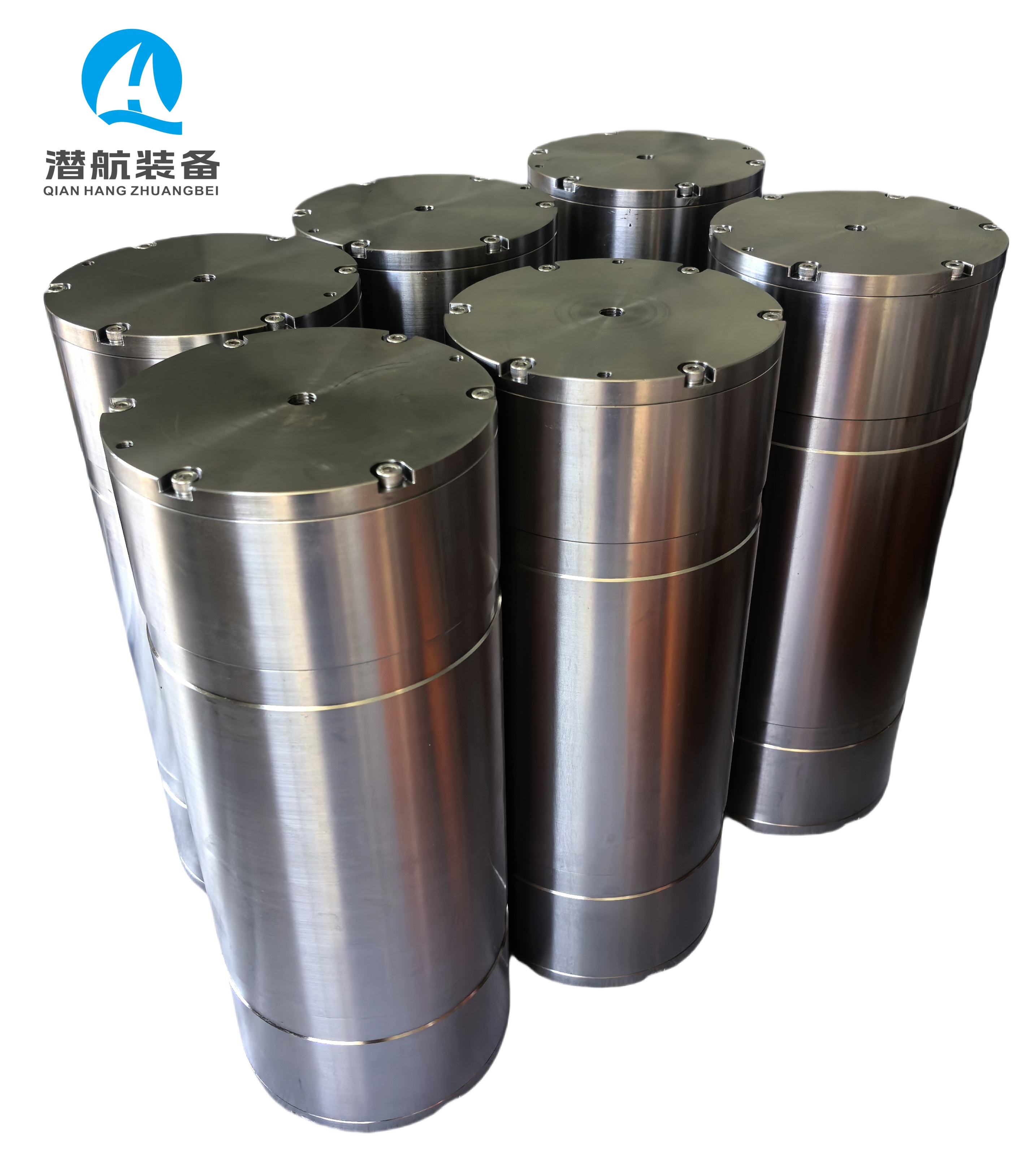
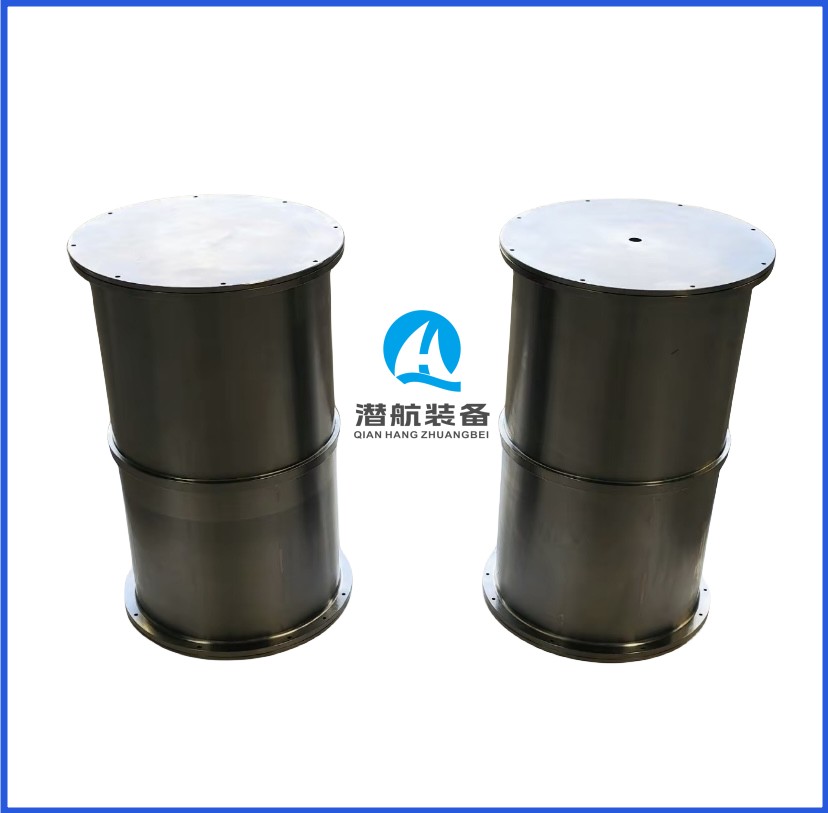
Anyang Submarine Marine Equipment Manufacturing Co., Ltd. Pressure Cabin Processing Plant. The pressure cabin is the core pressure bearing structural component of deep-sea submersibles, mainly solving equipment protection and personnel safety issues under high hydrostatic pressure in deep sea. This type of product is usually made of titanium alloy or high-strength aluminum alloy, suitable for extreme marine environments working at depths of 1000 to 10000 meters. As the "heart" part of an underwater vehicle, the pressure chamber not only needs to provide sufficient internal space to accommodate instruments, batteries, or crew, but also must have extremely high structural integrity to resist the enormous external seawater pressure, ensuring the safety and stability of the underwater vehicle during deep-sea operations. It is an indispensable key component in fields such as deep-sea exploration, seabed resource development, and military reconnaissance.
The pressure chamber is made of high-quality titanium alloy or aluminum alloy materials and manufactured through precision machining processes such as turning, milling, and drilling. Titanium alloy material has excellent specific strength and corrosion resistance, while aluminum alloy has good lightweight advantages. The specific material selection needs to be determined according to the design depth and load requirements. The product supports customized specifications and sizes, which can meet the installation needs of different types of submersibles. In terms of implementing standards, it is usually necessary to comply with the specifications for marine metal materials and relevant testing standards for deep-sea pressure vessels. Strict hydrostatic testing and non-destructive testing are conducted to ensure the quality of welds and the sealing of the overall structure, and to adapt to long-term seawater immersion and high-pressure alternating load conditions.
The installation of the pressure chamber must be carried out by professionals in a clean environment to ensure that the sealing ring is intact and the bolt tightening torque meets the design specifications. In daily maintenance, it is necessary to regularly inspect the surface of the cabin for corrosion spots, cracks, or deformations, especially in the weld area and around the openings. Before and after each dive, an air tightness check is required to prevent minor leaks from causing damage to internal equipment. Common faults include water ingress caused by seal aging, microcracks caused by structural fatigue, etc. It is recommended to establish a full life cycle file to record the depth and duration of each dive, and conduct non-destructive testing and maintenance based on the usage cycle to extend the service life of the pressure vessel and ensure the safety of deep-sea operations.
AfterSalesService :
24小时服务热线:18738285692Key words:
More Products