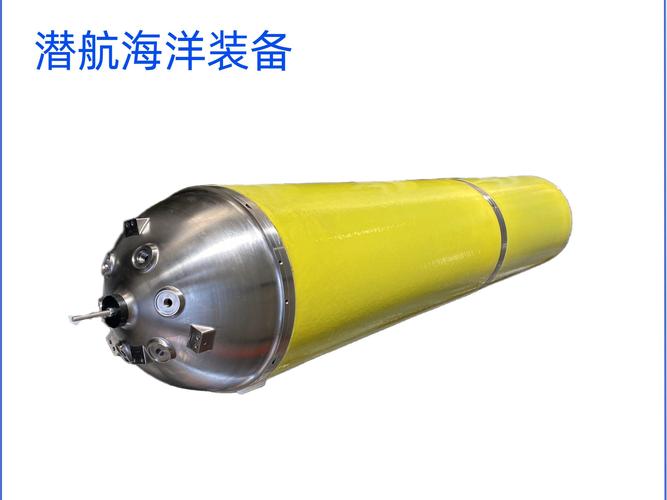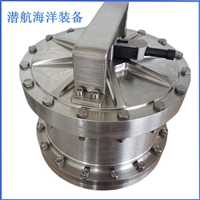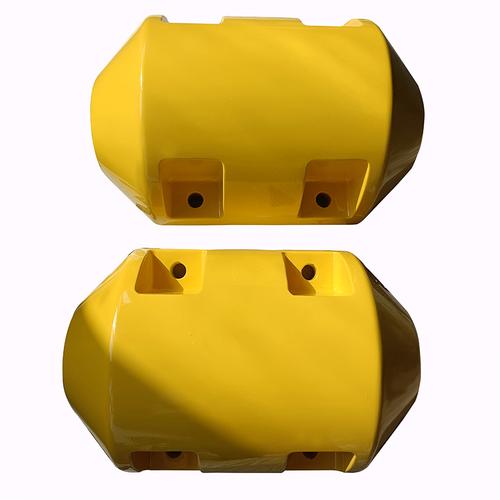
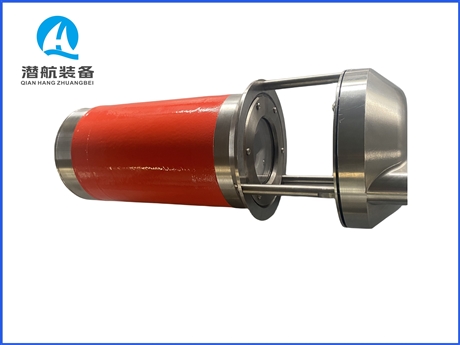

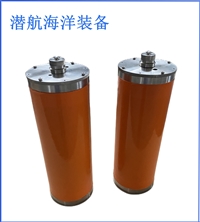
Carbon fiber composite pressure cabin ROV/AUV universal deep-sea pressure hull customization
Category:
Transportation/Diving and underwater rescue equipment/Decompression chamber
Model:
Support non-standard customization
Brand:
Submarine Navigation in the Ocean
Material:
Carbon fiber polymer composite material
Applicable Devices:
ROV/AUV/submersible/underwater glider
Features:
Lightweight/High pressure resistant/Corrosion resistant
Processing method:
Support customized water depth
Application Fields:
Ocean observation/deep-sea exploration
structural type:
Universal pressure resistant container
Surface Treatment:
Smooth streamline
Retail Price
10,000,000.00USD
重量
kg
- Product Description
-
Material Carbon fiber polymer composite material
Applicable Devices ROV/AUV/submersible/underwater glider
Features Lightweight/High pressure resistant/Corrosion resistant
Processing method Support customized water depth
Application Fields Ocean observation/deep-sea exploration
structural type Universal pressure resistant container
Surface Treatment Smooth streamline
Description :
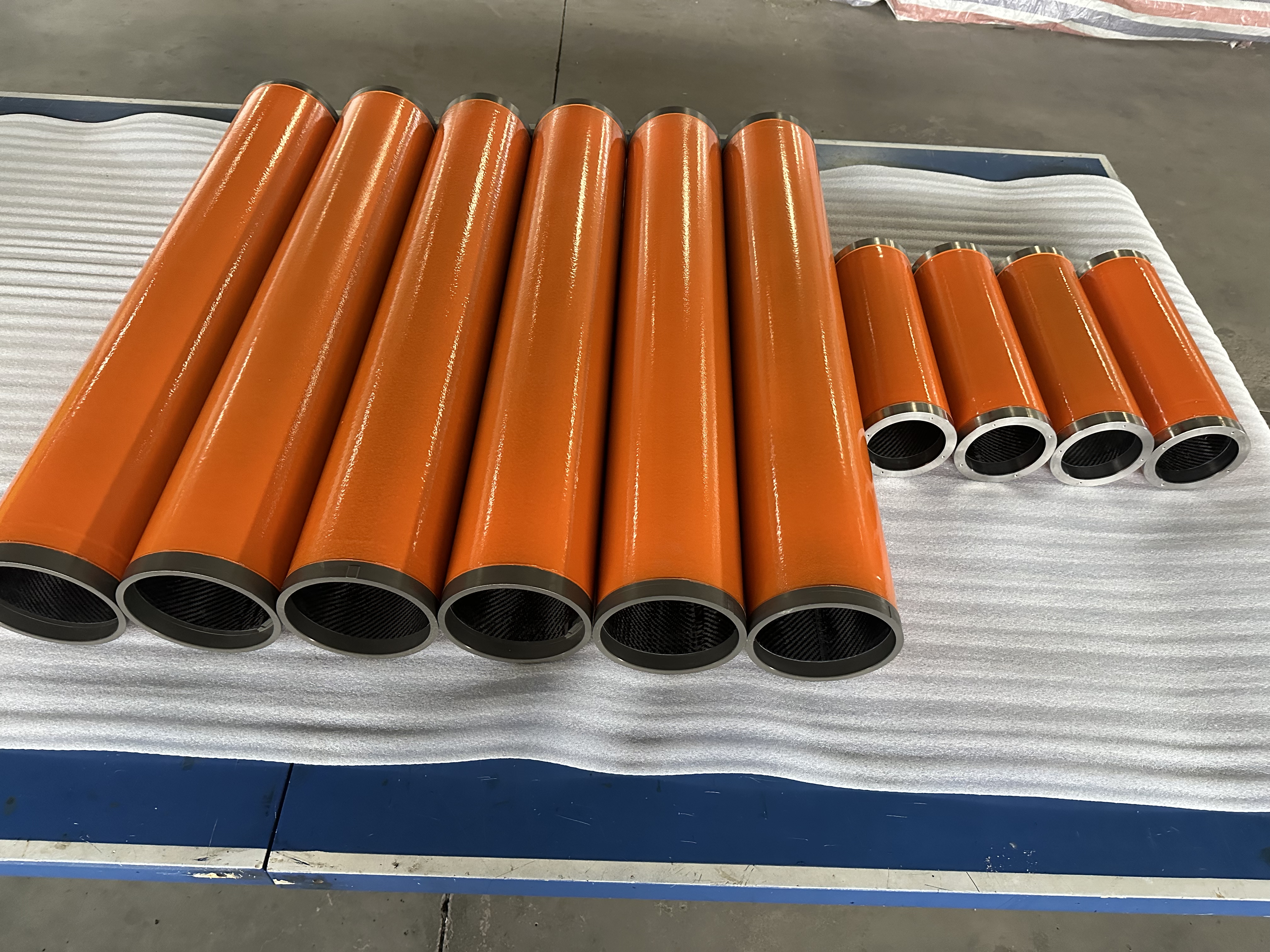
Pressure resistant cabin is the core load-bearing component of underwater equipment, mainly solving the problems of equipment sealing and protection in deep-sea high-pressure environments. This product is made of a new type of carbon fiber polymer composite material, which has significant characteristics of high strength and lightweight. It is suitable for ocean observation platforms such as ROV remote-controlled submersibles, AUV autonomous underwater vehicles, submersible markers, and underwater gliders. As a universal pressure resistant container, it can effectively protect internal electronic instruments, sensors, and battery packs from seawater corrosion and high pressure damage, ensuring the safety and stability of underwater operations. It is an indispensable key component for deep-sea exploration and ocean engineering.
The main body of the pressure resistant cabin is made of carbon fiber reinforced composite material, combined with a polymer resin matrix, and formed through winding or molding processes. Compared to traditional metal pressure chambers, it has a lighter weight, less buoyancy loss, and excellent fatigue and corrosion resistance. The product follows strict standards for water tightness and pressure resistance testing, and can be customized according to the water depth used. Common working water depths range from several hundred meters to several kilometers. The smooth surface of the shell and streamlined design help reduce underwater resistance. The material has good insulation performance, no interference to internal signal transmission, meets the relevant certification requirements for marine engineering materials, and ensures long-term reliability in harsh sea conditions.
When selecting, special consideration should be given to the working water depth, internal equipment dimensions, and installation interface form. This product is suitable for underwater robots and observation platforms that are sensitive to weight, require long endurance or high maneuverability. If the work environment involves extreme high temperatures or strong mechanical impact risks, the tolerance limit of composite materials should be evaluated, and if necessary, reinforced structures or combinations with metal end caps can be used. Compared with aluminum alloy or titanium alloy pressure resistant cabins, carbon fiber pressure resistant cabins reduce weight by more than 30% at the same pressure resistance level, but have relatively high costs. They are suitable for high-end marine equipment projects that have strict requirements for overall system buoyancy balance. Detailed load parameters need to be provided before procurement for accurate matching.
During installation, it is necessary to ensure that the sealing ring is clean and undamaged, the bolt tightening torque is uniform, and to avoid local stress concentration that may cause cracking of the shell. In daily maintenance, the surface of the shell should be regularly inspected for delamination, cracks, or scratches, especially the water tightness of the connection parts. After use, rinse with fresh water to remove salt and prevent corrosion of metal inserts. Common faults include aging of the sealing ring, water leakage, or damage to the shell due to foreign object impact. It is recommended to establish a regular flaw detection mechanism. During long-term storage, direct sunlight and high temperature environments should be avoided, and dry and ventilated conditions should be maintained to extend the service life of carbon fiber composite pressure chambers and maintain their mechanical stability.
AfterSalesService :
24小时服务热线:18738285692Key words:
More Products