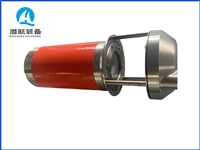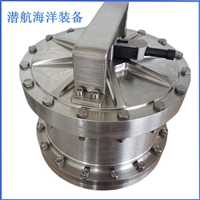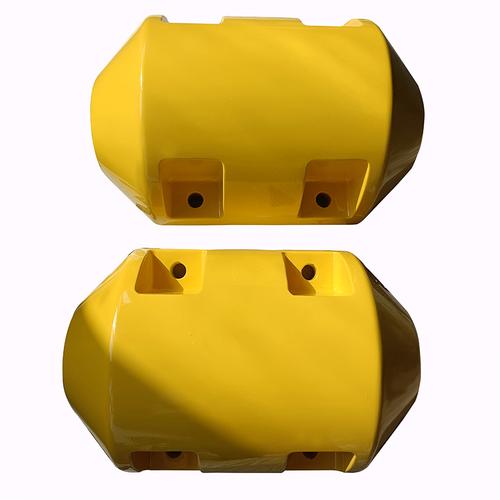
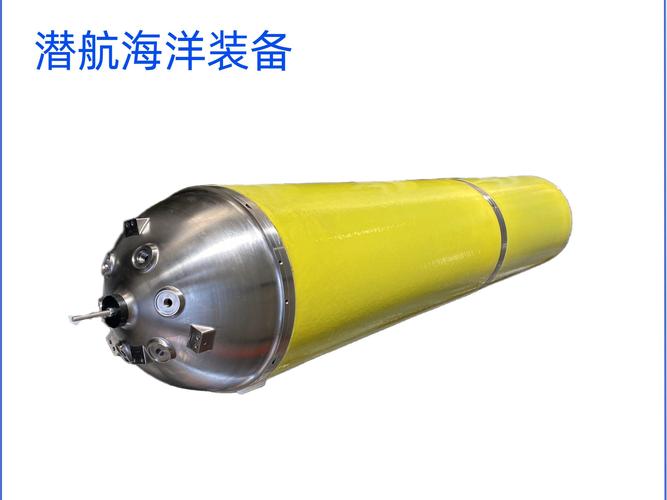

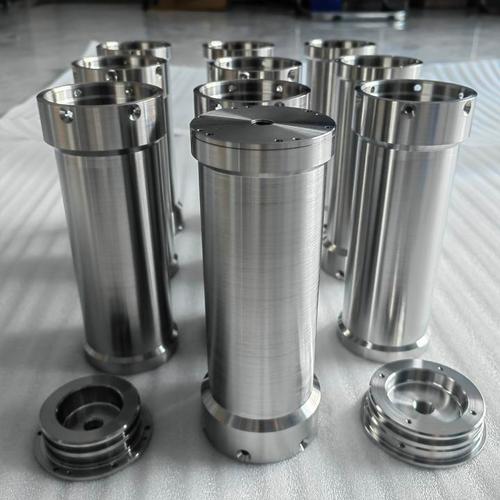
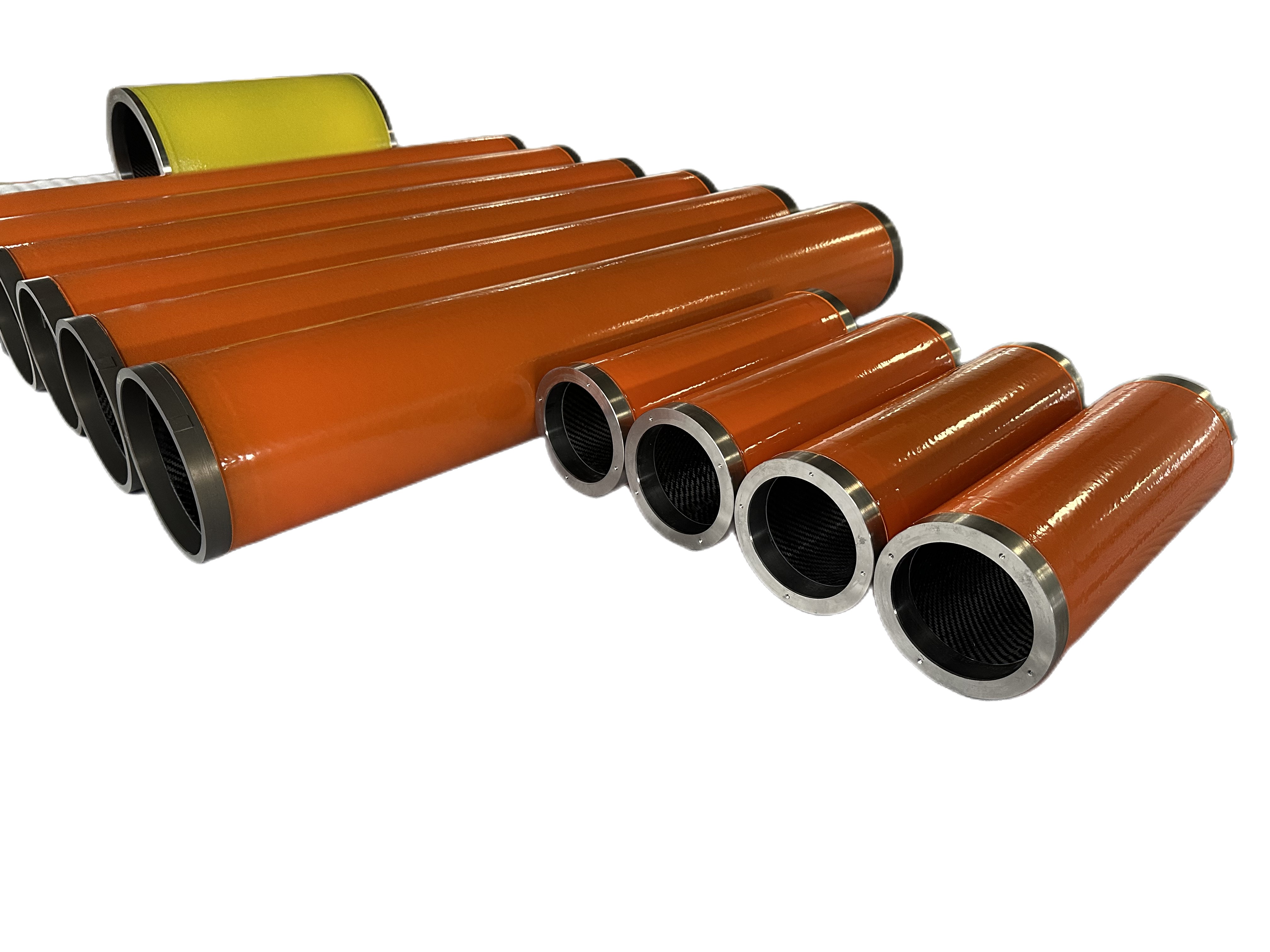
Customization of Carbon Fiber Polymer Composite Pressure resistant Cabin for Deep Sea ROV/AUV Universal Pressure resistant Shell
Category:
machining/Mechanical component processing/Processing of other mechanical components
Model:
Support non-standard customization
Brand:
Submarine Navigation in the Ocean
Main material:
Carbon fiber polymer composite material/non-metal
Application Fields:
ROV/AUV/submersible/underwater glider
Features:
High pressure resistance/corrosion resistance/lightweight
customized service:
Customized processing based on water depth/size
Product Type:
Universal pressure resistant container/pressure resistant shell
Applicable Environment:
Deep sea/ocean observation platform
structural form:
Cylindrical/with end cap sealing structure
Surface Treatment:
Smooth anti-corrosion coating
Retail Price
10,000,000.00USD
重量
kg
- Product Description
-
Main material Carbon fiber polymer composite material/non-metal
Application Fields ROV/AUV/submersible/underwater glider
Features High pressure resistance/corrosion resistance/lightweight
customized service Customized processing based on water depth/size
Product Type Universal pressure resistant container/pressure resistant shell
Applicable Environment Deep sea/ocean observation platform
structural form Cylindrical/with end cap sealing structure
Surface Treatment Smooth anti-corrosion coating
Description :
The pressure chamber is the core load-bearing component of deep-sea exploration equipment, mainly solving the protection problem of internal precision instruments and equipment in underwater high-pressure environment. This type of product is usually made of high-strength non-metallic materials or new carbon fiber polymer composite materials, with characteristics such as light weight, high strength, and corrosion resistance. As a universal pressure resistant container, it is widely used in ocean observation platforms such as ROVs (remotely operated vehicles), AUVs (autonomous underwater vehicles), submersible markers, and underwater gliders. By providing reliable enclosed spaces, pressure chambers ensure the normal operation of electronic components, sensors, and battery packs at depths of hundreds to thousands of kilometers, making them essential key structural components in marine engineering equipment.
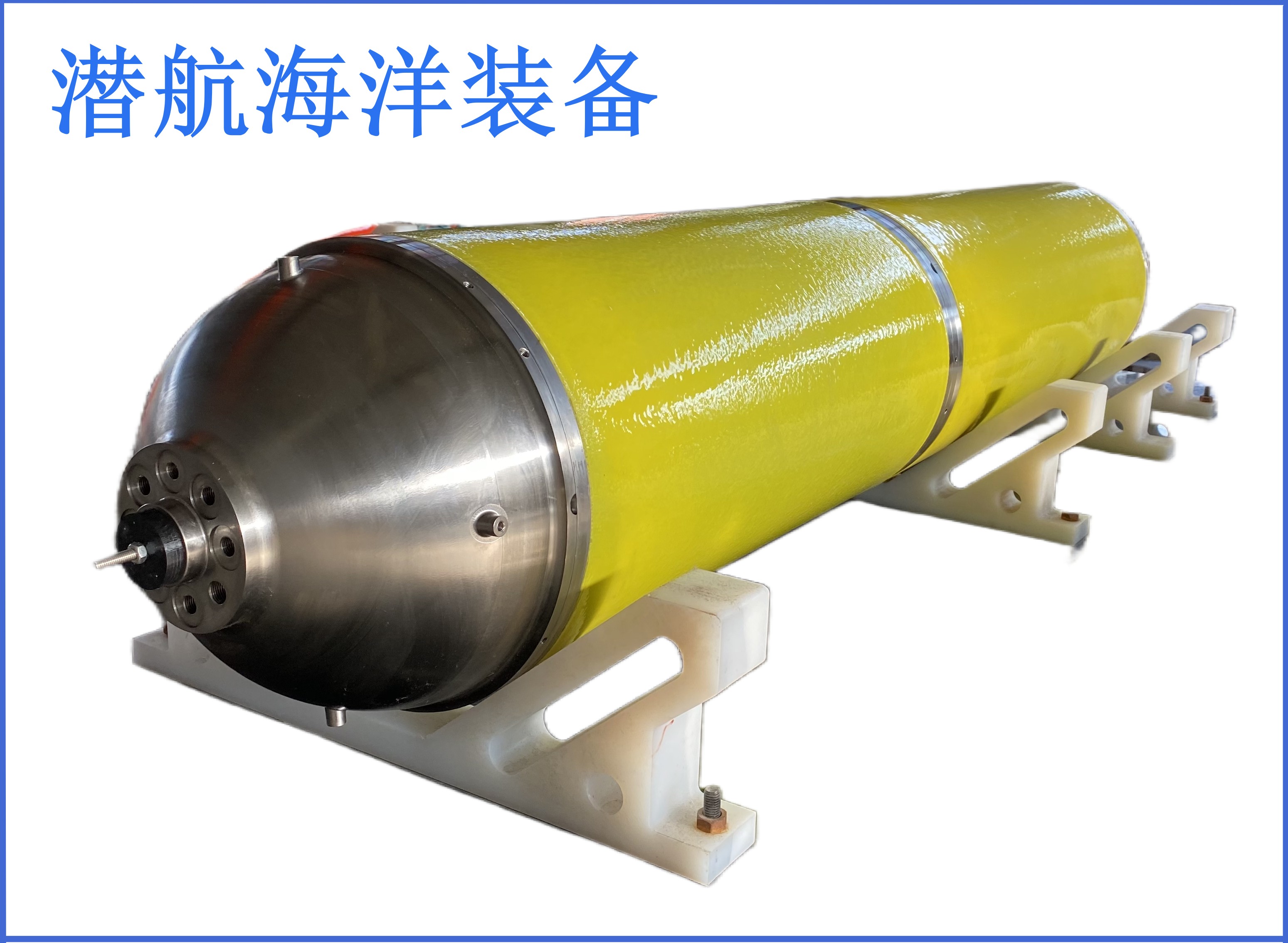
This series of pressure resistant cabins is made of new carbon fiber polymer composite materials or non-metallic materials, with a focus on interlayer bonding force and overall molding quality in the process. The product undergoes strict hydrostatic testing standards to ensure structural integrity at the design water depth. Typical specifications cover different diameters and lengths to accommodate the internal spatial layout of various underwater robots. The material itself has excellent resistance to seawater corrosion, and does not age or leak water after long-term immersion. Some models are optimized for extreme deep-sea environments, and the thickness of the shell and the distribution of reinforcement ribs are optimized through finite element analysis to achieve lightweight design while ensuring safety factors, meeting the strict requirements of high-performance underwater equipment for load and buoyancy.
When selecting, it is important to consider the working water depth, internal equipment dimensions, and weight limitations. For shallow water observation, conventional non-metallic pressure chambers can meet the requirements; For deep-sea ROVs or AUVs, it is recommended to use carbon fiber polymer composite pressure resistant shells to significantly reduce system weight and improve payload ratio. If the application scenario involves complex ocean currents or long-term deployment, attention should be paid to the sealing form of the end cover and interface reservation of the pressure vessel. Compared with ordinary metal pressure resistant shells, composite pressure resistant cabins have better sound transmission and insulation properties, but attention should be paid to avoiding collisions with sharp objects. Customized processing based on specific water depth can ensure the best balance between cost-effectiveness and performance.
Before installation, check whether the inner wall of the pressure chamber is smooth and free of impurities, and whether the O-ring sealing groove is intact. During assembly, it is necessary to evenly tighten the end cap bolts and operate according to the recommended torque to prevent seal failure caused by uneven force. In daily maintenance, rinse the surface salt with fresh water after each discharge to check for scratches or cracks on the shell. Long term storage should be placed in a cool and dry place, avoiding direct sunlight that can cause degradation of the performance of composite materials. Common faults include aging and leakage of sealing rings or damage to the shell due to impact. It is recommended to replace the sealing components regularly and conduct pressure tests. Proper maintenance can significantly extend the service life of pressure chambers and ensure the safety and continuity of underwater operations.
AfterSalesService :
24小时服务热线18738285692Key words:
More Products