
Customized working depth of 2000-10000 meters for titanium alloy aluminum alloy pressure resistant cabin of deep-sea submersible
Category:
Instrumentation/Special instruments and meters/hydrologic apparatus
Model:
Used at 3000 meters underwater
Brand:
Anyang Submarine Navigation
Material:
Titanium alloy/aluminum alloy/carbon fiber
Depth of work:
0~10000 meters
manufacturing process:
Turning/milling/drilling
Specifications and Dimensions:
Customizable
Key Features:
High pressure resistance/high strength
Application Fields:
Deep sea submersibles, underwater robots, scientific research, etc
Surface Treatment:
Precision machining/anti-corrosion treatment
Detection method:
Non destructive testing/pressure testing
Retail Price
10,000,000.00USD
重量
kg
- Product Description
-
Material Titanium alloy/aluminum alloy/carbon fiber
Depth of work 0~10000 meters
manufacturing process Turning/milling/drilling
Specifications and Dimensions Customizable
Key Features High pressure resistance/high strength
Application Fields Deep sea submersibles, underwater robots, scientific research, etc
Surface Treatment Precision machining/anti-corrosion treatment
Detection method Non destructive testing/pressure testing
Description :
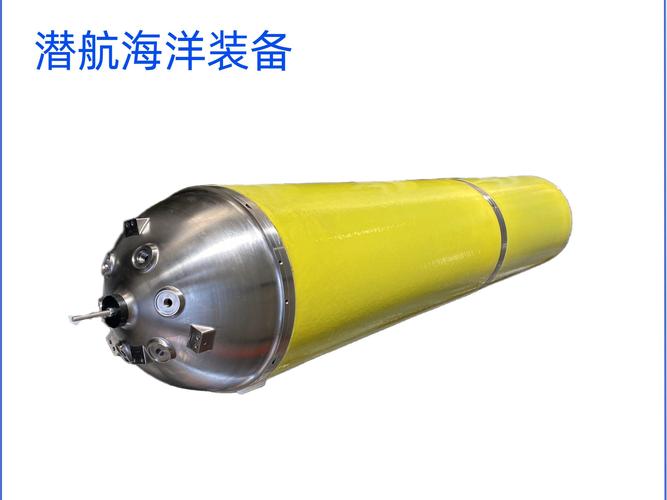
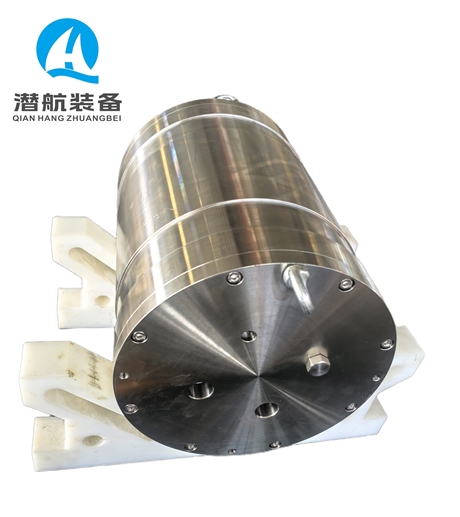
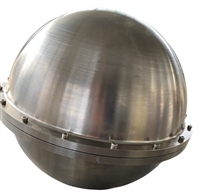
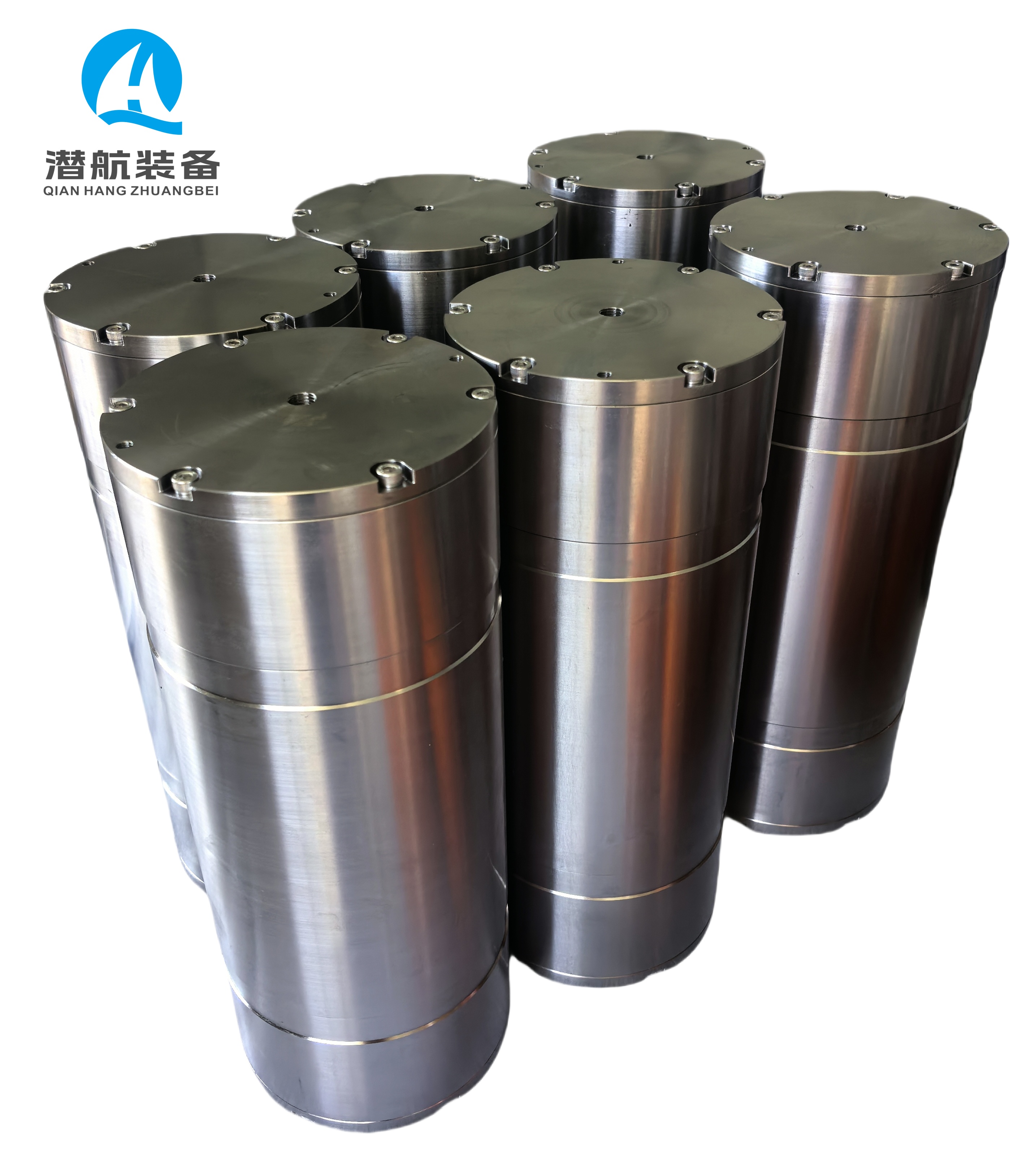
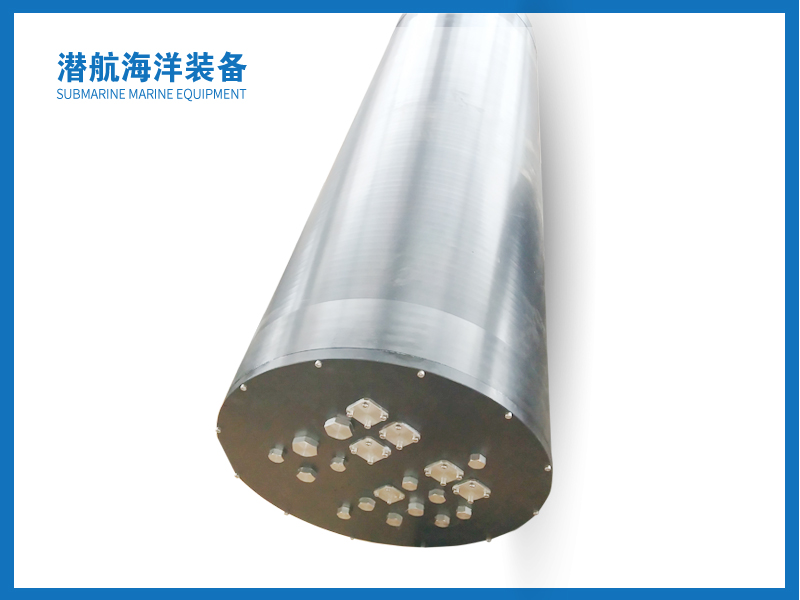
Anyang Submarine Marine Equipment Manufacturing Co., Ltd. Pressure Cabin Processing Factory. The pressure cabin is the core pressure bearing structural component of deep-sea submersibles, mainly used to protect the safety of internal precision instruments and personnel, and solve structural integrity problems in extreme high-pressure environments. This type of pressure vessel is typically used in deep-sea operations at depths of 2000 to 10000 meters and can withstand enormous static pressure from seawater. According to different materials, titanium alloy pressure chambers have become the preferred choice for deep-sea diving at the 10000 meter level due to their extremely high specific strength and corrosion resistance; Aluminum alloy pressure chambers are widely used in medium depth submersibles due to their cost advantages and ease of processing. Both are essential components of deep-sea exploration equipment, ensuring no plastic deformation or fatigue failure under long-term high load operation through precise structural design.
In terms of specifications and dimensions, titanium alloy pressure chambers and aluminum alloy pressure chambers support fully customized production to adapt to the internal space layout of different models of submersibles. The manufacturing process covers high-precision machining processes such as turning, milling, and drilling, ensuring that the geometric accuracy and surface quality of the cabin meet strict standards. Titanium alloy materials are usually selected with high-strength grades such as TC4, while aluminum alloys are mostly made of 7075 or 6061 series high-strength aluminum materials. The product follows strict non-destructive testing standards, including ultrasonic testing and X-ray testing, to eliminate internal defects. Pressure tests are usually conducted in vessels that simulate deep-sea pressure to verify their sealing and structural stability at rated operating depths, ensuring that each factory pressure chamber has reliable safety redundancy.
When selecting, it is necessary to distinguish the application scenarios of titanium alloy pressure chambers and aluminum alloy pressure chambers based on the actual depth of operation and load requirements. If the depth of the operation exceeds 6000 meters or there is an extreme requirement for weight, titanium alloy pressure chambers are more suitable due to their excellent strength to weight ratio and seawater corrosion resistance, although their material cost and processing difficulty are higher. For routine scientific or industrial operations at depths of 2000 to 4000 meters, aluminum alloy pressure chambers provide a more cost-effective solution and are easy to carry out subsequent structural modifications and maintenance. It should be noted that aluminum alloys require comprehensive anti-corrosion coatings or cathodic protection measures during long-term seawater immersion, while titanium alloys naturally have the characteristic of immunity to seawater corrosion. The purchaser should clarify specific depth indicators to avoid cost waste caused by excessive design or safety hazards caused by improper material selection.
When installing titanium alloy pressure chambers or aluminum alloy pressure chambers, it is necessary to strictly control the flatness of the flange connection surface and the compression of the sealing ring to ensure water tightness. In daily maintenance, the surface of the cabin should be regularly inspected for scratches, cracks, or corrosion spots, especially for aluminum alloy pressure resistant cabins, which require special attention to the integrity of the anti-corrosion coating. After each diving operation, it is recommended to rinse with clean water and store it dry to prevent salt residue from accelerating corrosion. Common faults are mostly concentrated in seal failure or observation window rupture, and a strict pre use pressure testing process needs to be established. For pressure vessels that have been in long-term service, regular fatigue life assessments should be conducted to determine whether retirement replacement or refurbishment is necessary based on the cumulative number of dives and maximum working pressure records, in order to ensure the safe and continuous operation of deep-sea operations.
Titanium alloy pressure chamber (Figure 1)
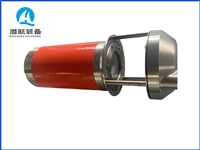
Aluminum alloy pressure chamber (Figure 2)
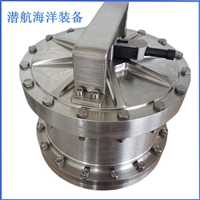
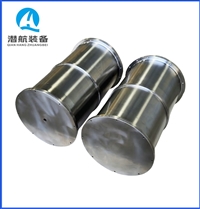
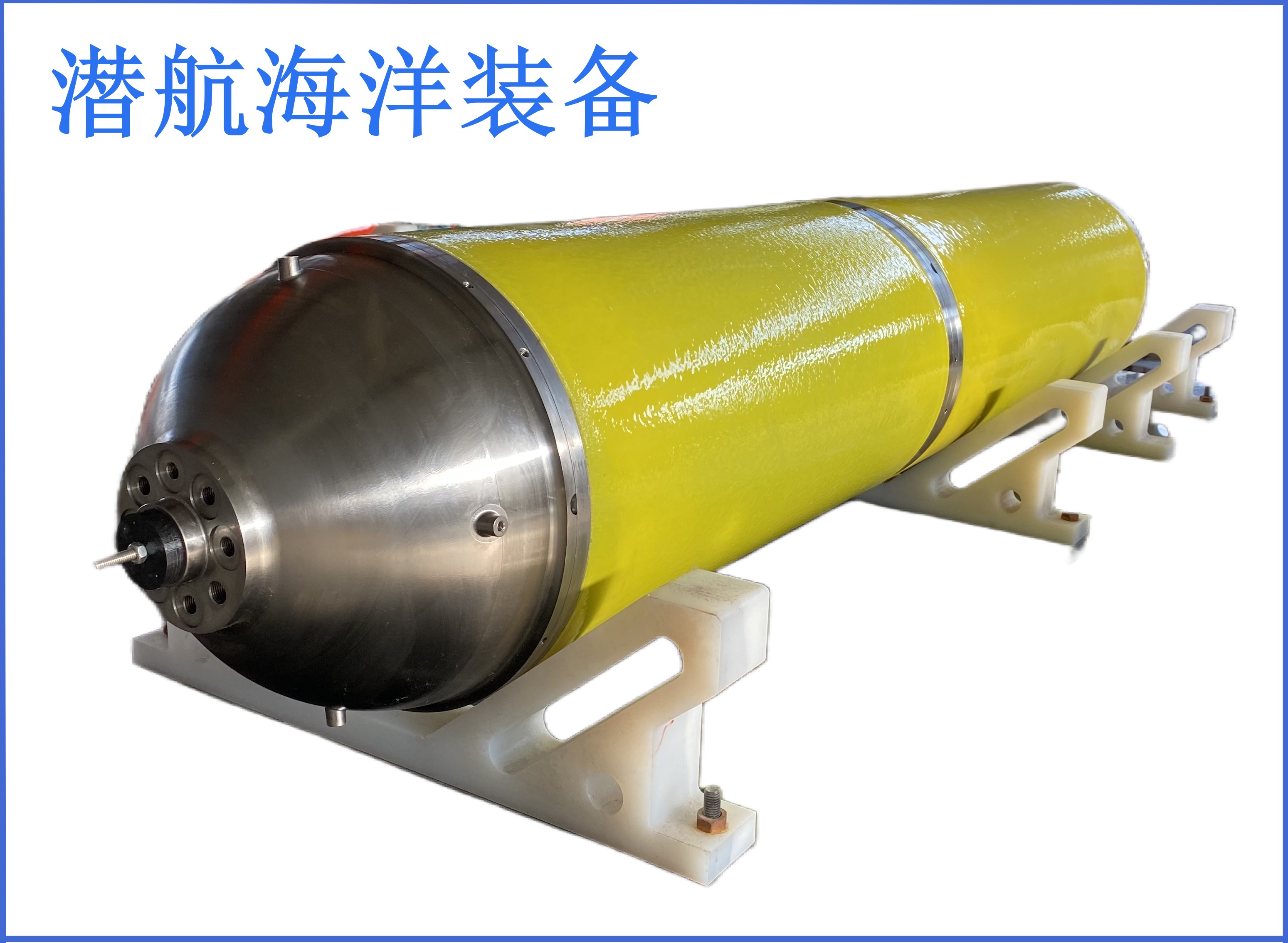
Carbon fiber pressure chamber (Figure 3)
AfterSalesService :
24小时服务热线:18738285692Key words:
More Products