
Liquid nitrile rubber plasticizer, oil resistant and high temperature resistant, suitable for PVC and rubber modification
Category:
Rubber and plastic/synthetic rubber/Nitrile rubber
Model:
5000 molecular weight to 100000 molecular weight
Brand:
Nabaichuan
Acrylonitrile content:
18%-50%
Appearance:
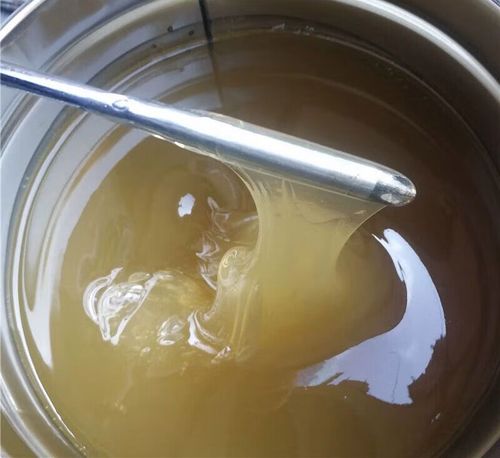
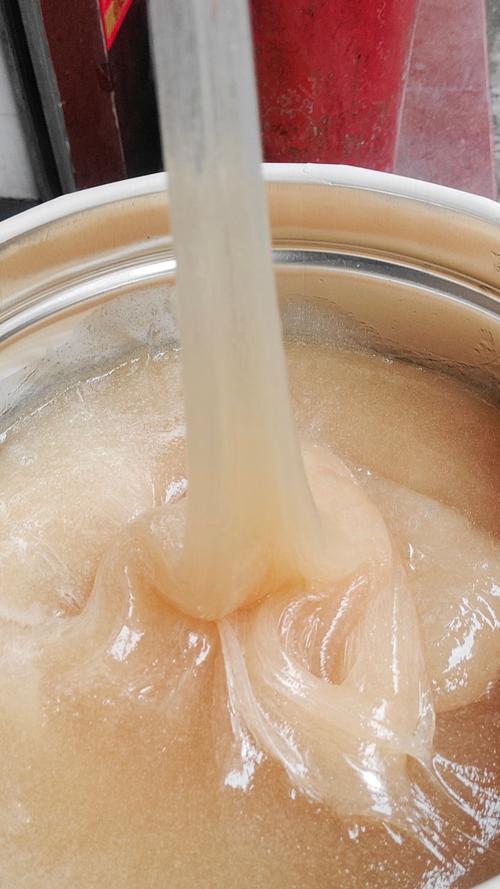
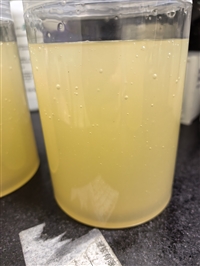
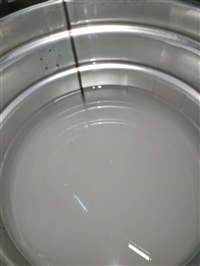
Light yellow transparent viscous liquid
density:
0.9-1.0 g/cm³
Mooney viscosity:
20-80 ML(1+4) 100℃
volatile matter:
≤1.0%
acid value:
≤1.0 mgKOH/g
Packaging Specifications:
25kg/barrel or 200kg/barrel
Storage conditions:
Store in a cool and dry place with a sealed seal
Retail Price
10,000,000.00USD
重量
kg
- Product Description
-
Acrylonitrile content 18%-50%
Appearance Light yellow transparent viscous liquid
density 0.9-1.0 g/cm³
Mooney viscosity 20-80 ML(1+4) 100℃
volatile matter ≤1.0%
acid value ≤1.0 mgKOH/g
Packaging Specifications 25kg/barrel or 200kg/barrel
Storage conditions Store in a cool and dry place with a sealed seal
Description :
Liquid nitrile rubber is a low molecular weight liquid polymer primarily used as a plasticizer, modifier, or adhesive. It solves the problems of difficult processing and poor compatibility of traditional solid rubber, and can significantly improve the flexibility, oil resistance, and cold resistance of the matrix material. Typical working conditions include plasticizing modification of PVC products, formulation optimization of rubber seals, and preparation of adhesive base materials. This product is a viscous liquid at room temperature, easy to measure and mix, and can effectively reduce processing viscosity and improve production efficiency. It is an important additive in the field of industrial rubber and plastic modification.
The core specification parameters of liquid nitrile rubber include acrylonitrile content, Mooney viscosity, density, and volatility. The common range of acrylonitrile content is between 18% and 50%, and different contents determine its compatibility with polar or non-polar substrates and the oil resistance of the final product. Execution standards usually refer to enterprise standards or relevant industry norms, such as HG/T series standards. The product appearance should be a light yellow to amber transparent viscous liquid without mechanical impurities. The density is usually around 0.9-1.0g/cm ³, and the specific value fluctuates with the acrylonitrile content. When storing, it should be sealed and placed in a cool and dry place, avoiding high temperatures and direct sunlight to ensure chemical stability.
When selecting liquid nitrile rubber, the acrylonitrile content should be determined based on the substrate type and performance requirements. Models with high acrylonitrile content have better oil resistance and are suitable for sealing components that come into contact with fuel and lubricants; Low acrylonitrile content models have wider compatibility and are suitable for plasticizing PVC soft products. If used for adhesives, attention should be paid to the influence of its molecular weight distribution on the initial adhesion and holding strength. Not suitable for transparent products with extremely high color requirements, as this product comes with a light yellow color. Compared with solid nitrile rubber, liquid nitrile rubber does not require plasticizing and is more evenly dispersed, but its contribution to tensile strength is lower, and it often needs to be used in combination with other reinforcing agents.
When using liquid nitrile rubber, it is recommended to first determine the optimal addition amount in small-scale experiments, usually 5% -20% of the weight of the matrix resin. When mixing, it is necessary to ensure uniform stirring, and if necessary, heating can be used to reduce viscosity and promote dispersion. Long term storage may result in slight delamination or viscosity changes, and should be thoroughly stirred before use. Common faults include precipitation caused by poor compatibility, which is usually due to improper selection or uneven mixing. The focus of daily maintenance is to control the temperature and humidity of the storage environment to prevent moisture from entering and causing hydrolysis or deterioration. After opening, it should be used up as soon as possible, and the remaining part should be strictly sealed and stored.
AfterSalesService :
Key words:
More Products