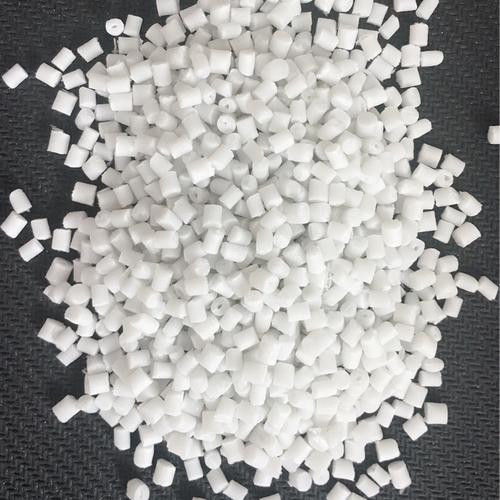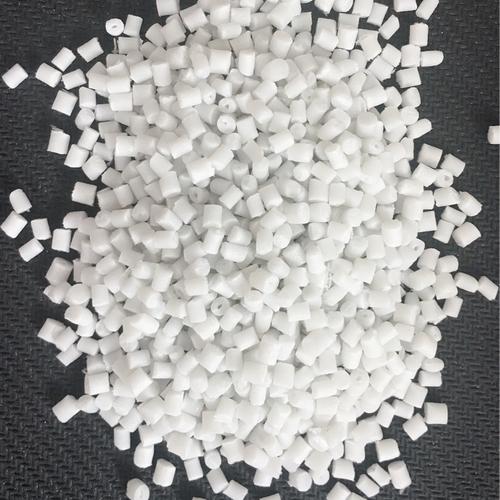

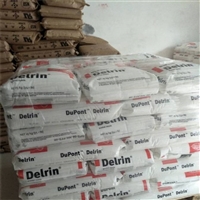
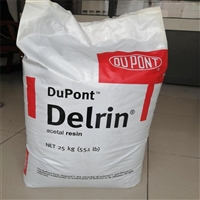
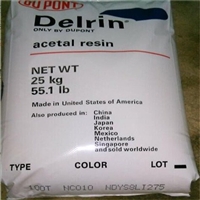
Ceranis 500P high viscosity homopolymer POM raw material, wear-resistant and high-strength engineering plastic particles
Category:
Rubber and plastic/engineering plastic/POM
Model:
500P
Brand:
Celanese
Melt flow rate:
9.0 g/10min (190℃/2.16kg)
density:
1.42 g/cm³
tensile strength:
66 MPa
flexural modulus:
3100 MPa
water absorption rate:
0.25% (24hr, 50%RH)
Molding shrinkage rate:
1.8% - 2.5%
Heat Deflection Temperature:
172℃ (1.8MPa)
Flame retardant rating:
HB
Retail Price
10,000,000.00USD
重量
kg
- Product Description
-
Melt flow rate 9.0 g/10min (190℃/2.16kg)
density 1.42 g/cm³
tensile strength 66 MPa
flexural modulus 3100 MPa
water absorption rate 0.25% (24hr, 50%RH)
Molding shrinkage rate 1.8% - 2.5%
Heat Deflection Temperature 172℃ (1.8MPa)
Flame retardant rating HB
Description :
POM 500P is a high viscosity, universal grade homopolymer formaldehyde resin produced by Celanese. As a high-performance engineering plastic, it is designed specifically for applications that require high mechanical strength, rigidity, and dimensional stability. This material solves the demand for lightweight, corrosion resistance, and low friction coefficient in the process of metal substitution, and is widely used in the manufacturing of precision mechanical parts. Its typical melt flow rate is low, indicating a high molecular weight, which endows the product with excellent creep resistance and stability under long-term load, suitable for maintaining physical properties over a wide temperature range.
The POM 500P raw material meets multiple international industrial standards, has a typical semi crystalline structure, and appears as natural or black particles. Its density is about 1.42 g/cm ³, with a tensile strength of 60-70 MPa and a bending modulus of over 3000 MPa, demonstrating excellent rigidity. The material has good chemical resistance and can resist most organic solvents, fuels, and weak acids, but should be used with caution in environments with strong acids or oxidants. The execution standards usually refer to ASTM D638 and ISO 527 testing specifications to ensure consistency of performance between batches, suitable for injection molding processing, with a shrinkage rate controlled between 1.8% and 2.5%, facilitating mold design and size control.
When selecting, POM 500P is an ideal choice for applications involving high load gears, bearings, camshafts, or structural components that require excellent surface hardness. Compared with co polymerized POM, homopolymer POM 500P has higher crystallinity and melting point, resulting in better short-term heat resistance in high-temperature environments. However, its long-term thermal aging stability is slightly inferior to that of copolymers. If the working conditions involve long-term exposure to high-temperature water or alkaline environments, it is recommended to evaluate whether it is necessary to switch to models with hydrolysis resistance. For dynamic components that require extremely high wear resistance and low friction coefficient, this model can exhibit good self-lubricating characteristics without the need for lubricants, simplifying formula design.
Before processing POM 500P, sufficient drying is required. It is recommended to dry at 80-90 ℃ for 2-4 hours, with a moisture content controlled below 0.1% to avoid molding defects. The injection molding temperature is usually set at 190-210 ℃, and the mold temperature is maintained at 60-100 ℃ to optimize crystallinity and surface smoothness. During daily maintenance, it is important to avoid direct contact with strong acids and store in a cool and dry place to prevent moisture absorption from affecting processing performance. Common faults such as silver lines on the surface of products are often caused by insufficient drying, and dimensional deviations may be related to improper cooling time or holding pressure settings. Process parameters need to be adjusted according to the actual mold situation.
AfterSalesService :
Key words:
More Products