
PVC toughening agent improves brittleness and enhances impact resistance, suitable for hard and soft plastic products
Category:
Rubber and plastic/Plastic additives/Toughening and reinforcing agent
Model:
NY501
Brand:
Nabaichuan
Appearance:
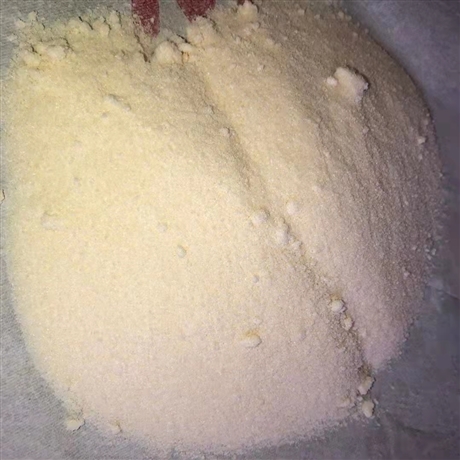
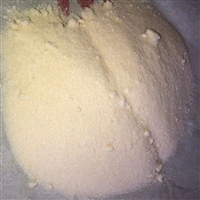
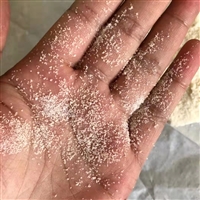
white powder
volatile matter:
≤0.5%
Add ratio:
3-8%
Applicable Material:
Hard/Soft PVC
Environmental Standards:
RoHS/REACH
Packaging Specifications:
25 kg/bag
Storage conditions:
cool and dry place
Retail Price
10,000,000.00USD
重量
kg
- Product Description
-
Appearance white powder
volatile matter ≤0.5%
Add ratio 3-8%
Applicable Material Hard/Soft PVC
Environmental Standards RoHS/REACH
Packaging Specifications 25 kg/bag
Storage conditions cool and dry place
Description :
PVC toughening agent is a polymer additive specifically used for modifying polyvinyl chloride (PVC) materials, mainly to solve the problems of PVC products being prone to brittleness and insufficient toughness at low temperatures or under external impact. By physical blending or chemical grafting, this additive can significantly absorb impact energy, improve the material's elongation at break and impact strength, while maintaining good processing flowability. It is widely used in the production of hard PVC pipes, profiles, sheets, as well as soft PVC films, cable sheaths, and other products. It is a key additive to improve the durability and qualification rate of PVC products, especially suitable for industrial and civilian plastic product working conditions that require high toughness.
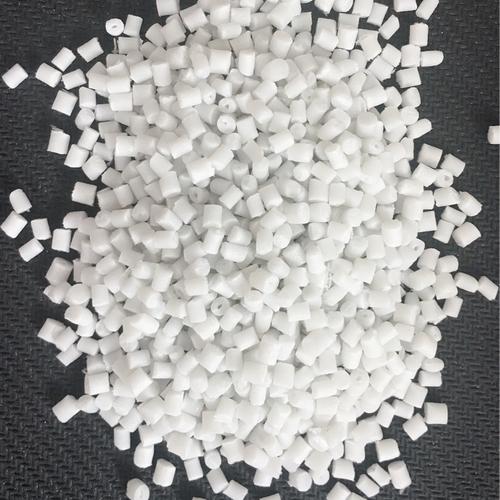
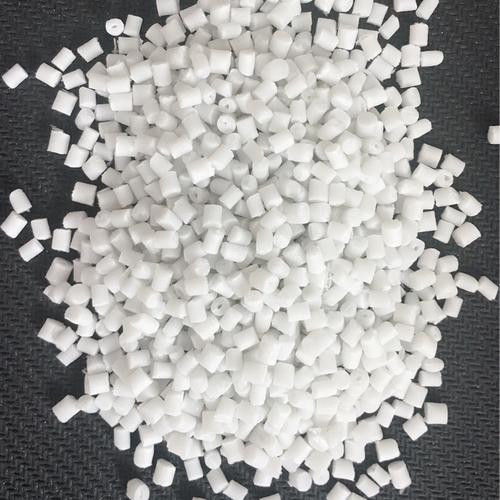
PVC toughening agents are usually in the form of white powder or transparent particles, depending on the type of carrier resin. The common density range is between 0.9-1.2g/cm ³. Its core indicators include melt flow rate (MFR), ash content, and volatile matter, generally requiring volatile matter to be less than 0.5% to ensure processing stability. This product complies with environmental certification standards such as RoHS and REACH, is non-toxic and odorless, and does not undergo harmful chemical reactions with PVC substrates. In terms of process, it has good compatibility with PVC resin, is evenly dispersed, and is not easily precipitated. The execution standards often refer to enterprise standards or industry general specifications, such as HG/T series plastic additive standards, to ensure stable quality between batches and meet the temperature and shear requirements of various processing technologies such as injection molding, extrusion, blow molding, etc.
When selecting PVC toughening agents, it is necessary to distinguish between hard and soft PVC application scenarios. It is recommended to use acrylic acid ester (ACR) or chlorinated polyethylene (CPE) based toughening agents for hard PVC (such as pipes and profiles), with a focus on balancing rigidity and toughness; Soft PVC (such as film, shoe soles) can be made of elastomers or special copolymers, with a focus on low-temperature flexibility. If the product requires high transparency, toughening agents with a large difference in refractive index from PVC should be avoided to prevent an increase in haze. Unlike ordinary filler masterbatch, PVC toughening agents do not aim to reduce costs, but focus on improving performance. When purchasing, attention should be paid to the addition ratio, usually between 3-8 portions. Excess may lead to a decrease in strength or cost redundancy, and the optimal ratio should be determined through small-scale testing based on the specific formula.
The use of PVC toughening agents requires attention to storage and maintenance, and should be stored in a cool, dry, and ventilated place to avoid moisture and clumping that may affect the dispersion effect. During the production process, it is recommended to pre mix with PVC resin and other additives before putting them into the extruder or injection molding machine to ensure uniform dispersion. The typical usage cycle depends on the production plan, and it is recommended to use it up as soon as possible after opening. Common faults include the appearance of crystal dots or stripes on the surface of the product, which are usually caused by poor dispersion or moisture, and can be solved by increasing the mixing temperature or extending the mixing time. If it is found that the impact strength does not meet expectations, it is necessary to check whether the toughening agent has failed or the amount added is insufficient. If necessary, adjust the processing temperature curve to optimize the plasticizing effect. Regularly clean the screw and mold head to prevent residue degradation from affecting product quality.
AfterSalesService :
Key words:
More Products