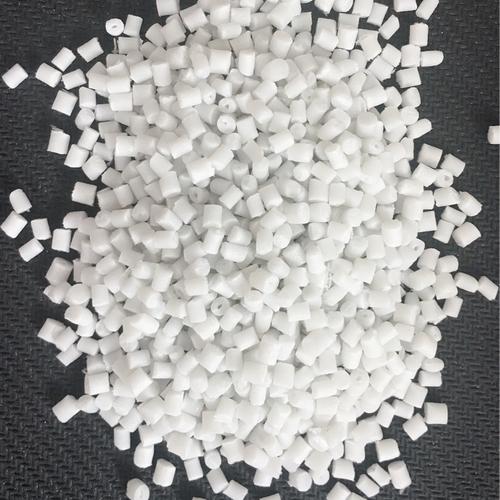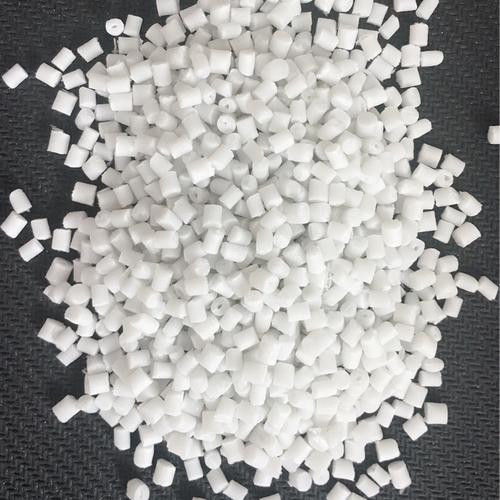

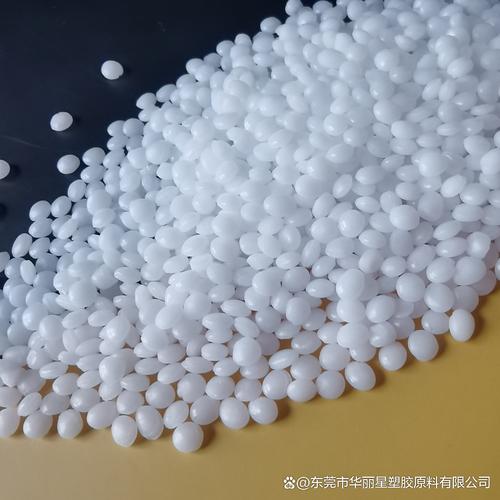
Ceranis POM plastic pellets 100P/500P high rigidity wear-resistant engineering plastic raw material
Category:
Rubber and plastic/engineering plastic/POM
Model:
100P/500P
Brand:
Celanese
Material:
POM homopolymer
brand:
Celanese
model:
100P/500P
density:
1.42 g/cm³
Melt Flow Index:
9.0 g/10min (typical value)
water absorption rate:
0.2% (24h)
tensile strength:
69 MPa
flexural modulus:
2800 MPa
Flame retardant rating:
UL94 HB
Processing method:
Injection molding
Retail Price
10,000,000.00USD
重量
kg
- Product Description
-
Material POM homopolymer
brand Celanese
model 100P/500P
density 1.42 g/cm³
Melt Flow Index 9.0 g/10min (typical value)
water absorption rate 0.2% (24h)
tensile strength 69 MPa
flexural modulus 2800 MPa
Flame retardant rating UL94 HB
Processing method Injection molding
Description :
POM polyoxymethylene is a highly crystalline thermoplastic engineering plastic with excellent mechanical strength and rigidity. The Seranis 100P and 500P models belong to homopolymer POM, designed specifically for application scenarios that require high hardness, low friction coefficient, and high dimensional stability. This type of material can effectively solve the problem of insufficient strength of metal components in the process of lightweight replacement, and is widely used in the manufacturing of precision gears, bearings, camshafts, and various structural components. It is an indispensable basic raw material in the automotive industry, electronic and electrical equipment, and mechanical equipment fields.
Ceranis POM 100P and 500P exhibit excellent physical properties, typically possessing high tensile strength and bending modulus. Its density is about 1.42g/cm ³, and its water absorption rate is extremely low, ensuring dimensional stability in humid environments. The material meets the UL94 HB flame retardant rating, with a melting point typically around 175 ℃ and a wide processing temperature range. The implementation standards cover ISO and ASTM related specifications, and some grades can pass FDA food grade certification or comply with the RoHS environmental directive. Specific requirements need to refer to the batch's factory inspection report to ensure compliance.
In terms of selection, 100P is usually a general-purpose homopolymer POM, suitable for most conventional injection molding, with good fluidity and surface glossiness; 500P may be adjusted in viscosity or specific modifications, making it suitable for complex structural components with higher requirements for toughness or processing stability. If the working conditions involve strong acids and alkalis or long-term high-temperature boiling, it is recommended to evaluate co polymerized POM or other materials with better chemical resistance. For dynamic load components that require extremely high rigidity and wear resistance, the Ceranis homopolymer POM series is an ideal choice over ordinary nylon.
Before processing, POM raw materials need to be thoroughly dried. It is recommended to dry at 80-90 ℃ for 2-4 hours to prevent hydrolysis from causing molecular chain breakage. During injection molding, it is important to control the mold temperature between 80-120 ℃ and the injection pressure appropriately to avoid excessive shear heat that can cause material decomposition and produce formaldehyde gas. In daily maintenance, attention should be paid to the creep condition of the product under long-term load, and the fitting clearance should be checked regularly. When storing, it should be sealed and moisture-proof, placed in a cool and dry place, and avoid direct sunlight to maintain the long-term stability of material properties.
AfterSalesService :
Key words:
More Products