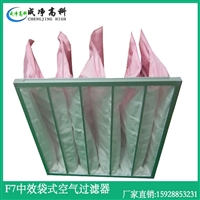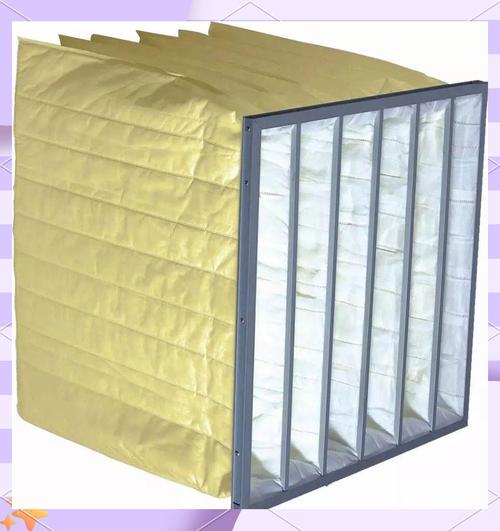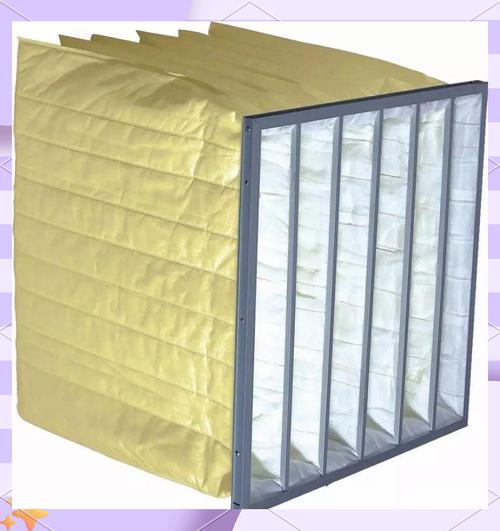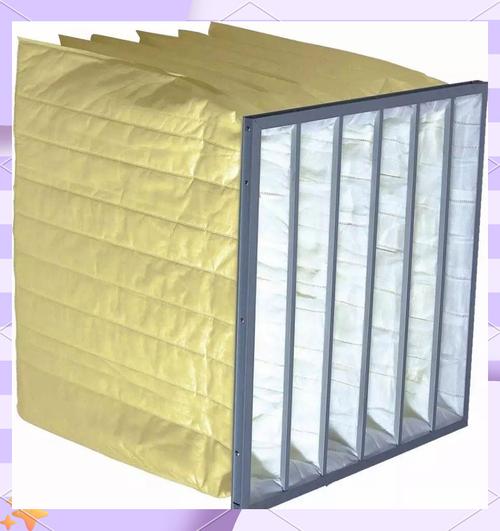
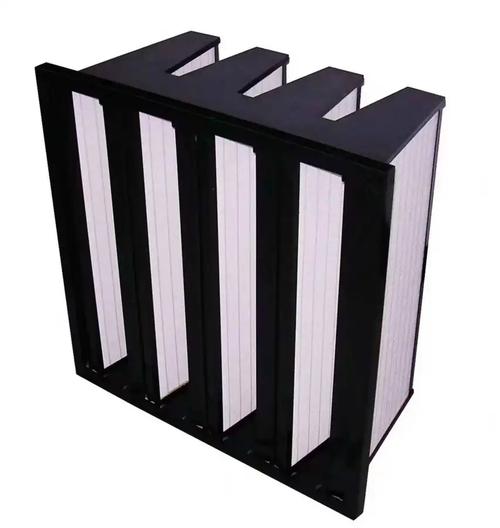

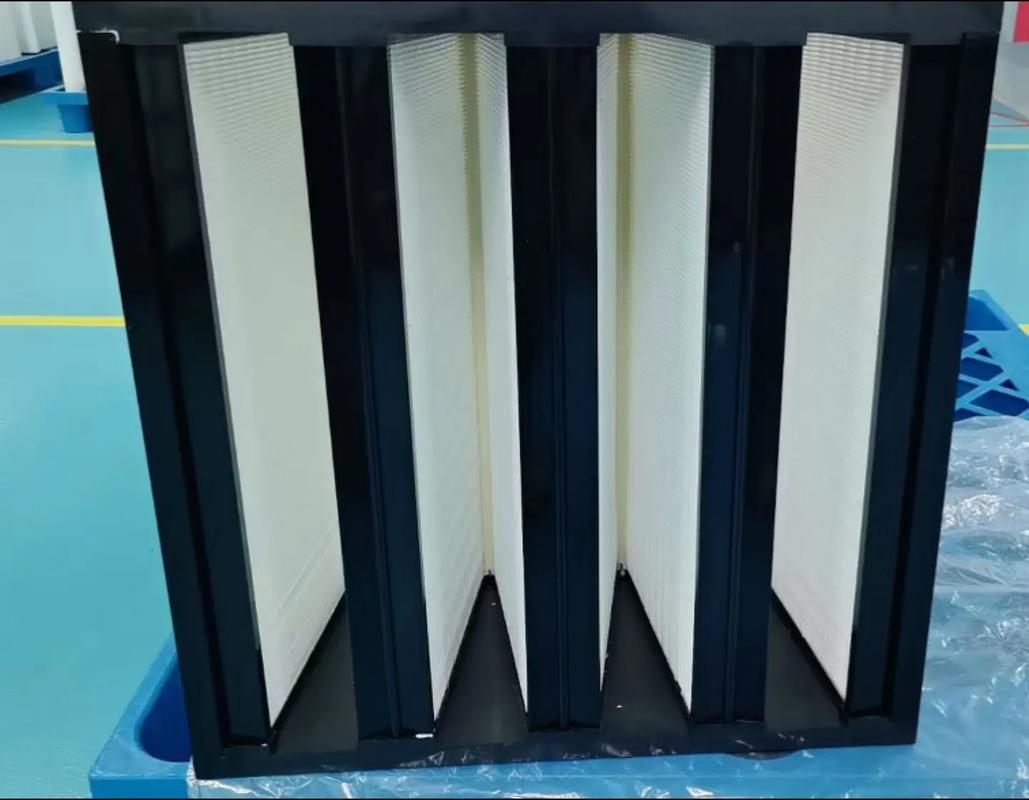
Sichuan Chengdu W-type H10 sub high efficiency filter, Sichuan Chengdu plastic frame H10 sub high efficiency filter, Sichuan Chengdu high wind capacity sub high efficiency filter
Category:
Environmental Protection/Filtering equipment/air filter
Model:
W-type H10
Brand:
Chengjing High Tech
Filter efficiency level:
H10 (EN 779)
structural type:
W-shaped high air volume
Outer frame material:
ABS plastic/galvanized steel sheet
filter material :
Ultra fine glass fiber/PP synthetic fiber
Initial resistance:
≤ 120Pa (@ rated air volume)
Recommended air volume:
2000-3500 m³/h
Temperature resistance performance:
≤80℃
Moisture resistance:
≤100% RH
Retail Price
10,000,000.00USD
重量
kg
- Product Description
-
Filter efficiency level H10 (EN 779)
structural type W-shaped high air volume
Outer frame material ABS plastic/galvanized steel sheet
filter material Ultra fine glass fiber/PP synthetic fiber
Initial resistance ≤ 120Pa (@ rated air volume)
Recommended air volume 2000-3500 m³/h
Temperature resistance performance ≤80℃
Moisture resistance ≤100% RH
Description :
The W-type H10 sub high efficiency filter is an intermediate filtration device designed specifically for high air volume air purification scenarios, mainly solving the balance problem between particle removal efficiency and operating resistance in central air conditioning systems and industrial ventilation. Typical operating conditions for this category include commercial complexes, pre filtration in hospital operating rooms, pre filtration in electronic factory cleanrooms, and other environments with moderate requirements for air cleanliness. As a core component of the sub high efficiency level, its filtration efficiency can reach over 95% (H10 level) for 0.5 μ m particles, effectively intercepting dust, pollen, and some microorganisms, protecting the backend high-efficiency filter and extending its service life. It is a key node in the purification system that connects the previous and the next.
The products in this specification section usually use sturdy ABS plastic frames or galvanized steel plate frames, and the internal filter materials are mostly ultra-fine glass fiber paper or PP synthetic fibers, which are fixed inside the frame by hot melt glue or sealant. The W-shaped structural design significantly increases the effective filtration area, thereby achieving high air volume processing while maintaining low initial resistance (usually ≤ 120Pa). The implementation standards refer to GB/T 14295-2019 "Air Filters" and EN 779/ISO 16890 related classification standards. Common size specifications include modular sizes such as 592 × 592 × 292mm and 592 × 592 × 492mm, which are convenient for on-site installation and replacement. Some models are equipped with metal mesh to enhance the impact resistance of the filter material, ensuring that the filter material is not damaged or deformed under high wind speeds.
When selecting, it is necessary to clearly distinguish the application scenarios of H10 sub high efficiency filters and H13/H14 high efficiency filters. The former is suitable for pre filtration or main filtration processes that do not require extreme cleanliness, while the latter is used for final filtration. If the system has limited wind pressure or requires a large air volume (such as 3000m ³/h or more), the W-shaped structure is superior to the flat plate structure because it has a larger dust holding capacity and a longer replacement cycle. Not applicable scenarios include high-temperature and high humidity environments without pre-treatment, pipelines containing oily mist or corrosive gases, which require the use of special material filter media. The purchaser should pay attention to the matching between the initial resistance and the rated air volume, in order to avoid "small horses pulling large trucks" that may lead to a surge in energy consumption or a decrease in filtration efficiency.
During the installation process, it is necessary to ensure that the airflow direction is consistent with the arrow marked on the filter. Sealing gaskets should be used at the connection between the frame and the ceiling or air duct to prevent air leakage, otherwise it will significantly reduce the overall system efficiency. The typical usage cycle is 3-6 months, depending on the environmental dust concentration and the effectiveness of the front-end pre filtration. It is recommended to regularly check for changes in resistance during daily maintenance. When the initial resistance reaches the final resistance (usually twice the initial resistance), it should be replaced immediately. Do not attempt to clean or regenerate to avoid damaging the fiber structure of the filter material and causing efficiency failure. Common faults include inadequate sealing caused by frame deformation, moisture and mold on filter materials, etc. It is necessary to check whether the condensation water discharge of the air conditioning system and the rainproof measures at the fresh air inlet are in place.
AfterSalesService :
Key words:
More Products