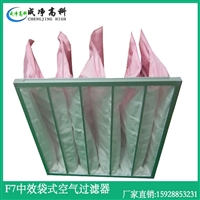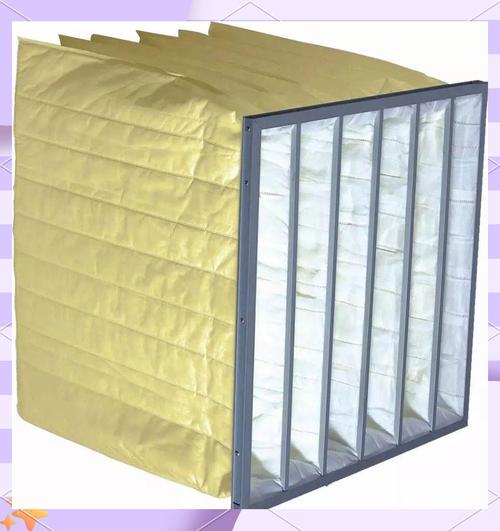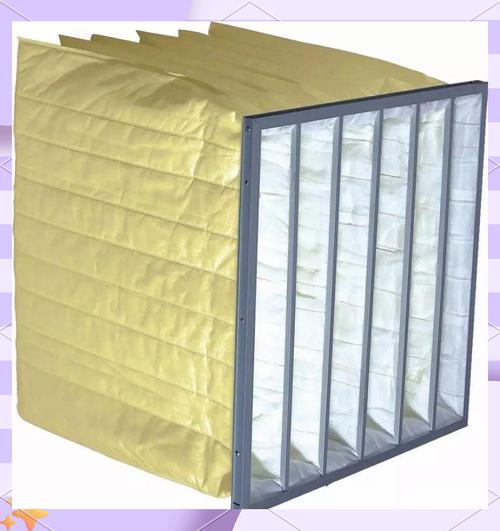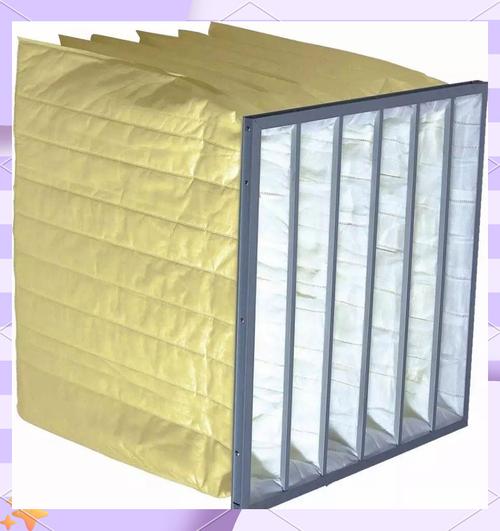
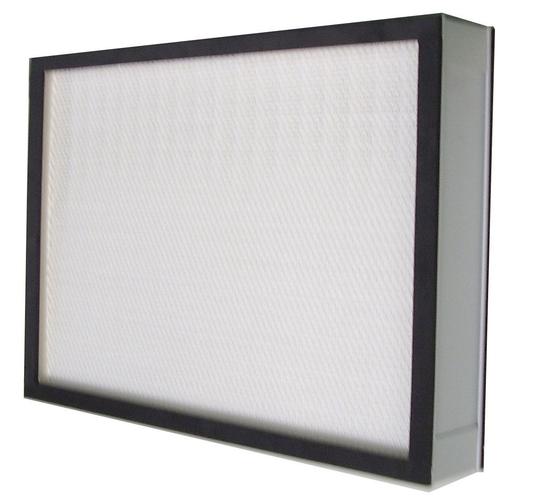

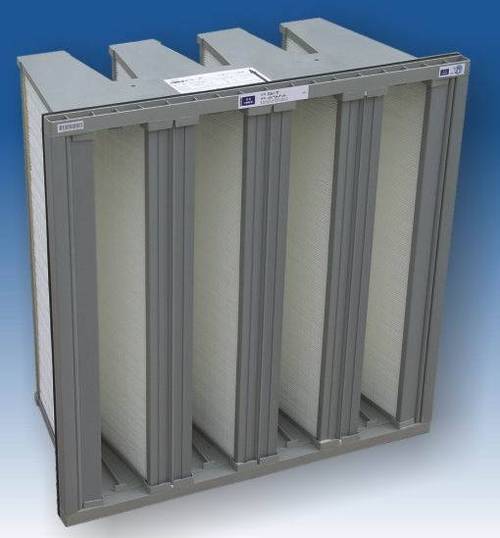
H13/H14 grade hundred level high-efficiency filter mesh clean room end HEPA filter
Category:
Environmental Protection/Filter material/Filter screen
Model:
H13/H14
Brand:
Chengjing High Tech
filtration efficiency:
H13: ≥99.99%@0.3μm; H14: ≥99.995%@0.3μm
filter material :
Ultra fine glass fiber filter paper
Outer frame material:
Aluminum alloy/galvanized steel sheet/stainless steel
field delimiter :
Hot melt adhesive/aluminum foil separation
Initial resistance:
≤ 220Pa (@ rated air volume)
Suggested final resistance:
≤450Pa
heat resistance:
≤80℃
Humidity resistance:
≤100%RH
Execution Standard:
GB/T 13554-2020
Retail Price
10,000,000.00USD
重量
kg
- Product Description
-
filtration efficiency H13: ≥99.99%@0.3μm; H14: ≥99.995%@0.3μm
filter material Ultra fine glass fiber filter paper
Outer frame material Aluminum alloy/galvanized steel sheet/stainless steel
field delimiter Hot melt adhesive/aluminum foil separation
Initial resistance ≤ 220Pa (@ rated air volume)
Suggested final resistance ≤450Pa
heat resistance ≤80℃
Humidity resistance ≤100%RH
Execution Standard GB/T 13554-2020
Description :
Efficient filter is the core end filter element in air purification systems, mainly used to capture tiny particles of 0.3 microns and above, such as dust, bacteria, virus aerosols, etc. This product is designed for cleanroom environments ranging from Class 100 to Class 10000, solving the problem of air particulate pollution under high cleanliness conditions. Typical applications include industries with strict air quality requirements such as electronic semiconductors, biomedicine, and precision instrument manufacturing. As the last line of defense for HVAC systems, high-efficiency filters directly determine the indoor cleanliness level, ensuring the sterile and dust-free state of the production environment and meeting the control requirements of GMP and ISO cleanliness standards for suspended particles.
This high-efficiency filter uses ultra-fine glass fiber filter paper as the filtering medium, combined with hot melt adhesive or sealant for folding and separation, ensuring uniform airflow and stable resistance. The frame is usually made of aluminum alloy, galvanized steel plate or stainless steel material, which has good structural strength and corrosion resistance. The implementation standards refer to GB/T 13554-2020 "High Efficiency Air Filters" and EN 1822 international standards. H13 level has a filtration efficiency of ≥ 99.99% for 0.3 μ m particles, and H14 level has a filtration efficiency of ≥ 99.995%. The initial resistance is usually between 200-250Pa, and it operates stably at rated air volume. Each unit undergoes individual scanning or leak testing before leaving the factory to ensure no leakage points, excellent sealing performance, and adaptability to long-term continuous operation conditions.
When selecting a cleanroom, it is necessary to clarify the requirements for the cleanroom level. It is usually recommended to use H14 high-efficiency filter screens for Class 100 cleanrooms, and H13 level filters can be used for Class 1000 to Class 10000 cleanrooms. Attention should be paid to the installation space dimensions. Common specifications include 610 × 610 × 150mm, 1220 × 610 × 150mm, etc., which should be matched with the static pressure box or air supply outlet. If the environmental humidity is high or there is a risk of chemical corrosion, moisture-proof filter paper and anti-corrosion frame material should be selected. Compared with ordinary medium efficiency filters, high-efficiency filters have higher resistance and require a fan system with corresponding air pressure. Not suitable for front-end pre-treatment scenarios with oil mist and high concentration dust. Such working conditions require pre filtering to extend the service life and avoid rapid clogging of filter holes, which can lead to a surge in energy consumption.
The installation of high-efficiency filters should be carried out inside a clean room. Before installation, the air duct system should be thoroughly purged and cleaned to prevent secondary pollution. During installation, handle with care and do not touch the surface of the filter paper with your hands. Ensure that the sealing cushion layer between the frame and the frame is compressed evenly and there are no leakage gaps. Daily maintenance mainly relies on differential pressure monitoring, and replacement is required when the final resistance reaches 1.5-2 times the initial resistance. The general usage cycle is 1-3 years, depending on the front-end pre filtering effect and running time. Common faults include local leakage leading to inadequate cleanliness, which can be detected and located using a photometric scattering particle counter. The replaced waste filter should be disposed of according to industrial solid waste standards and should not be discarded at will to avoid environmental pollution.
AfterSalesService :
Key words:
More Products