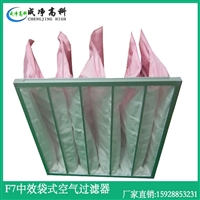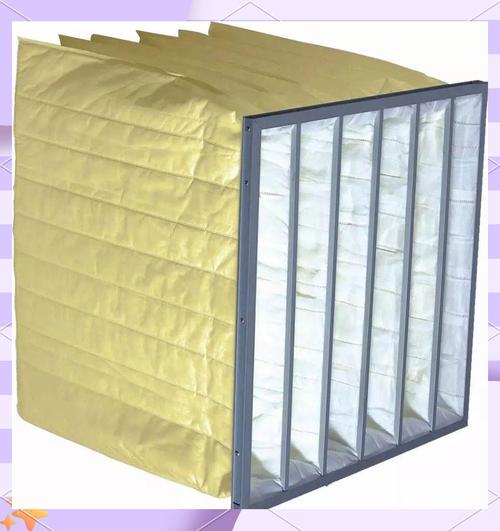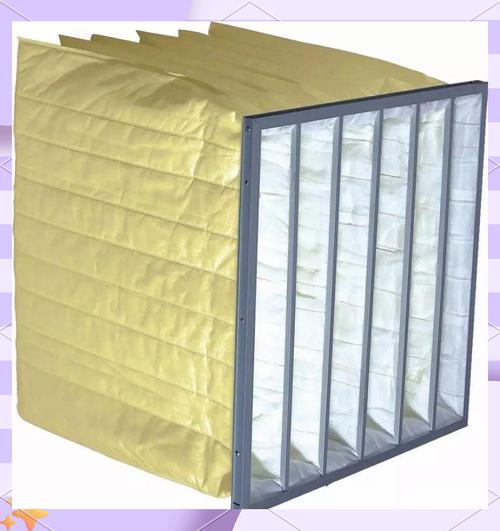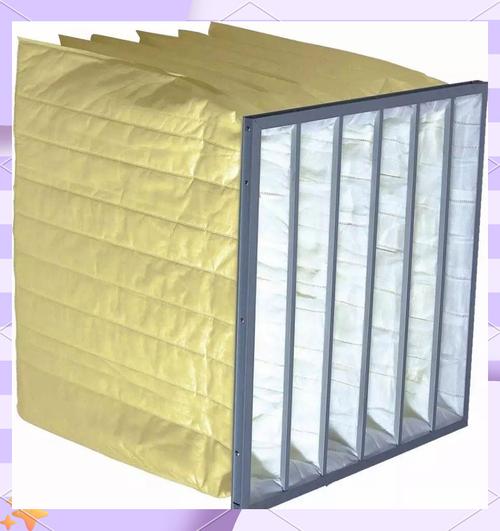
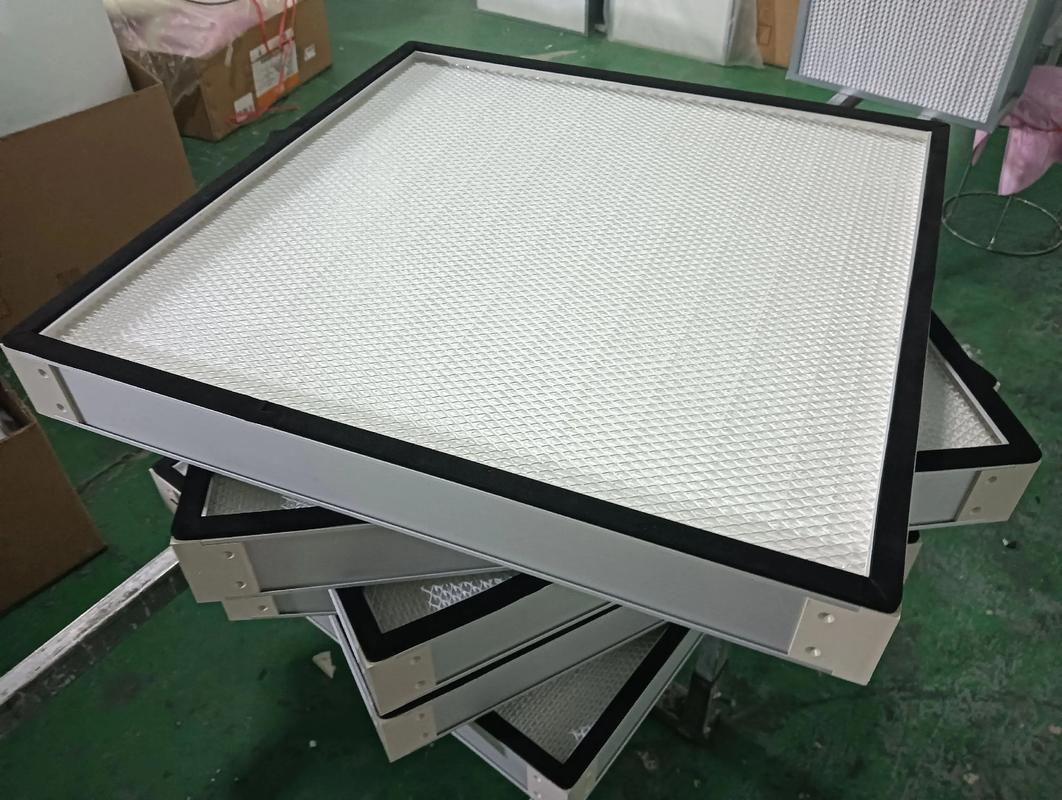

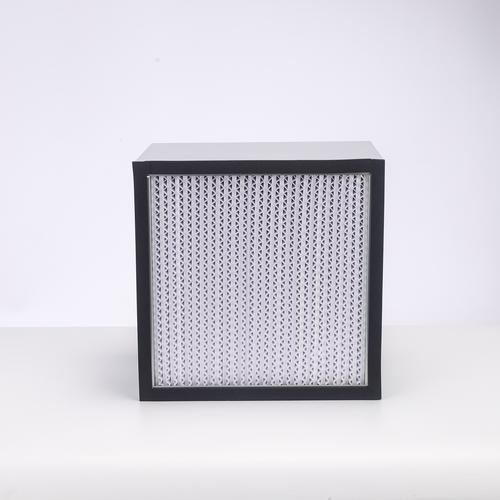
Guizhou Guiyang High Efficiency Filter Guizhou Guiyang Ultra fine Fiberglass High Efficiency Filter Guizhou Guiyang H13H14 Hundred level High Efficiency Filter
Category:
Environmental Protection/Filtering equipment/air filter
Model:
CD5
Brand:
Chengjing High Tech
filtration efficiency:
H13 (99.95%@0.3μm)
filter material :
Ultra fine glass fiber
Outer frame material:
Aluminum alloy/galvanized sheet
Sealing method:
Polyurethane seal/liquid tank seal
Operating temperature:
≤80℃
Operating Humidity:
≤80% RH
Initial resistance:
≤220 Pa
Suggested wind speed:
0.45 m/s ±20%
Retail Price
10,000,000.00USD
重量
kg
- Product Description
-
filtration efficiency H13 (99.95%@0.3μm)
filter material Ultra fine glass fiber
Outer frame material Aluminum alloy/galvanized sheet
Sealing method Polyurethane seal/liquid tank seal
Operating temperature ≤80℃
Operating Humidity ≤80% RH
Initial resistance ≤220 Pa
Suggested wind speed 0.45 m/s ±20%
Description :
Ultra fine glass fiber high-efficiency filter is a precision purification equipment used at the end of air purification systems, mainly to solve the problem of removing small particles (such as dust, bacteria, virus aerosols of 0.3 microns and above) in the air. It is widely used in typical working conditions that require extremely high air quality, such as pharmaceuticals, electronic semiconductors, hospital operating rooms, and food processing. This category ensures that the supplied air reaches a specific cleanliness level through physical mechanisms such as interception, diffusion, and inertial collision, which is the core component for maintaining clean room environmental standards.
Guizhou Guiyang Efficient Filter Guizhou Guiyang ultrafine glass fiber high-efficiency filter; Guizhou Guiyang H13H114 hundred level high-efficiency filter
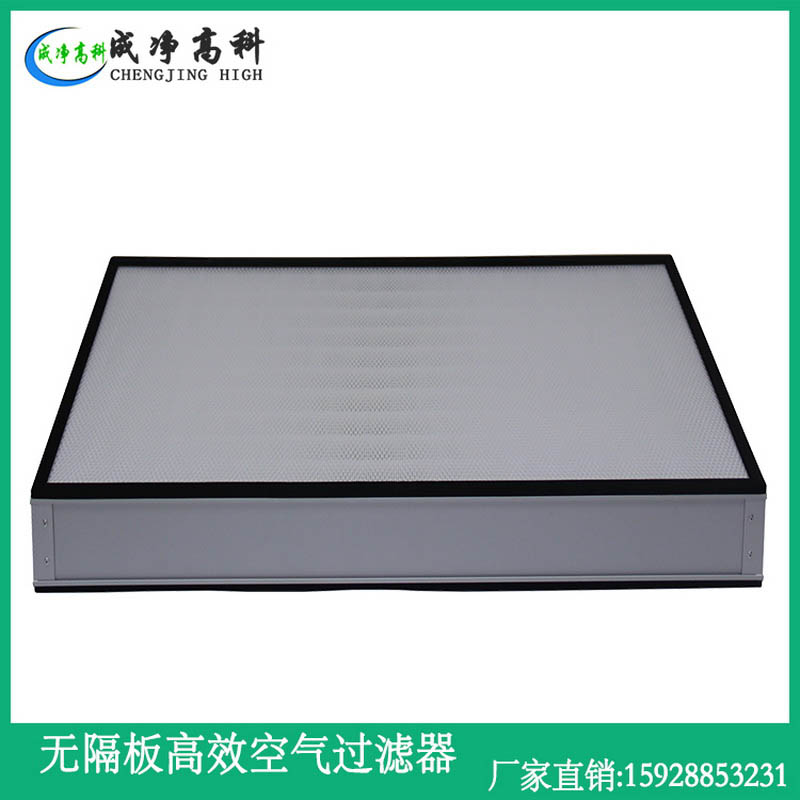
This high-efficiency filter usually uses ultrafine glass fiber filter paper as the filter material, which has extremely high filtration efficiency and low resistance characteristics. Common frame materials include aluminum alloy, galvanized steel plate or stainless steel, and the sealing method is often polyurethane sealant or liquid tank sealing to ensure no leakage. The execution standards usually refer to GB/T 13554-2020 "High Efficiency Air Filters" or EN 1822 standards. The typical testing scope is scanning leak detection to ensure that every point meets the efficiency standards. Filter paper has high folding density and a large windward area, which can maintain reasonable wind speed and pressure drop while ensuring H13 or H14 level efficiency, and adapt to long-term continuous operation.
When selecting, it is necessary to clarify the required efficiency level (such as H13, H14), air volume requirements, and installation space dimensions. Suitable for clean room end air vents, laminar flow hoods, biosafety cabinets, and other scenarios. Not suitable for environments containing a large amount of oily mist, high temperature and humidity, or without initial or intermediate pre filtration, otherwise it may cause rapid clogging of the filter material or performance degradation. Compared with medium efficiency filters, ultra-fine fiberglass high-efficiency filters target submicron particles, with greater resistance and higher cost, requiring pre protection to extend their service life. When purchasing, it is necessary to verify the size, thickness, and interface form of the outer frame to ensure compatibility with the existing HVAC system.
When installing ultra-fine fiberglass high-efficiency filters, it is necessary to ensure that the cleanroom environment has been cleaned and check whether the filter paper is damaged before installation. The typical usage cycle is 1-3 years, depending on the front-end filtration effect and indoor pollution load. Daily maintenance mainly determines whether to replace by monitoring changes in pressure difference. When the final resistance reaches twice the initial resistance or the specified value, it should be replaced immediately. Common faults include frame leakage and filter paper damage leading to decreased efficiency, requiring regular PAO or DOP leak testing. During the transportation and installation process, it is strictly prohibited to collide with the surface of the filter paper to avoid damaging the fiber structure and affecting the filtration performance.
AfterSalesService :
Key words:
More Products