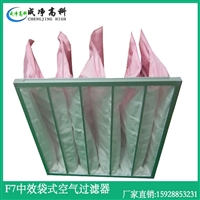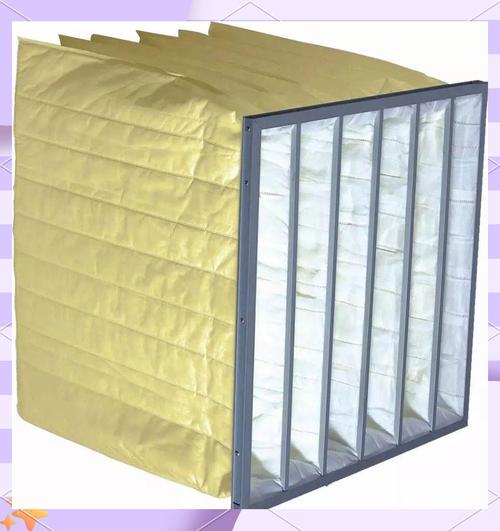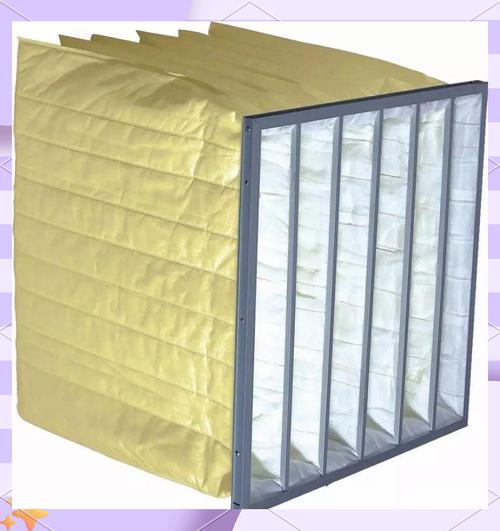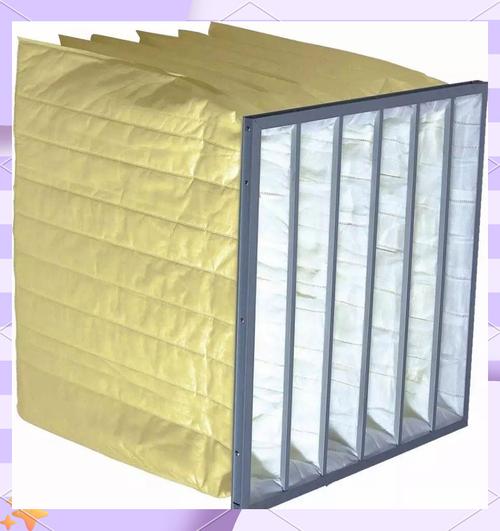
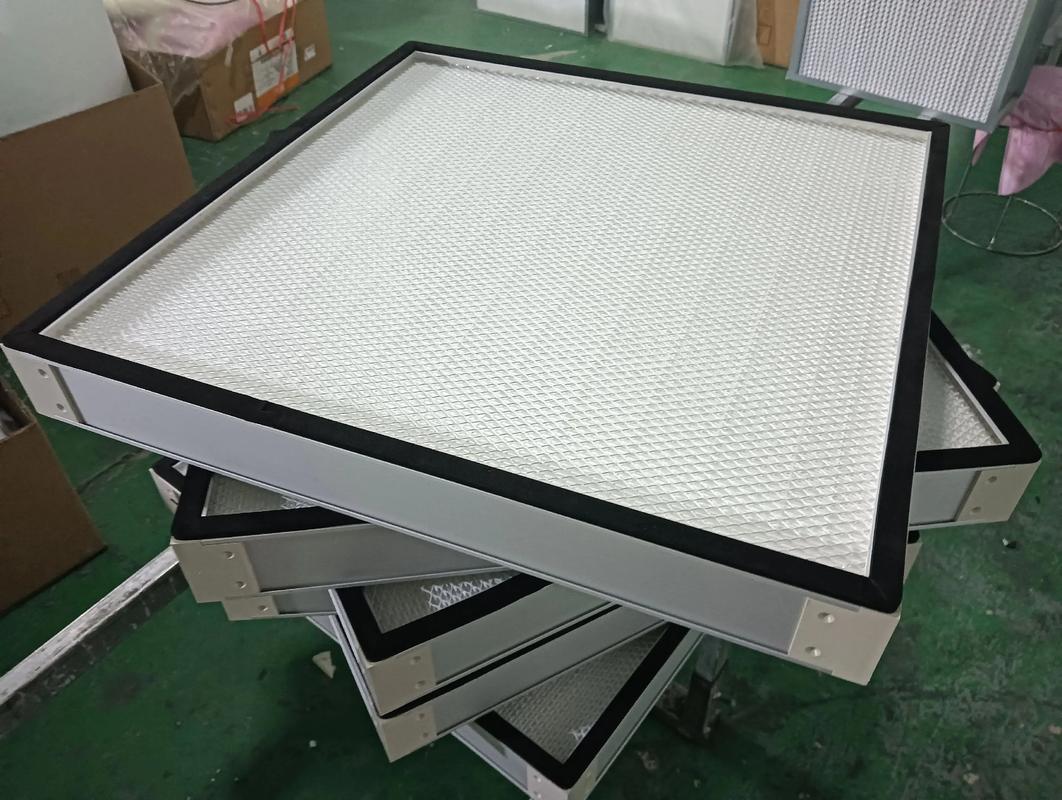

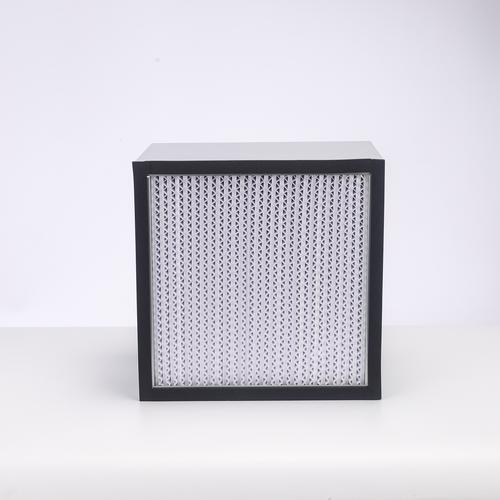
Xianyang Baoji High Efficiency Filter Xianyang Baoji Ultra fine Fiberglass High Efficiency Filter Xianyang Baoji H13H14 Hundred level High Efficiency Filter
Category:
chemical industry/Filtration, separation, and screening equipment/air filter
Model:
cd3
Brand:
Chengjing High Tech
filtration efficiency:
H13-H14 (@0.3μm)
filter material :
Ultra fine glass fiber paper
frame material:
Aluminum alloy/galvanized sheet/stainless steel
Initial resistance:
≤250Pa
Suggested air volume:
Customize according to size
heat resistance:
≤80℃
Humidity resistance:
≤80%RH
Execution Standard:
GB/T 13554-2020
Retail Price
10,000,000.00USD
重量
kg
- Product Description
-
filtration efficiency H13-H14 (@0.3μm)
filter material Ultra fine glass fiber paper
frame material Aluminum alloy/galvanized sheet/stainless steel
Initial resistance ≤250Pa
Suggested air volume Customize according to size
heat resistance ≤80℃
Humidity resistance ≤80%RH
Execution Standard GB/T 13554-2020
Description :
Ultra fine glass fiber high-efficiency filter is an air end purification equipment made of ultra-fine glass fiber paper as the filter material, through precision folding, separation and sealing processes. It is mainly used to capture tiny particles of 0.3 microns and above in the air, such as dust, bacteria, aerosols, etc. It is the core component for maintaining high cleanliness levels in clean rooms, operating rooms, and precision electronic workshops. This high-efficiency filter ensures that the supplied air meets the corresponding cleanliness level specified in ISO 14644 standard through physical interception and diffusion effects, solving the problem that traditional filtration methods cannot remove fine pollutants. It is widely used in industrial and medical conditions that have strict requirements for air quality.
This high-efficiency filter adopts imported or domestically produced high-quality ultra-fine glass fiber filter paper, which has the characteristics of fine fiber diameter, large dust holding capacity, and stable resistance. The frame is usually made of aluminum alloy, galvanized steel plate or stainless steel material, with a sturdy and corrosion-resistant structure that can adapt to different humidity and chemical environments. Separators are often made of hot melt adhesive or aluminum foil to ensure uniform pleat spacing and maximize effective filtration area. Before leaving the factory, each product undergoes a leak test and meets the national standard GB/T 13554-2020 "High Efficiency Air Filters". Common specifications and sizes include 610x610x150mm, 592x592x292mm, etc. The filtration efficiency levels cover H13 and H14, and the initial resistance is usually between 200-250Pa, ensuring efficient purification with low energy consumption. Xianyang Baoji High Efficiency Filter; Xianyang Baoji ultrafine fiberglass high-efficiency filter; Xianyang Baoji H13H114 hundred level high-efficiency filter
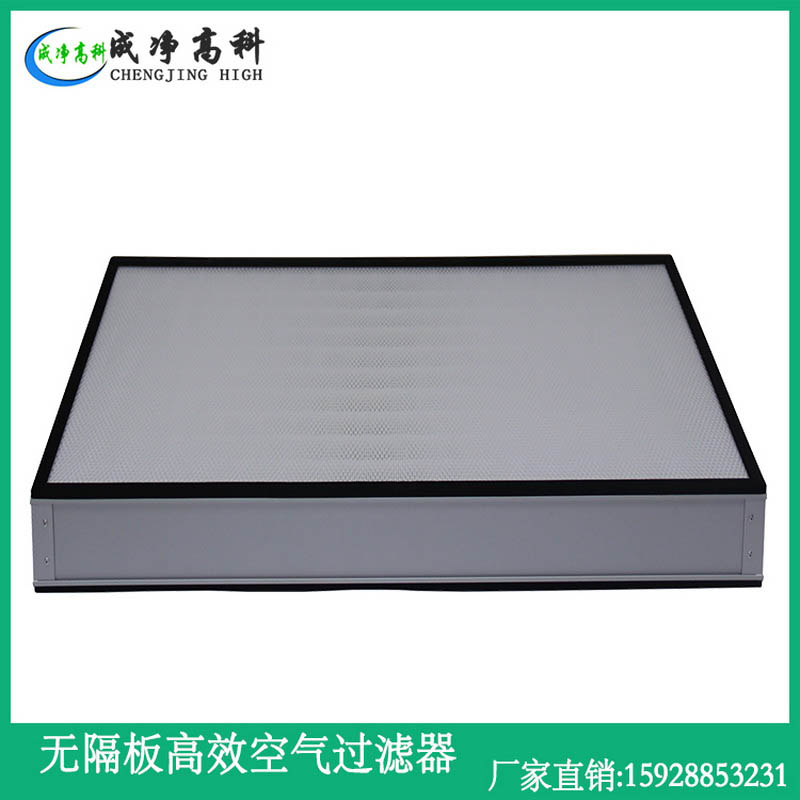
When selecting ultra-fine fiberglass high-efficiency filters, it is necessary to clarify the on-site air volume requirements, installation space dimensions, and cleanliness level requirements. H13 level is suitable for general clean rooms and pharmaceutical packaging areas; H14 level is used for higher cleanliness requirements scenarios such as operating rooms and semiconductor wafer manufacturing. It is important to distinguish between it and medium efficiency filters, as the latter can only intercept larger particles and cannot replace the end screening function of high-efficiency filters. If the humidity on site is high or there is acidic or alkaline exhaust gas, it is recommended to choose a model of stainless steel frame and special sealing material to prevent frame corrosion and leakage. At the same time, it is necessary to confirm the configuration of the upstream pre filtration system to extend the service life of the high-efficiency filter and avoid premature clogging.
When installing ultra-fine fiberglass high-efficiency filters, it is necessary to ensure that the interior of the clean room has been thoroughly cleaned, and strict sealing should be carried out at the static pressure box or air supply outlet. Common liquid tank sealing or gasket sealing methods are used to prevent unfiltered air from bypassing and leaking. In daily maintenance, it is necessary to regularly monitor the pressure difference before and after the filter. When the initial resistance reaches the final resistance (usually twice the initial resistance), it should be replaced in a timely manner. Do not attempt to clean and reuse it, as the structure of the fiberglass filter paper will be damaged by water or mechanical wiping, resulting in a decrease in efficiency. It is recommended to conduct integrity testing (such as PAO leak detection) every 6-12 months to promptly detect and address minor leaks, ensuring sustained and stable purification effects, and guaranteeing production environment and product quality and safety.
AfterSalesService :
Key words:
More Products