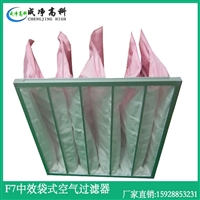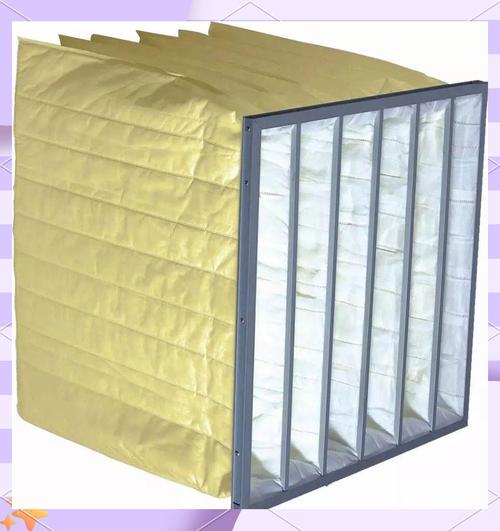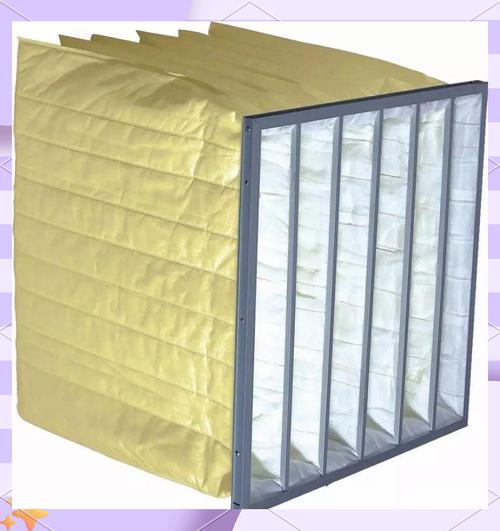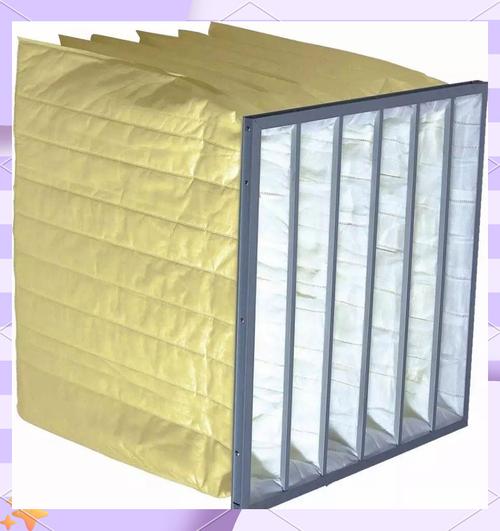
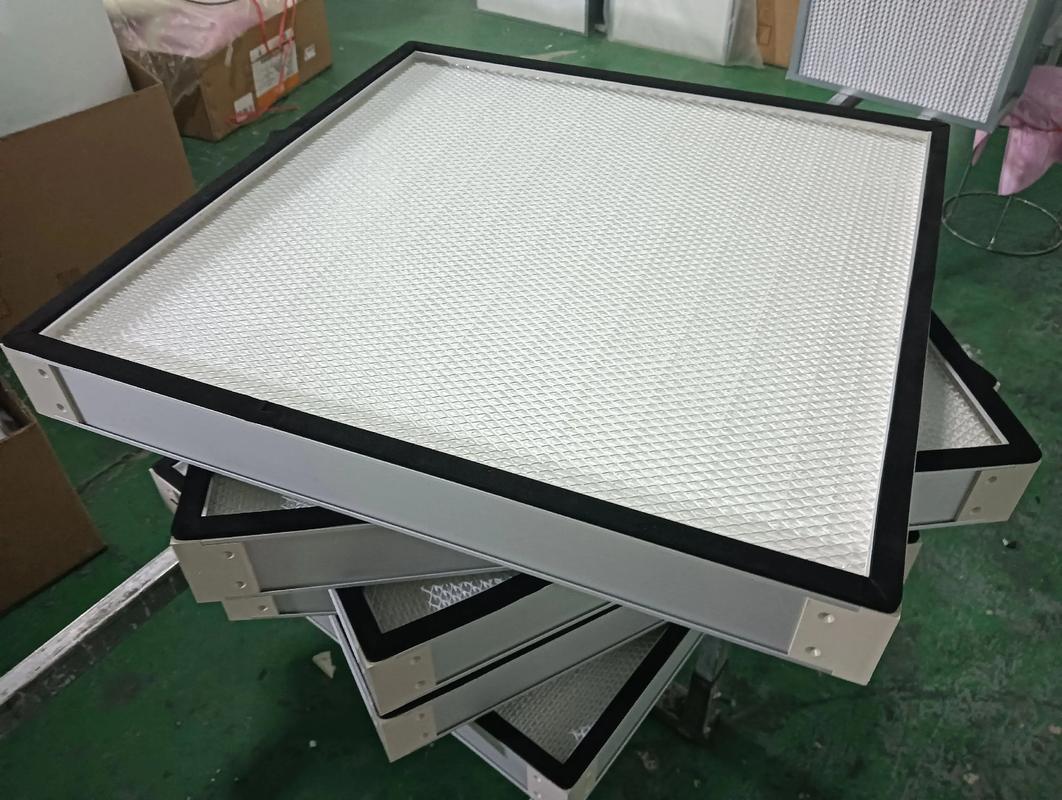

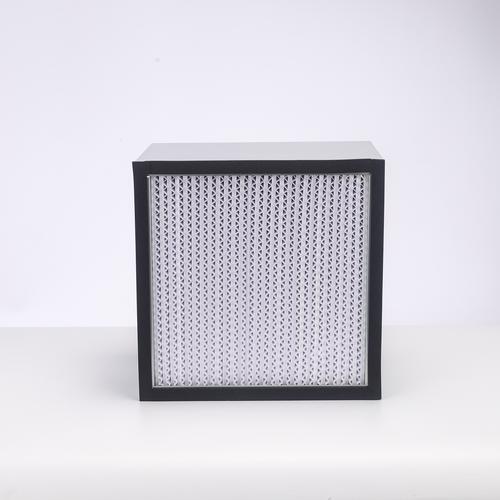
Ultra fine glass fiber high-efficiency filter, Chengdu Chengjing High tech Purification Equipment dedicated HEPA filter element
Category:
Environmental Protection/Filtering equipment/air filter
Model:
cd5
Brand:
Chengjing High Tech
filtration efficiency:
H13-H14 (for 0.3 μ m particles ≥ 99.99%)
filter material :
Ultra fine glass fiber paper
Outer frame material:
Aluminum alloy/galvanized sheet/stainless steel
Sealing method:
Polyurethane adhesive/hot melt adhesive/liquid tank sealing
Execution Standard:
GB/T 13554-2020
Operating temperature:
≤80℃
Operating Humidity:
≤80% RH
Detection method:
Scan leak detection one by one (PAO/DOP)
Retail Price
10,000,000.00USD
重量
kg
- Product Description
-
filtration efficiency H13-H14 (for 0.3 μ m particles ≥ 99.99%)
filter material Ultra fine glass fiber paper
Outer frame material Aluminum alloy/galvanized sheet/stainless steel
Sealing method Polyurethane adhesive/hot melt adhesive/liquid tank sealing
Execution Standard GB/T 13554-2020
Operating temperature ≤80℃
Operating Humidity ≤80% RH
Detection method Scan leak detection one by one (PAO/DOP)
Description :
Ultra fine glass fiber high-efficiency filter is an efficient air purification terminal equipment using ultra-fine glass fiber paper as the filter material, mainly used to capture tiny particles of 0.3 microns and above. It solves the strict requirements for air cleanliness in clean rooms, operating rooms, and precision electronics workshops, ensuring that the production environment meets the cleanliness level specified by ISO standards. This high-efficiency filter is usually installed at the end of the air supply outlet or static pressure box of the purification air conditioning system, and is the last line of defense to ensure indoor air quality. It is widely used in industrial and medical scenarios with extremely high requirements for dust particle control.
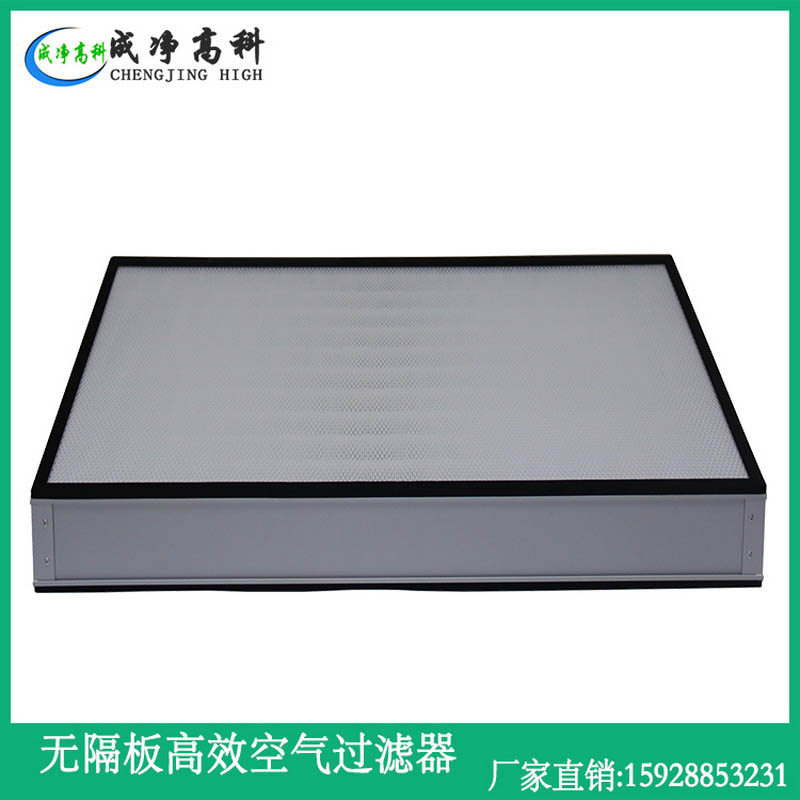
The core filter material of this high-efficiency filter is made of imported or domestically produced high-quality ultra-fine glass fiber paper, which increases the filtering area and reduces operating resistance through a special folding process. The outer frame is usually made of aluminum alloy, galvanized steel plate or stainless steel material, with a sturdy and corrosion-resistant structure. The sealing method often uses polyurethane two-component adhesive or hot melt adhesive for full section sealing to ensure no leakage. The execution standard complies with the GB/T 13554-2020 "High Efficiency Air Filters" specification. Before leaving the factory, each unit undergoes a scanning leak test (PAO/DOP test) to ensure that the filtration efficiency reaches the H13-H14 level. The initial resistance is controlled within a reasonable range to ensure stable air output.
When selecting ultrafine fiberglass high-efficiency filters, it is necessary to clarify the on-site installation dimensions, required filtration efficiency levels (such as H13, H14), and maximum allowable resistance. If the on-site humidity is high or there is a risk of chemical corrosion, it is recommended to choose stainless steel frame and hydrolysis resistant filter material; If space is limited, thin design or high air volume compact products can be chosen. Compared with ordinary medium efficiency filters, high-efficiency filters have higher resistance and need to be used in conjunction with fans with corresponding air pressure. For cleanrooms of Class 100 or above that require higher cleanliness, high-efficiency filters with liquid tank sealing or negative pressure sealing structures must be selected to prevent side leakage from affecting the cleanliness effect.
When installing ultra-fine fiberglass high-efficiency filters, it is essential to ensure the flatness and sealing of the frame and installation interface to prevent unfiltered air from bypassing the clean area. In daily maintenance, the pressure difference before and after the filter should be regularly monitored. When the initial resistance reaches the final resistance (usually twice the initial resistance), it should be replaced in a timely manner and cannot be cleaned and reused, because the fiber structure of the fiberglass filter material will be damaged when it comes into contact with water or mechanically cleaned, resulting in a decrease in efficiency. Common faults include abnormal increase in pressure difference or leakage detection. At this time, it is necessary to check whether the sealing gasket is aging or whether the filter paper is damaged, and promptly contact professional personnel for replacement or repair.
AfterSalesService :
宁夏银川高效过滤网 宁夏银川超细玻纤高效过滤器 宁夏银川H13H14百级高效过滤网Key words:
More Products