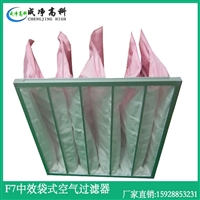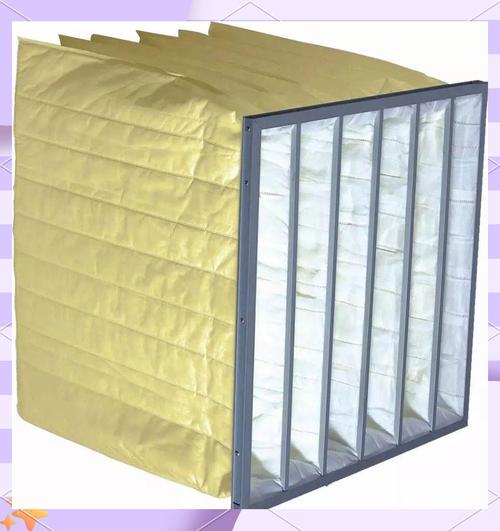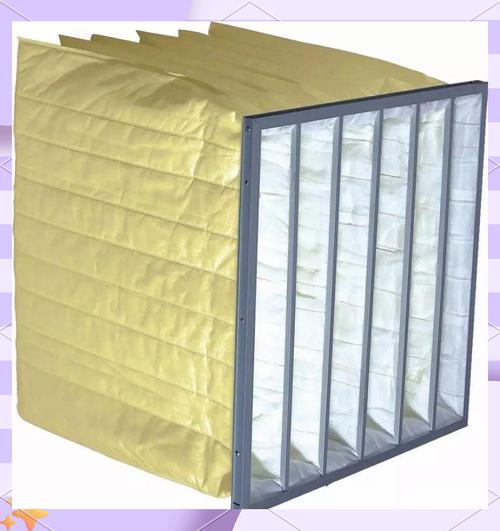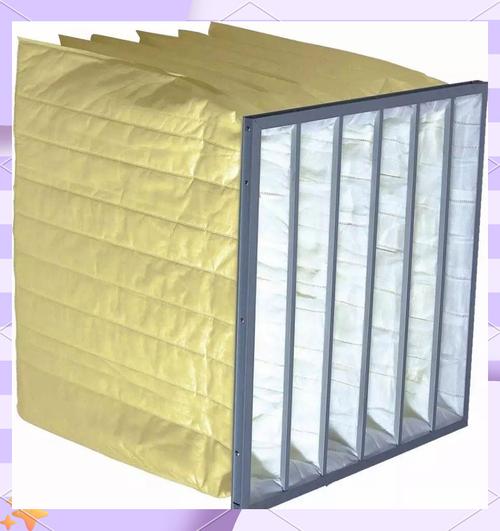
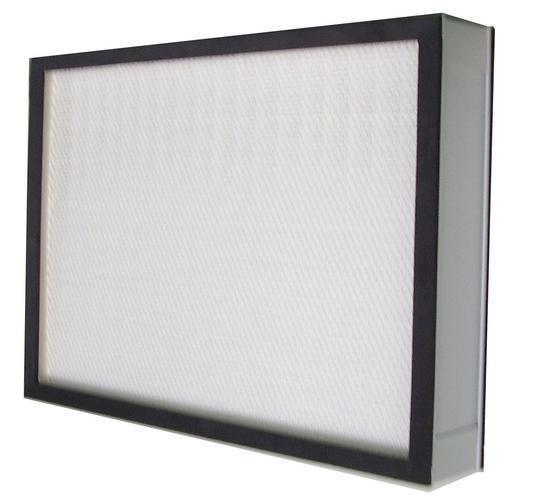

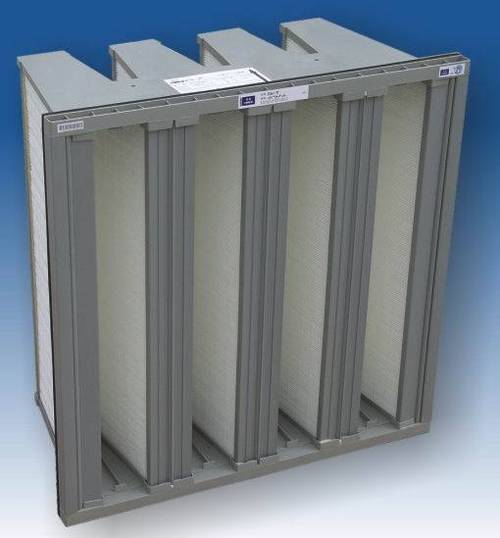
H13/H14 Class 100 High Efficiency HEPA Filter for Cleanrooms in Cleanrooms
Category:
Environmental Protection/Filter material/Filter screen
Model:
H13/H14
Brand:
Chengjing High Tech
filtration efficiency:
H13: ≥99.95% @0.3μm; H14: ≥99.995% @0.3μm
filter material :
Ultra fine glass fiber filter paper
frame material:
Aluminum alloy/galvanized steel sheet/stainless steel
Execution Standard:
GB/T 13554-2020
Initial Resistance:
≤ 220Pa (@ rated air volume)
Suggested final resistance:
≤450Pa
Applicable cleanliness level:
Class 100/Class 1000/Class 10000 cleanroom
heat resistance:
≤80℃
Moisture resistance:
≤100% RH
Retail Price
10,000,000.00USD
重量
kg
- Product Description
-
filtration efficiency H13: ≥99.95% @0.3μm; H14: ≥99.995% @0.3μm
filter material Ultra fine glass fiber filter paper
frame material Aluminum alloy/galvanized steel sheet/stainless steel
Execution Standard GB/T 13554-2020
Initial Resistance ≤ 220Pa (@ rated air volume)
Suggested final resistance ≤450Pa
Applicable cleanliness level Class 100/Class 1000/Class 10000 cleanroom
heat resistance ≤80℃
Moisture resistance ≤100% RH
Description :
The high-efficiency filter is the core terminal filtering component in air purification systems, mainly used to capture tiny particles of 0.3 microns or more in the air, such as dust, pollen, bacteria, and aerosols. This product is designed for high cleanliness environments such as Class 100 and Class 1000, effectively solving the problem of excessive dust particles in clean rooms and ensuring that the air cleanliness in the production environment meets the high-level requirements of ISO 14644-1 standard. Typical operating conditions include places with strict air quality requirements such as electronic semiconductor manufacturing, biopharmaceutical filling lines, precision instrument assembly workshops, and hospital operating rooms. As the last line of defense for HVAC systems, the performance of high-efficiency filters directly determines the final output quality of the entire purification system and is a key equipment for maintaining a constant clean environment.
This high-efficiency filter usually uses ultrafine glass fiber filter paper as the filtering medium, which has extremely high filtration efficiency and low initial resistance. The frame material is mostly aluminum alloy, galvanized steel plate or stainless steel, ensuring structural strength and corrosion resistance. The filtration efficiency of H13 grade for 0.3 μ m particles is not less than 99.95%, while H14 grade is not less than 99.995%. The product complies with the national standard GB/T 13554-2020 "High Efficiency Air Filters" and must undergo individual scanning and leak testing before leaving the factory to ensure no leaks. The common sealing methods are gel seal or gasket seal, which are suitable for different installation frame structures. The folding density of filter paper has been optimized and calculated to reduce operating energy consumption while ensuring dust holding capacity. The initial resistance is controlled between 180-220Pa under conventional air flow, and the specific value depends on the specifications and dimensions.
When selecting, the specific specifications of the high-efficiency filter should be determined based on the design air volume, allowable resistance, and installation space size of the clean room. H13 is suitable for the main filtration process in most cleanrooms ranging from Class 100 to Class 10000, while H14 is used for Class 100 laminar flow hoods or critical process points that require extremely high cleanliness. If the humidity on site is high, it is recommended to choose hydrophobic filter paper or a model that has undergone special moisture-proof treatment to prevent the filter paper from experiencing a surge in resistance or damage after absorbing moisture. Compared to medium efficiency filters, high-efficiency filters cannot be cleaned and must be replaced regularly; Compared with ULPA ultra efficient filters, it has lower resistance and better cost, making it suitable for most industrial clean applications. When purchasing, it is necessary to confirm whether the interface form (such as liquid tank type, partition type, or non partition type) matches the existing air duct system to avoid installation difficulties.
Before installing the high-efficiency filter, the air supply duct and static pressure box must be thoroughly cleaned to prevent large particles and debris from blocking the filter material or damaging the sealing surface. During the installation process, handle with care and do not touch the surface of the filter paper with your hands to avoid oil contamination that may cause a decrease in local efficiency. Daily maintenance mainly relies on differential pressure monitoring. When the final resistance reaches twice the initial resistance or the specified value (usually 400-450Pa), it should be replaced in a timely manner. It is recommended to conduct a visual inspection every 3-6 months to check for any signs of leakage at the border seal. Common faults include abnormally high resistance, often caused by insufficient pre filtration due to the failure of the front intermediate efficiency filter; If leakage points are found during inspection, the sealing strip needs to be re tightened or the damaged unit needs to be replaced. Reasonable pre filtration protection can significantly extend the service life of high-efficiency filters and reduce overall operating costs.
AfterSalesService :
Key words:
More Products