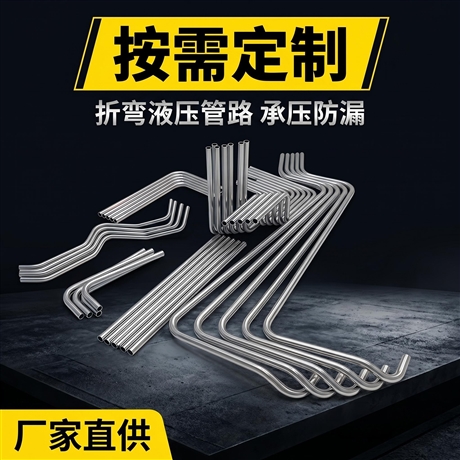

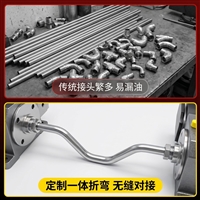
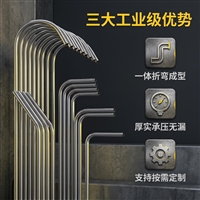
Customized bending hydraulic pipeline pressure and leak proof stainless steel hard pipe assembly as needed
Category:
hardware/Hydraulic components/Hydraulic pipe fittings
Model:
Customization
Brand:
Dekun Hydraulic
Material:
304 stainless steel/carbon steel galvanized
Outer diameter range:
6mm - 42mm
wall thickness:
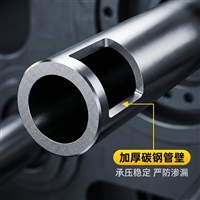
1.5mm - 3mm
work pressure:
≥20MPa
bend radius:
≥ 3 times the diameter of the pipe
Surface Treatment:
Polishing/Galvanizing/Spraying
connection method:
Card sleeve/welded/flange
Execution Standard:
ISO 8434-1 / DIN 2353
Applicable Medium:
Hydraulic oil/water ethylene glycol/air
customization capability:
Support processing according to drawings/sample replication
Retail Price
10,000,000.00USD
重量
kg
- Product Description
-
Material 304 stainless steel/carbon steel galvanized
Outer diameter range 6mm - 42mm
wall thickness 1.5mm - 3mm
work pressure ≥20MPa
bend radius ≥ 3 times the diameter of the pipe
Surface Treatment Polishing/Galvanizing/Spraying
connection method Card sleeve/welded/flange
Execution Standard ISO 8434-1 / DIN 2353
Applicable Medium Hydraulic oil/water ethylene glycol/air
customization capability Support processing according to drawings/sample replication
Description :
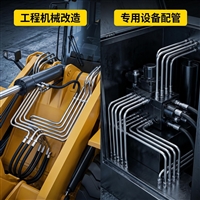
Bending hydraulic pipeline is a rigid connecting pipeline used in hydraulic systems to transmit high-pressure working media, mainly solving the problems of fluid guidance and pressure transmission in complex spatial layouts. Typical operating conditions include high-pressure and high-frequency vibration environments such as construction machinery, injection molding machines, ship hydraulic systems, and industrial production lines. This category replaces traditional hose and joint combinations with precision bending technology, reducing leakage points, improving system stability and safety, and is suitable for equipment that requires high pressure capacity (usually ≥ 20MPa) and long service life operation.
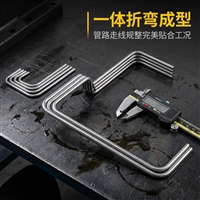
In terms of specifications, the common outer diameter range is 6mm to 42mm, with a wall thickness of 1.5mm to 3mm. The material is mostly 304/316L stainless steel or galvanized carbon steel, with a surface finish Ra ≤ 1.6 μ m, in compliance with ISO 8434-1 or DIN 2353 standards. The bending radius is generally ≥ 3 times the diameter of the pipe to avoid stress concentration; The port form can be selected as sleeve type, welded type or flange connection, and supports customized angles and lengths according to the drawings. Some products have undergone non-destructive testing to ensure that the welds are defect free and meet CE or PED certification requirements.
When selecting, it is necessary to clarify the working pressure, medium type (hydraulic oil, water ethylene glycol, etc.), installation space limitations, and vibration frequency. Not suitable for frequent movement or large angle twisting scenarios - high-pressure hoses should be used for such working conditions. Compared with the similar category of "hydraulic hose assembly", the advantage of hard pipes lies in higher pressure resistance, longer service life, and lower maintenance costs; The disadvantage is that it requires high installation accuracy and cannot be adjusted on site. The purchaser often asks, 'Can the original parts be replaced?' The answer is yes, but original samples or CAD drawings need to be provided to ensure compatibility.
Clean the inner wall of the pipe before installation to prevent impurities from entering the valve assembly; Use a specialized pipe bending machine to avoid manual bending that may cause elliptical deformation. The typical service life is 5-10 years, depending on the cleanliness of the medium and the degree of environmental corrosion. It is recommended to regularly check the looseness of the pipe clamp and observe for any signs of leakage or abnormal vibration noise during daily maintenance. Common faults such as local bulging are often caused by overpressure and require immediate shutdown and replacement; If there are multiple small oil leaks, it may be due to the failure of the end seal, and the O-ring should be re tightened or replaced.
AfterSalesService :
售后一年Key words:
More Products