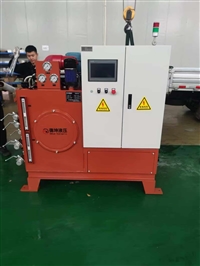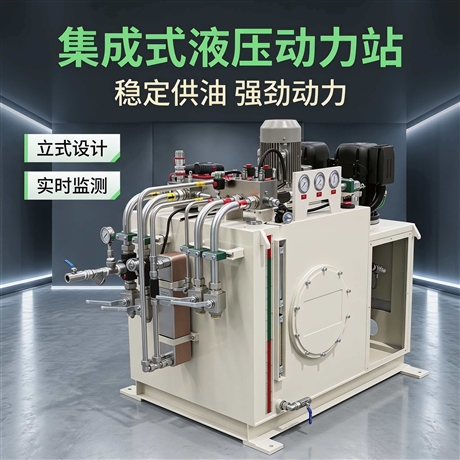

Large scale servo hydraulic station energy-saving high-precision pressure flow composite control industrial power unit
Category:
mechanical equipment/Hydraulic components/Hydraulic station
Model:
Customization
Brand:
Dekun Hydraulic
Rated pressure of the system:
25 MPa
Flow regulation range:
0-100%
Pressure control accuracy:
±0.5 bar
Motor type:
Permanent magnet synchronous servo motor
cooling method:
Air cooling/water cooling
working medium:
Wear resistant hydraulic oil L-HM46
noise level:
≤75 dB(A)
Protection rating:
IP54
Retail Price
10,000,000.00USD
重量
kg
- Product Description
-
Rated pressure of the system 25 MPa
Flow regulation range 0-100%
Pressure control accuracy ±0.5 bar
Motor type Permanent magnet synchronous servo motor
cooling method Air cooling/water cooling
working medium Wear resistant hydraulic oil L-HM46
noise level ≤75 dB(A)
Protection rating IP54
Description :
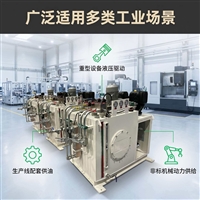
A large servo hydraulic station is an intelligent hydraulic power source based on servo motors driving variable displacement pumps or quantitative pumps, aimed at solving the problems of high energy consumption, loud noise, fast temperature rise, and low control accuracy in traditional asynchronous motor hydraulic systems. This device adjusts the motor speed and pump output flow in real-time through a closed-loop control system, achieving on-demand oil supply. Typical operating conditions include power drive for injection molding machines, die-casting machines, presses, and large metallurgical equipment. Its core advantage lies in raising the energy efficiency ratio of hydraulic systems to new heights, while possessing fast response characteristics that can meet the precise synchronization requirements of pressure and flow in complex processes. It is a key foundational component for modern industrial automation upgrades.
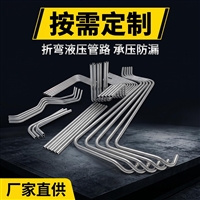
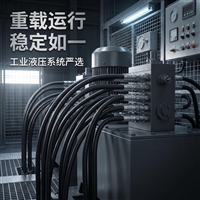
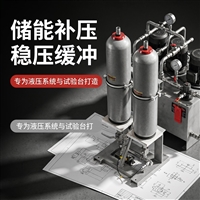
In terms of specifications and processes, large servo hydraulic stations usually use high-strength welded oil tanks, which are treated with shot blasting, rust removal, and anti-corrosion spraying to ensure long-term structural stability. The system is equipped with high-performance servo motors, with a rated power range covering 15kW to 200kW and above, and a working pressure of up to 25MPa to 35MPa. Key hydraulic components such as plunger pumps, proportional valves, and sensors are selected from internationally renowned brands or domestic first-line brands to ensure that MTBF (mean time between failures) meets industry standards. The execution standard follows JB/T 8728 General Technical Conditions for Hydraulic Systems, and the electrical part complies with GB 5226.1 Mechanical Safety Standard. Before leaving the factory, it needs to undergo pressure resistance testing, leakage testing, and continuous load operation testing to ensure that all indicators meet the standards.
When selecting, it is important to distinguish the differences between servo hydraulic stations, ordinary variable frequency hydraulic stations, and traditional quantitative pump stations. Servo hydraulic stations are suitable for scenarios that require high energy efficiency (usually 30% -70% energy savings) and strict control accuracy (pressure control accuracy ± 0.5bar); If the operating conditions are only simple one-way actions and not sensitive to energy consumption, traditional quantitative pumping stations may have a cost advantage; If only the flow rate needs to be adjusted without requiring extremely high dynamic response, ordinary frequency conversion schemes can be used as a compromise. In addition, the fuel tank capacity and pipeline layout should be determined based on the installation space, and the cooling method (air cooling or water cooling) should be selected considering the ambient temperature. The motor torque and pump displacement curve should be matched according to the load characteristics to avoid "small horses pulling large trucks" or energy waste.
When installing a large servo hydraulic station, it is necessary to ensure that the foundation is flat and stable, reduce vibration transmission, and strictly clean the inlet and return pipelines to prevent welding slag impurities from entering the pump body. The key points of daily maintenance include regularly checking the hydraulic oil level and quality. It is recommended to replace the filter element every 2000 hours and conduct oil contamination testing every six months. Common faults such as large pressure fluctuations are often caused by suction or sensor zero drift, and need to be checked for sealing and recalibrated; If the motor overheats, it is necessary to check whether the cooling fan or water cooling circuit is unobstructed. Establishing comprehensive inspection records and monitoring servo drive alarm codes can effectively extend equipment lifespan and ensure production continuity.
AfterSalesService :
Key words:
More Products