
Heavy duty industrial hydraulic hose assembly, high-pressure steel wire braided rubber oil pipe, oil resistant and wear-resistant customized
Category:
mechanical equipment/Hydraulic sealing device/High pressure hose
Model:
Customization
Brand:
Dekun Hydraulic
work pressure:
16-40 MPa
burst pressure:
≥ 3 times the work pressure
Internal adhesive material:
Oil resistant synthetic rubber (NBR)
Enhanced layer structure:
High strength steel wire weaving/winding
External adhesive material:
Wear resistant and weather resistant rubber (CR/PUR)
Applicable Medium:
Mineral hydraulic oil, emulsion
temperature range:
-40 ℃ to+100 ℃
Joint material:
Carbon steel/stainless steel
Execution Standard:
SAE J517 / EN 853
bend radius:
Depending on the diameter of the pipe
Retail Price
10,000,000.00USD
重量
kg
- Product Description
-
work pressure 16-40 MPa
burst pressure ≥ 3 times the work pressure
Internal adhesive material Oil resistant synthetic rubber (NBR)
Enhanced layer structure High strength steel wire weaving/winding
External adhesive material Wear resistant and weather resistant rubber (CR/PUR)
Applicable Medium Mineral hydraulic oil, emulsion
temperature range -40 ℃ to+100 ℃
Joint material Carbon steel/stainless steel
Execution Standard SAE J517 / EN 853
bend radius Depending on the diameter of the pipe
Description :
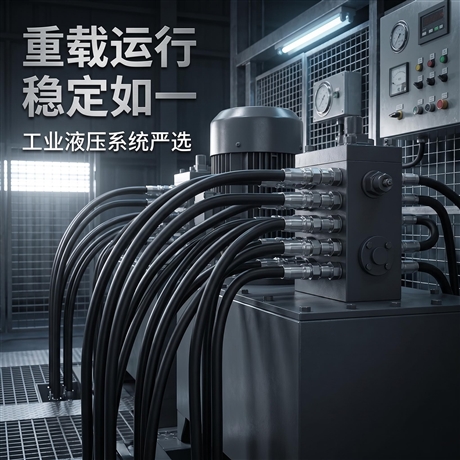
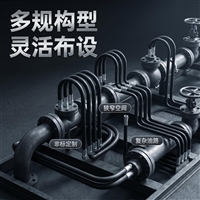
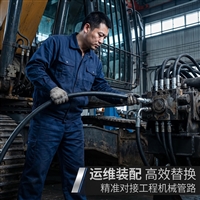
The hydraulic hose assembly is a key flexible pipeline component that connects the hydraulic power source and the actuator, designed to solve the problems of high-pressure fluid transmission, space limitation, and vibration absorption in industrial equipment. This type of product consists of an inner adhesive layer, a reinforcement layer (woven or wrapped with steel wire), and an outer adhesive layer, which can withstand working pressures of up to tens of megapascals. It is widely used in engineering machinery, metallurgical equipment, injection molding machines, and heavy-duty hydraulic stations. Its core function is to allow for certain bending and displacement of the pipeline system while ensuring sealing, effectively buffering hydraulic impacts, protecting precision hydraulic components from pulsating pressure damage, and ensuring system stability under heavy load operation.
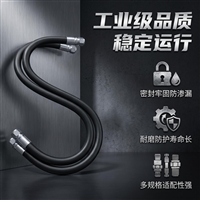
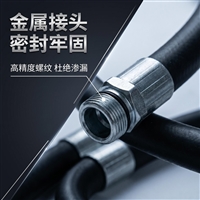
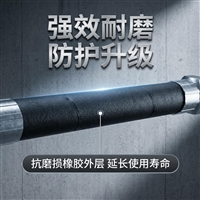
The inner rubber layer of the hydraulic hose assembly is usually made of oil resistant and heat-resistant synthetic rubber (such as nitrile rubber NBR), ensuring compatibility with hydraulic oil, emulsion and other media without swelling or degradation. The reinforcement layer is woven from high-strength galvanized steel wire or multiple strands of steel wire, providing the main pressure bearing capacity. Common structures include single-layer, double-layer, or four layer steel wire weaving, corresponding to different pressure levels. The outer rubber layer is made of weather resistant chloroprene rubber or polyurethane material, which has excellent wear resistance, ozone resistance, and UV resistance, preventing external mechanical damage and aging. The joint part is mostly made of carbon steel or stainless steel material, which is galvanized or passivated, and tightly combined with the pipe body through crimping process. The blasting pressure is usually 3-4 times the working pressure, which complies with international mainstream standards such as SAE J517 and EN 853.
When selecting, it is important to consider four dimensions: working pressure, medium type, temperature range, and bending radius. For static or low-frequency vibration situations, steel wire weaving structures can be used; If high-frequency pulse pressure or extreme bending is involved, it is recommended to choose a steel wire winding structure to improve fatigue life. Attention should be paid to distinguishing between ordinary hydraulic oil pipes and specialized pipes for special media such as water ethylene glycol and phosphate esters. Incorrect selection can lead to rapid failure of the inner rubber layer. In addition, sufficient length should be reserved during installation to compensate for thermal expansion and mechanical displacement, avoiding forced twisting of the hose under the minimum bending radius, otherwise it may cause wire layer breakage or joint leakage. Compared with rigid pipes, hydraulic hose assemblies have slightly lower pressure resistance and are more susceptible to bending, but their installation flexibility and shock absorption advantages cannot be replaced by rigid pipes.
Before installing the hydraulic hose assembly, check whether the inside of the pipe is clean and free of impurities such as iron filings and welding slag to avoid damaging the seals or blocking the valve core. Ensure that the joint is aligned during connection, and it is strictly prohibited to use hoses to correct pipeline deviations. The tightening torque must comply with the specifications to avoid thread slippage or leakage caused by over tightening or over loosening. In daily maintenance, it is necessary to regularly observe whether the outer adhesive layer has cracks, bulges, oil leakage, or wear and tear. Once abnormalities are found, they should be replaced immediately to prevent pipe burst accidents. It is recommended to check the tightness of the joints every six months, especially in high temperature or high vibration environments. During storage, direct sunlight and humid environments should be avoided. The diameter of the coiled material should not be too small to maintain its elasticity and extend its overall service life.
AfterSalesService :
一年Key words:
More Products