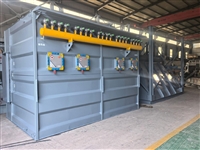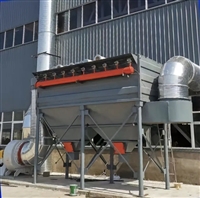
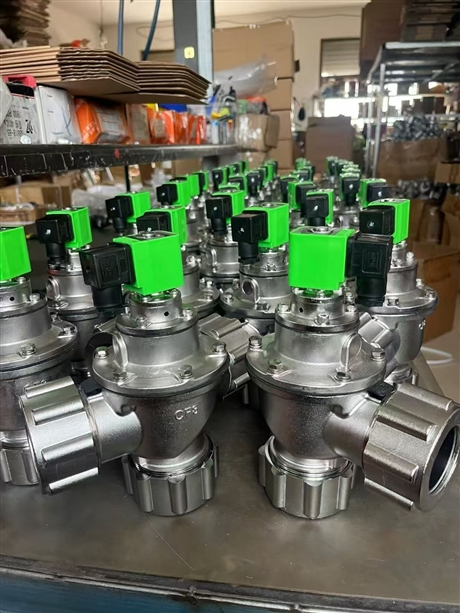

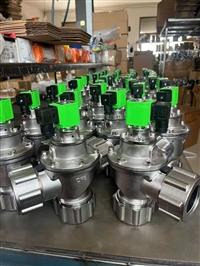
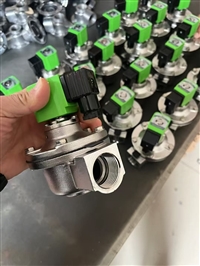
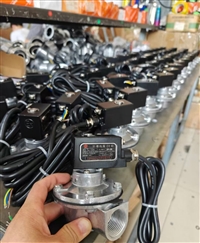
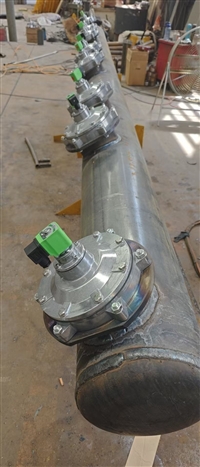
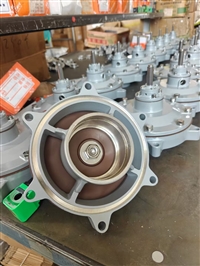
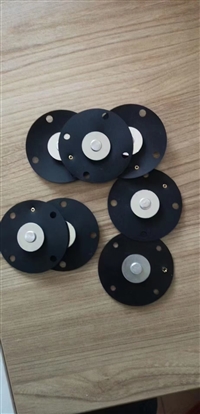
Explosion proof pulse valve and explosion-proof solenoid valve
Category:
Environmental Protection/Filtering equipment/Other filtering equipment
Model:
1 inch 1.5 inches 2.0 inches 2.5 inches 3.0 inches
Brand:
Shanghai Pei Bag
Retail Price
9,000,000.00USD
重量
kg
- Product Description
-
Description :
The pulse valves we commonly use are divided into the DMF-Z model and the DMF-Y model, which are commonly used. Even if the models are different, the basic working principle of the pulse valve is the same. Here, DMF stands for Electromagnetic Pulse Valve, where Z represents the right angle type and Y represents the submerged type.
The commonly used diameters for right angle pulse valves are relatively small, while submerged pulse valves have relatively larger diameters.
Firstly, regarding the working pressure, the DMF-Z valve has a range of 0.4~0.6Mpa, while the DMF-Y valve has a range of 0.2~0.6Mpa. You may not be sure why the two pressures are different, so go to our website: Electromagnetic Pulse Valve to find the answer!
1、 Working principle of right angle pulse valve
Structural diagram of right angle electromagnetic pulse valve
1. High pressure gas enters the lower chamber through the intake port.
2. When the pulse valve is not powered, gas enters the pressure reducing chamber through the constant pressure pipes of the upper and lower shells and the throttle holes therein. Due to the valve core blocking the pressure relief hole under the action of the spring, the gas will not be discharged, making the pressure in the pressure reducing chamber and the lower chamber consistent. Under the action of the spring, the diaphragm will block the blowing port, and the gas will not rush out.
3. When the pulse valve is powered on, the valve core lifts upward under the action of electromagnetic force, the pressure relief hole opens, and gas is sprayed out. Due to the effect of the constant pressure pipeline orifice, the outflow velocity of the pressure relief hole is greater than the inflow velocity of the constant pressure pipeline gas in the pressure reducing chamber, causing the pressure in the pressure reducing chamber to be lower than that in the lower chamber. The gas in the lower chamber lifts the diaphragm, opens the blowing port, and performs gas blowing.
2、 Working principle of submerged pulse valve
Structural diagram of submerged pulse valve
1. Its upper structure is basically the same as the right angle pulse valve, except for the different inlet method.
2. The principle of directly using the gas bag as its lower chamber is the same: when the pulse valve is not powered, gas enters the pressure reducing chamber through the constant pressure pipeline of the upper and lower shells and the throttle hole in it. Due to the valve core blocking the pressure relief hole under the action of the spring, the gas will not be discharged, making the pressure in the pressure reducing chamber and the gas bag consistent. Under the action of the spring, the diaphragm will block the blowing port, and the gas will not rush out.
3. When the pulse valve is powered on, the valve core lifts upward under the action of electromagnetic force, the pressure relief hole opens, and gas is sprayed out. Due to the effect of the constant pressure pipeline throttle hole, the outflow velocity of the pressure relief hole is greater than the inflow velocity of the constant pressure pipeline gas in the pressure reducing chamber, causing the pressure of the gas bag to be lower than that of the lower chamber. The gas in the gas bag lifts the diaphragm, opens the blowing port, and performs gas blowing.
AfterSalesService :
Key words:
More Products