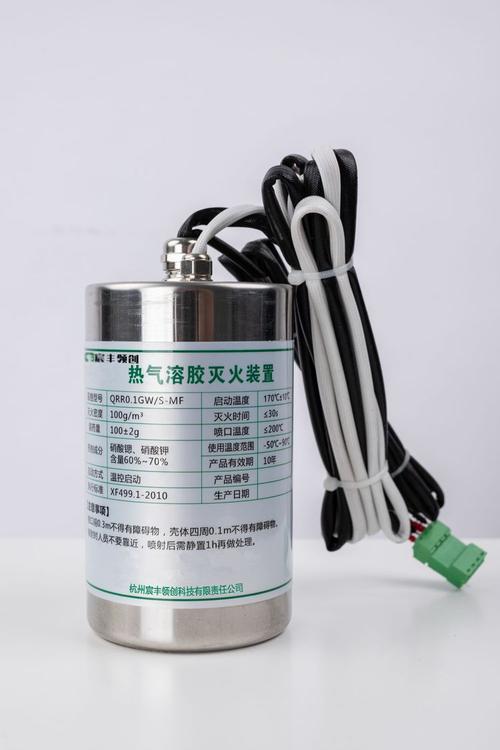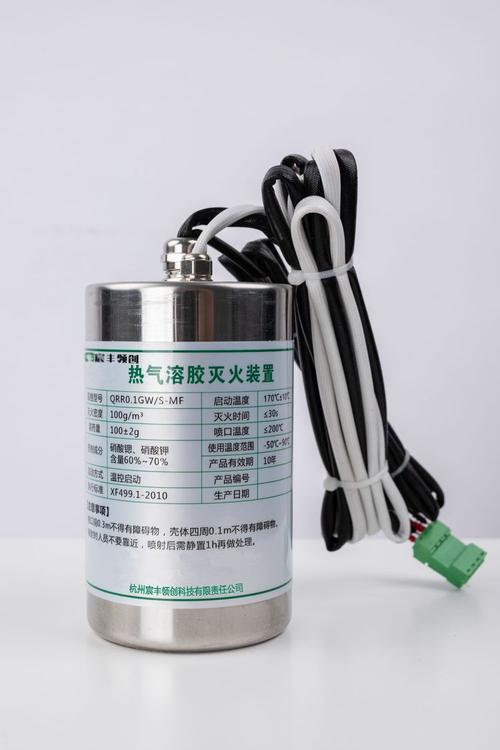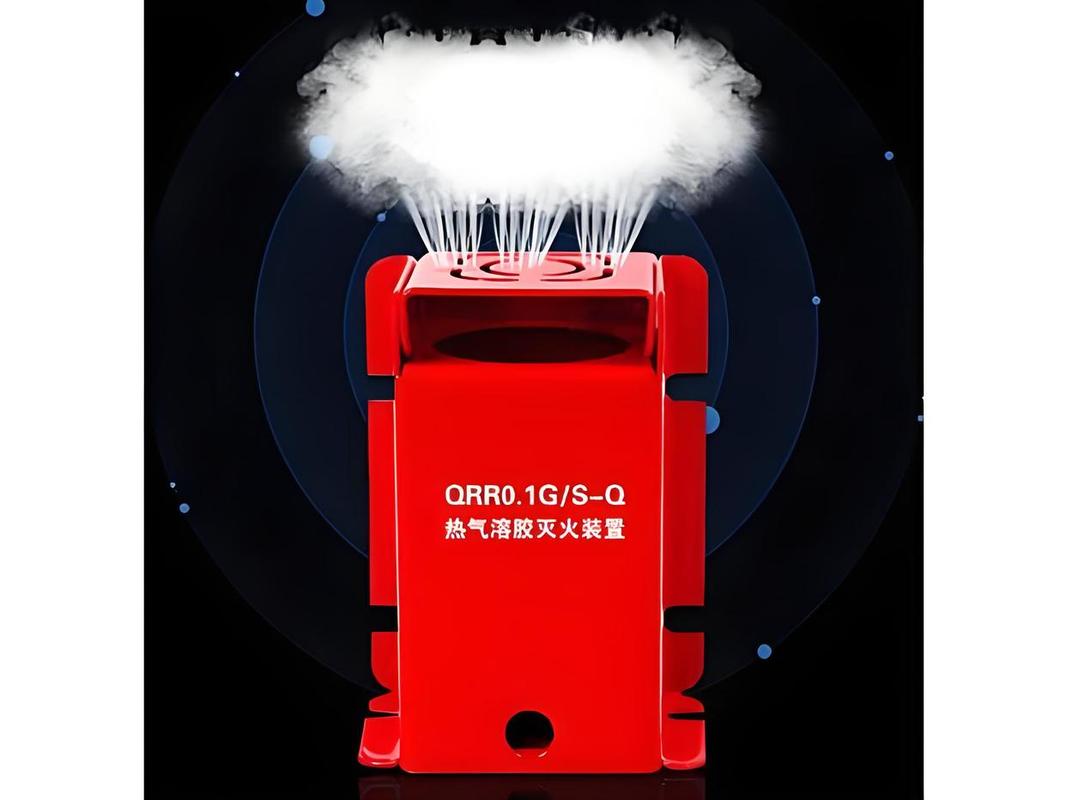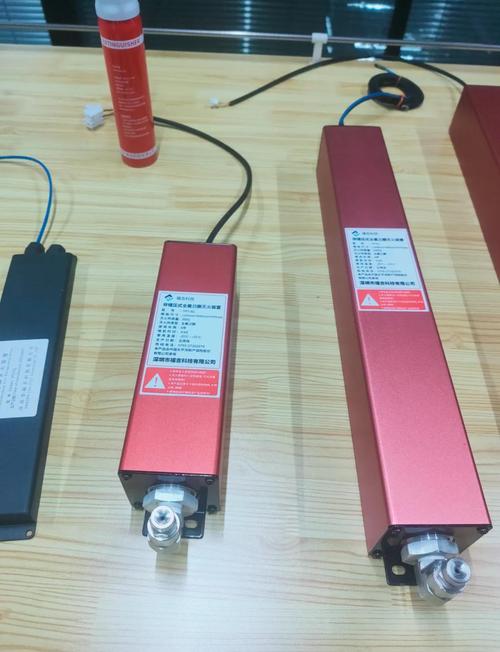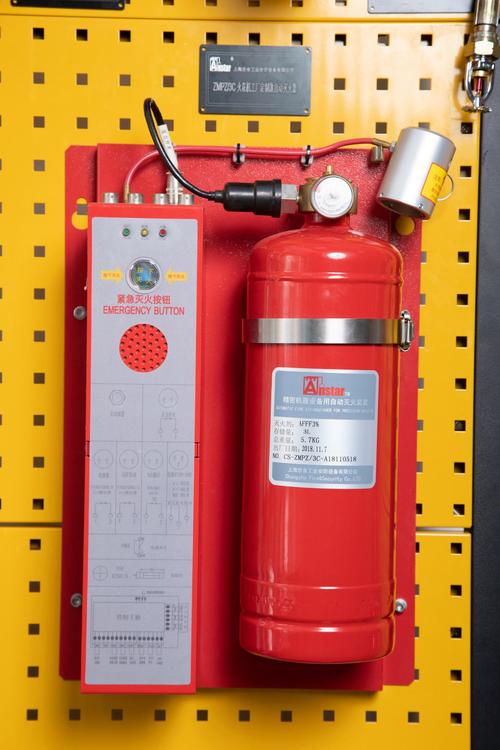

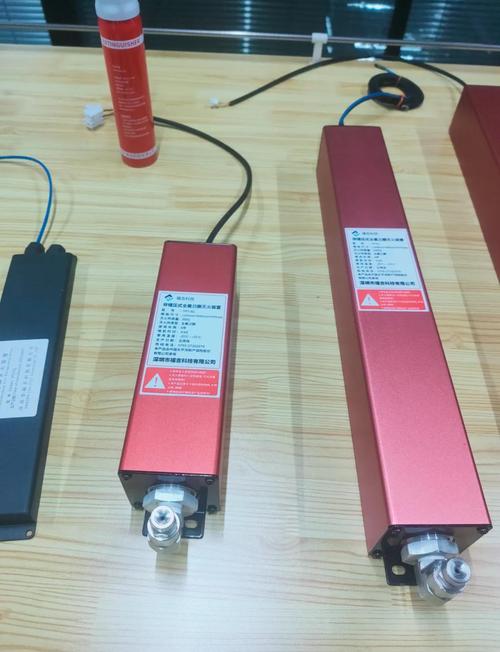
Perfluorohexane automatic fire extinguishing device, precision instrument, distribution cabinet, space fire protection
Category:
Security/Firefighting equipment/Fire extinguishing equipment
Model:
BD-QF300G-BD
Brand:
Baodian Fire Protection
Type of fire extinguishing agent:
Perfluorohexanone
Startup method:
Thermal induction automatic start
Working temperature range:
-20℃~+55℃
insulating property:
≥10kV
Fire extinguishing rating:
Class A/B/E
Bottle body material:
Stainless steel/aluminum alloy
Environmental characteristics:
Zero ozone depletion, low GWP
residue:
residue-free
Retail Price
10,000,000.00USD
重量
kg
- Product Description
-
Type of fire extinguishing agent Perfluorohexanone
Startup method Thermal induction automatic start
Working temperature range -20℃~+55℃
insulating property ≥10kV
Fire extinguishing rating Class A/B/E
Bottle body material Stainless steel/aluminum alloy
Environmental characteristics Zero ozone depletion, low GWP
residue residue-free
Description :
Perfluorohexane automatic fire extinguisher is a new type of fire-fighting equipment based on clean gas fire extinguishing technology, mainly used to solve the initial fire extinguishing problem in enclosed or semi enclosed spaces, especially suitable for typical working conditions that require protection of water sensitive and electric sensitive equipment. It automatically starts through thermal induction, releases perfluorohexane fire extinguishing agent, rapidly reduces the temperature of the fire scene and isolates oxygen, achieving efficient fire extinguishing without leaving any residue. This category has clear boundaries and is mainly targeted at scenarios such as data centers, power distribution cabinets, communication base stations, and precision instrument rooms. Unlike traditional dry powder or water-based fire extinguishers, perfluorohexane automatic fire extinguishers do not require cleaning after extinguishing and will not cause secondary damage to electronic equipment. They are the preferred solution for modern high-value asset protection.
The core specifications of perfluorohexane automatic fire extinguishers involve key indicators such as the purity of the extinguishing agent, filling pressure, and starting temperature. Usually, GA 578 "Ultra fine Dry Powder Fire Extinguishing Agent" or related enterprise standards are implemented, and some high-end models meet UL or FM international certification requirements. The common working temperature range is -20 ℃ to+55 ℃, and the starting components are mostly glass balls or fusible alloys. The operating temperature is often set to 68 ℃ or 93 ℃. The material of the bottle body is generally stainless steel or high-strength aluminum alloy, which has undergone anti-corrosion treatment to ensure long-term stable operation in humid environments. The purity of fire extinguishing agents is usually higher than 99.9%, and the insulation voltage can reach over 10kV, ensuring safety when used near live equipment. These specific parameters form the technical basis of the perfluorohexane automatic fire extinguisher, and the execution standard number and certification mark on the nameplate need to be checked during procurement.
When selecting a perfluorohexane automatic fire extinguisher, it is important to consider the volume of the protected space, the type of fire, and the installation environment. It is suitable for Class A (solid), Class B (liquid), and Class E (live) fires, especially for places with small spaces, unmanned or unsuitable for water firefighting. If there are strong corrosive gases or extreme high temperature environments in the protected area, it is necessary to confirm the corrosion resistance level and temperature limit of the shell material. Compared with heptafluoropropane, perfluorohexane automatic fire extinguishers have a lower global warming potential (GWP) and are more environmentally friendly, but their fire extinguishing efficiency per unit volume is slightly lower, so they may be more expensive in large open spaces. For precision electronic equipment rooms, priority should be given to models with pressure display and fault alarm functions to monitor equipment status in real-time and avoid accidental spraying or failure.
The installation and maintenance of perfluorohexane automatic fire extinguishers directly affect their service life and reliability. When installing, ensure that the nozzle is facing the area where the fire source is most likely to occur, such as cable joints or above battery packs, and is firmly fixed to prevent vibration from causing accidental triggering. It is recommended to check the pressure gauge pointer in the green zone and whether there is rust or damage on the appearance every month for daily maintenance. A comprehensive inspection should be conducted every three years, including weight review of fire extinguishing agents and testing of starting components. Common faults include insufficient pressure, aging of temperature sensing components, or nozzle blockage. If any abnormalities are found, professional personnel should be contacted in a timely manner to replace the components. Proper use and maintenance of perfluorohexane automatic fire extinguishers can ensure rapid response at critical moments, safeguard property safety, and extend the overall service life of the equipment.
AfterSalesService :
Key words:
More Products