
Aerosol automatic fire extinguishing device without pipe network, fully submerged, suitable for distribution cabinet room
Category:
Security/Firefighting equipment/Fire extinguishing equipment
Model:
BD-QR0.3G
Brand:
Baodian Fire Protection
Fire extinguishing principle:
Chemical inhibition and physical cooling
Startup method:
Thermally sensitive automatic/electrically controlled manual
Working voltage:
DC24V/AC220V
response time:
≤10s
Protection rating:
IP55
Working temperature range:
-20℃~+50℃
Particle diameter:
<10μm
Shell material:
Stainless steel/galvanized steel sheet
Suitable for:
Distribution cabinet/cable trench/machine room
Retail Price
10,000,000.00USD
重量
kg
- Product Description
-
Fire extinguishing principle Chemical inhibition and physical cooling
Startup method Thermally sensitive automatic/electrically controlled manual
Working voltage DC24V/AC220V
response time ≤10s
Protection rating IP55
Working temperature range -20℃~+50℃
Particle diameter <10μm
Shell material Stainless steel/galvanized steel sheet
Suitable for Distribution cabinet/cable trench/machine room
Description :
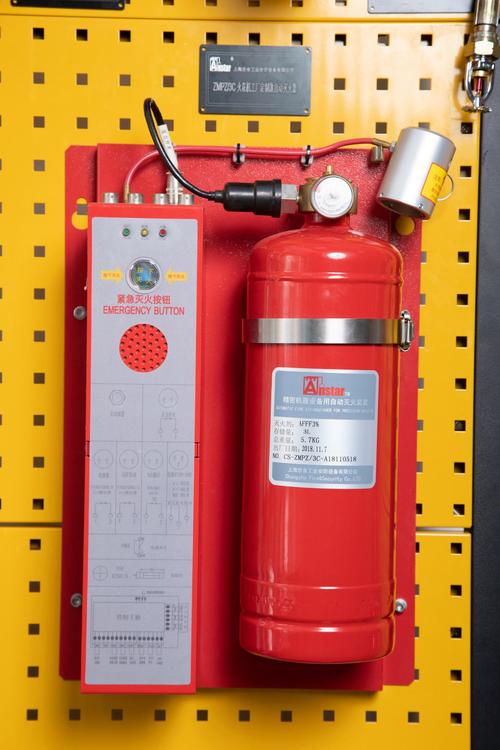
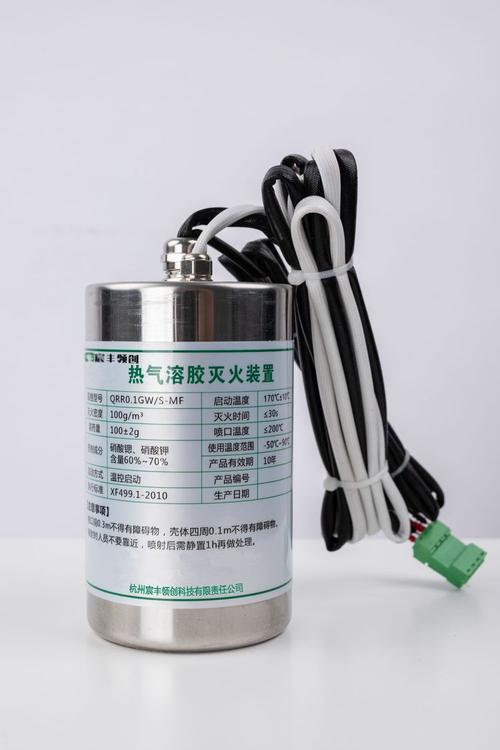
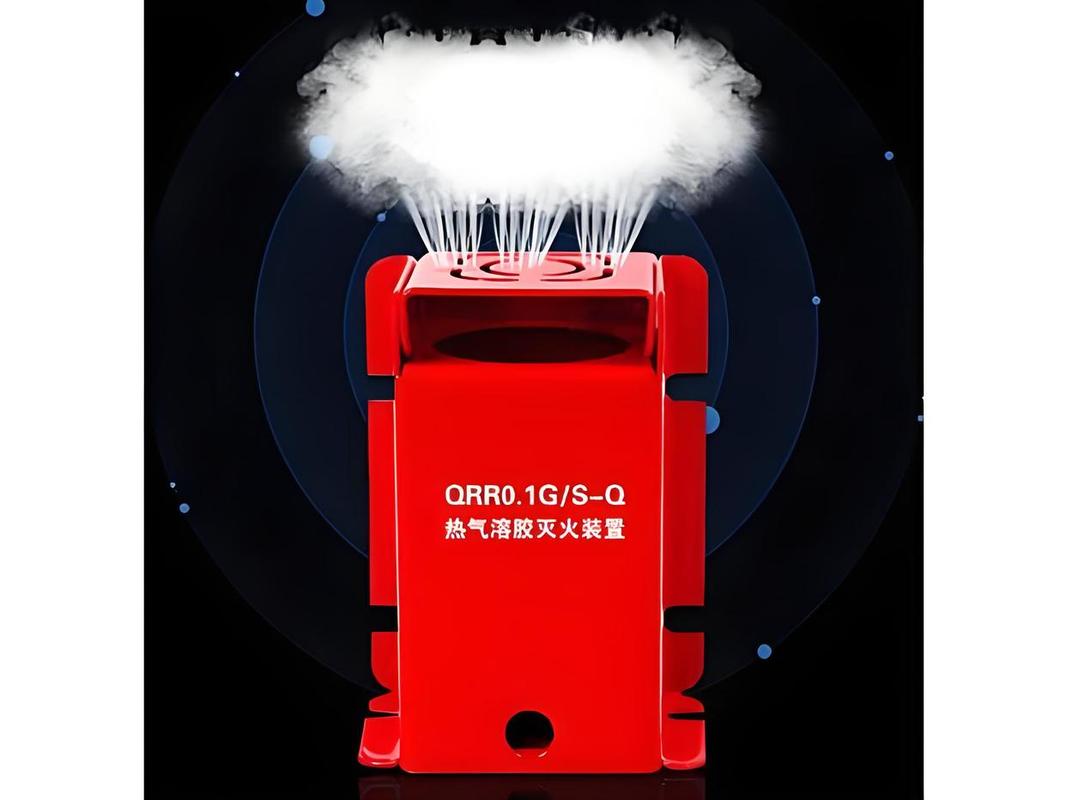
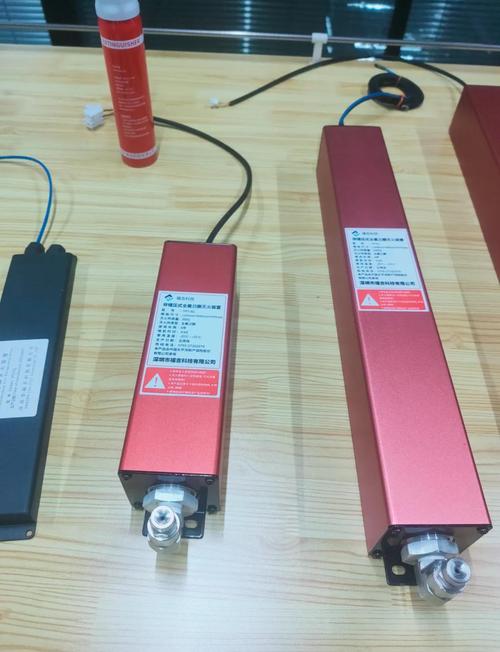
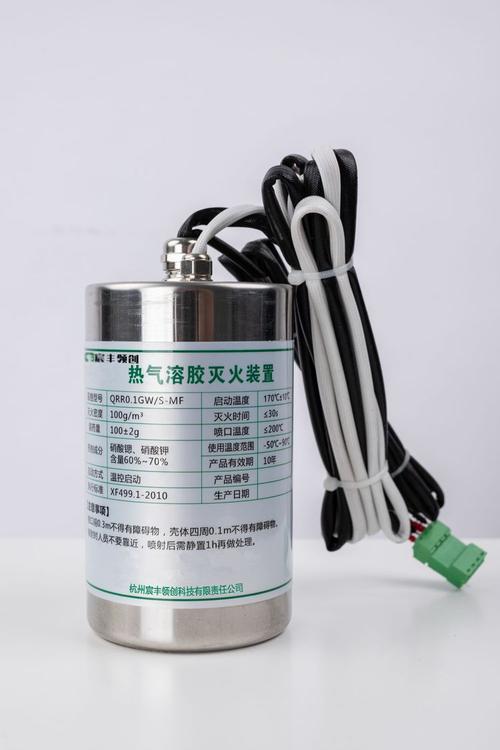
The aerosol automatic fire extinguishing device is a fire-fighting equipment based on the thermal decomposition of solid chemical agents to produce extinguishing aerosols, mainly solving the problem of initial fire extinguishing in enclosed or semi enclosed spaces. The device uses a built-in thermal initiator or electric starter module to quickly release micron sized solid particles and inert gas upon detecting a fire, interrupting the combustion chain reaction through chemical inhibition, while also having a physical cooling effect. Typical working conditions include unmanned distribution rooms, cable trenches, communication base stations, and small computer rooms, which can achieve rapid total flooding fire extinguishing without the need for external water sources and complex pipe networks, effectively protecting precision electronic equipment from water damage. It is an economical alternative to traditional gas fire extinguishing systems.
The specification design of the aerosol automatic fire extinguishing device follows relevant national fire protection technical standards, usually using stainless steel or galvanized steel plate as the shell material, which has good corrosion resistance and mechanical strength. The high-efficiency aerosol generator filled internally is compressed through a special process to ensure storage stability and release efficiency. Refer to industry standards such as GB 50370 "Design Code for Gas Fire Extinguishing Systems" and GA 499.1 "Thermal Aerosol Fire Extinguishing Devices" for implementation standards. The device has a clear starting temperature threshold (such as 170 ℃± 5 ℃) or DC/AC signal interface. The diameter of the released aerosol particles is usually less than 10 microns, which can be evenly distributed and suspended in the protective zone for a long time, ensuring that the fire extinguishing concentration is maintained above the specified time. Through high temperature, low temperature, and vibration testing by third-party testing agencies, it ensures reliable operation in harsh environments.
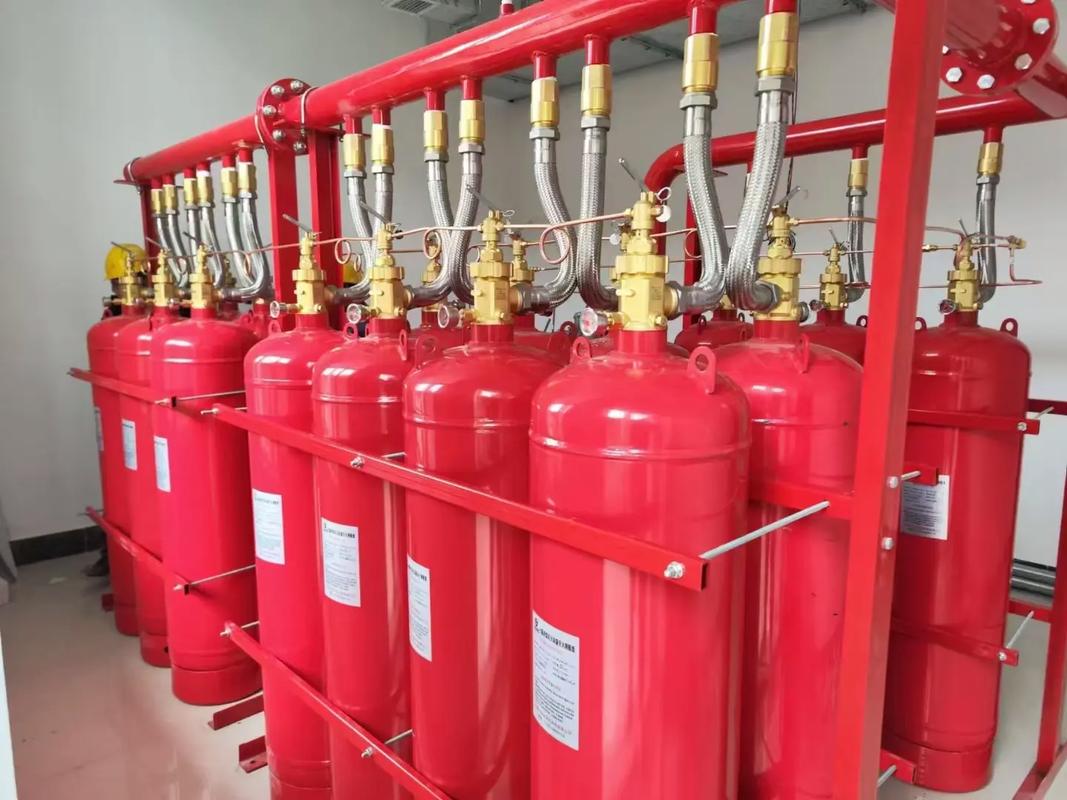
When selecting an aerosol automatic fire extinguishing device, it is important to consider the volume, sealing, and type of protected area. This device is suitable for relatively enclosed spaces such as transformer rooms, archives, ship engine rooms, etc. It is not suitable for open large spaces or places with extremely fast ventilation, as aerosols are prone to loss and result in insufficient concentration. Compared with the heptafluoropropane system, the aerosol device does not require high-pressure steel cylinder storage, is more flexible to install, occupies less space, and has lower maintenance costs in the later stage; However, compared with the fine water mist system, its cleanliness is slightly inferior and it is not suitable for cleanrooms that require extremely high cleanliness. When purchasing, the required dosage of chemicals should be calculated based on the volume of the protective zone, and it should be confirmed whether to choose a hanging, cabinet, or wall mounted installation structure to ensure coverage without dead corners.
The installation of aerosol automatic fire extinguishing devices should be fixed at the top of the protective area or high on the side wall, ensuring that there are no obstacles blocking the direction of the nozzle, so that aerosols can quickly spread. In daily maintenance, it is necessary to regularly check whether the appearance of the device is intact, whether the pressure gauge (if any) indicates normally, and whether the thermal wire or electrical connection wire is damaged or aged. It is recommended to conduct a visual inspection every six months and have a professional organization conduct random checks on the effectiveness of the medication every three years. Common faults include misoperation or startup failure, the former is often caused by damage to the thermistor or electrical interference, while the latter may be due to circuit breakage or controller failure. After use, residual particles should be cleaned to avoid slight dust accumulation on precision instruments, and triggered fire extinguishing units should be replaced in a timely manner to ensure that the system is always in a state of readiness.
AfterSalesService :
Key words:
More Products