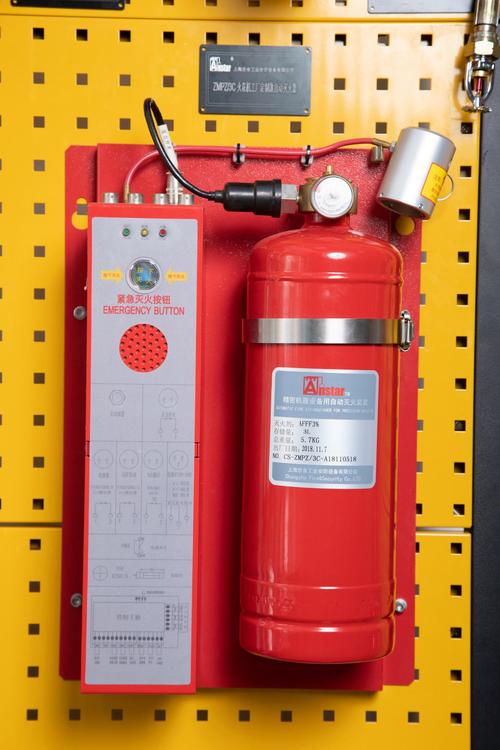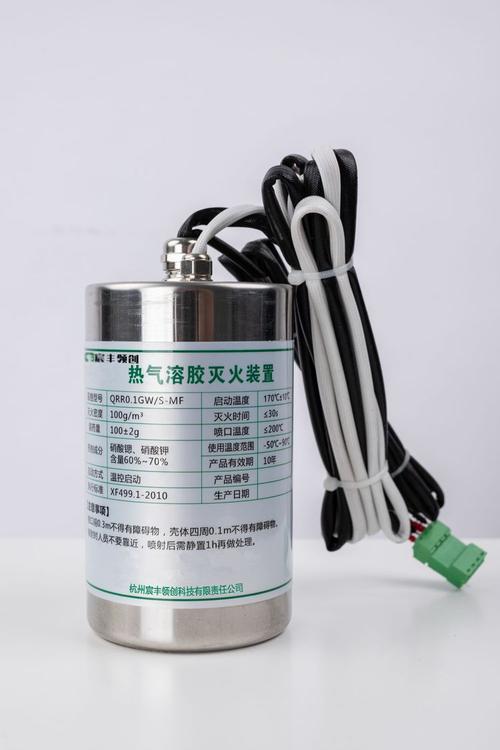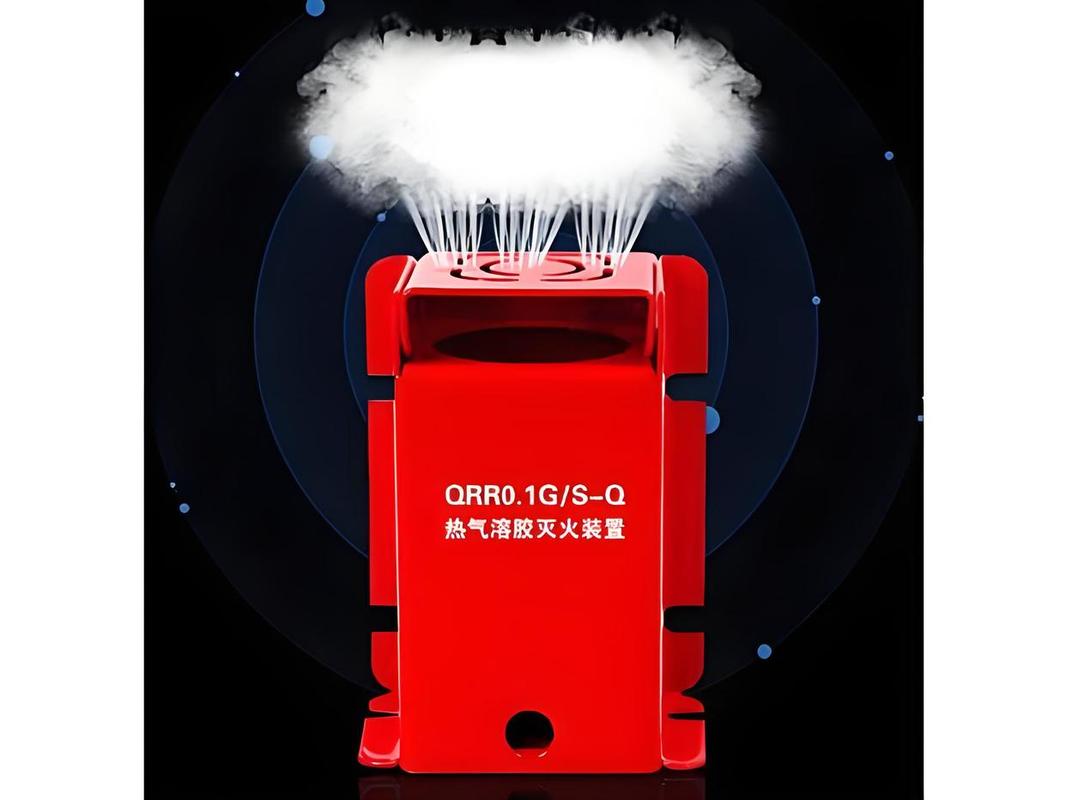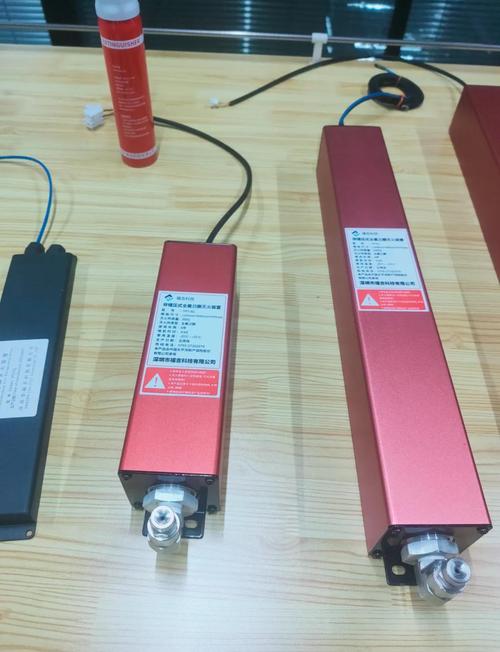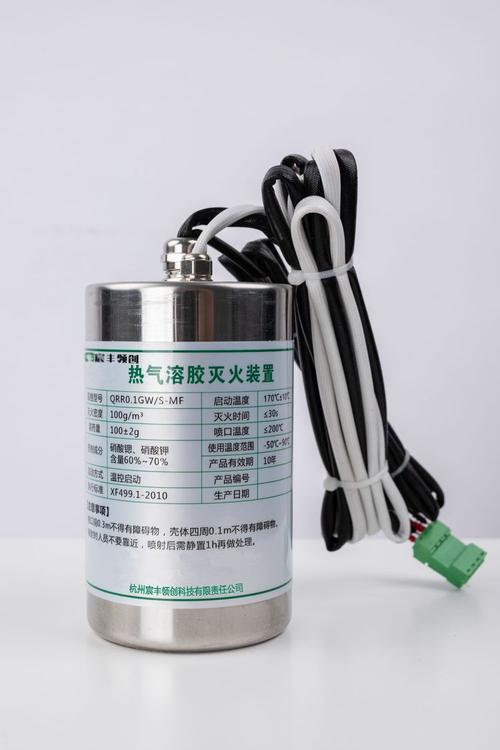

Aerosol automatic fire extinguishing device with fully submerged protection does not require pipeline installation and is convenient
Category:
Security/Firefighting equipment/Fire extinguishing equipment
Model:
BD-QR0.05G
Brand:
Baodian Fire Protection
Startup method:
Thermal/Electric Pulse/Manual
Fire extinguishing type:
Class A/B/C/E fires
Operating temperature:
-20℃~+50℃
response time:
≤10s
Shell material:
Stainless steel/carbon steel
Residual characteristics:
Non conductive/micro residual
Installation Method:
Hanging/wall mounted
Protection rating:
IP54
Retail Price
10,000,000.00USD
重量
kg
- Product Description
-
Startup method Thermal/Electric Pulse/Manual
Fire extinguishing type Class A/B/C/E fires
Operating temperature -20℃~+50℃
response time ≤10s
Shell material Stainless steel/carbon steel
Residual characteristics Non conductive/micro residual
Installation Method Hanging/wall mounted
Protection rating IP54
Description :
Aerosol automatic fire extinguishing device is a fixed fire extinguishing equipment based on the principle of chemical inhibition, mainly used to solve the problem of initial fire extinguishing in enclosed or semi enclosed spaces. It reacts rapidly with solid particulate aerosols upon heating or electrical signal triggering, releasing a large amount of inert gases and metal salt particles, interrupting the combustion chain reaction. This device is typically used in working conditions such as distribution cabinets, cable tunnels, generator rooms, archives, and small computer rooms. It is particularly suitable for small and complex spaces where traditional water or gas pipelines are difficult to lay. It can achieve rapid response and efficient fire extinguishing during the golden time of a fire, protecting critical electrical equipment and precious data from damage.
The specification design of this aerosol automatic fire extinguishing device is compact, usually using stainless steel or anti-corrosion treated carbon steel shell to ensure long-term stable operation in harsh environments. Common startup methods include automatic thermal wire startup, electric pulse signal startup, and manual emergency startup, with response times typically controlled within a few seconds to tens of seconds. The implementation standard follows GB 50370 "Design Code for Gas Fire Extinguishing Systems" and relevant aerosol fire extinguishing technical regulations, and some products have passed the mandatory certification of fire protection products (CCCF). The aerosol generator filled inside the device is compressed through special processes to ensure stable combustion rate. The residue after injection is minimal and non-conductive, and will not cause secondary damage to precision electronic components. The working temperature range usually covers -20 ℃ to+50 ℃, which is suitable for most indoor environments.
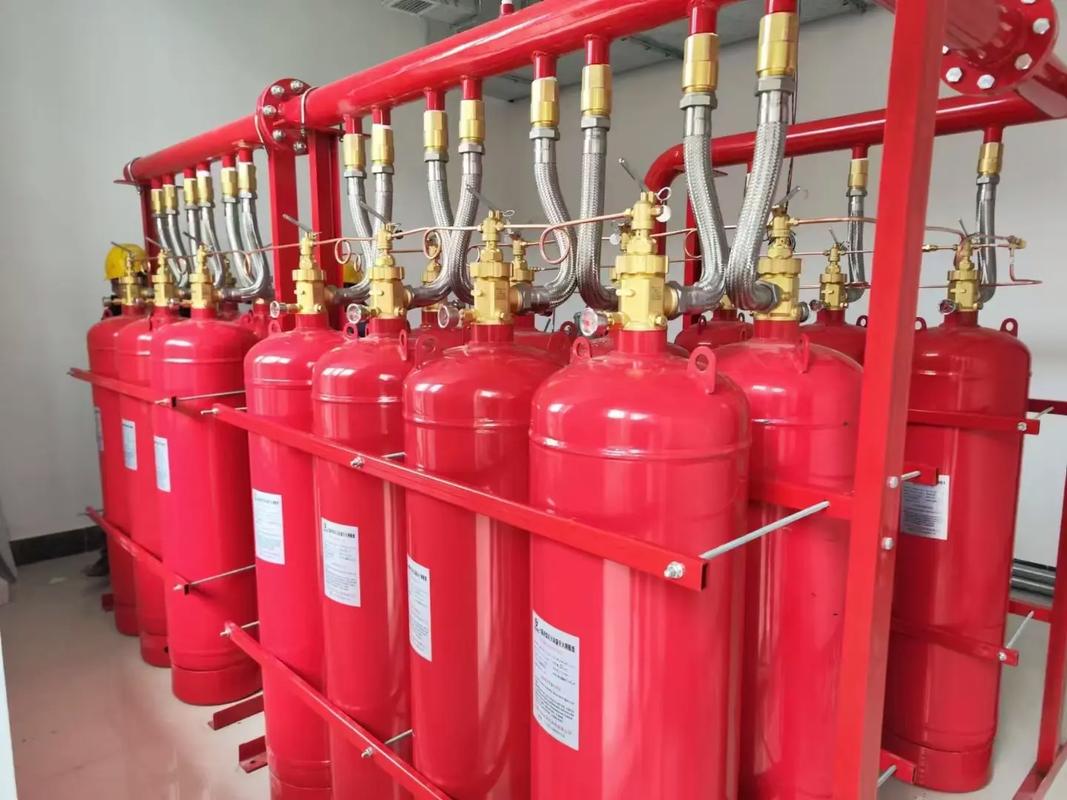
When selecting an aerosol automatic fire extinguishing device, it is important to consider the volume, sealing, and type of fire in the protected area. It is suitable for Class A (solid surfaces), Class B (liquids), Class C (gases), and Class E (live equipment) fires, especially for unmanned or difficult to evacuate locations. Compared with traditional heptafluoropropane or carbon dioxide systems, aerosol devices do not require high-pressure storage containers or complex pipeline transportation systems, significantly reducing installation costs and maintenance difficulties. But it is not recommended to use it in densely populated areas where timely evacuation is not possible, as spraying will generate certain high temperature smoke and obstruct vision. For open large spaces or areas with strong ventilation, it is not recommended to use such devices because aerosol particles are easily lost and the fire extinguishing concentration is difficult to maintain.
When installing an aerosol automatic fire extinguishing device, it should be fixed at the top or above the protective area to ensure that the spray nozzle is unobstructed, so that aerosol particles can spread evenly throughout the space. In daily maintenance, it is necessary to regularly check whether the appearance of the device is intact, whether the nameplate identification is clear, whether the thermal wire or electrical lead is damaged, and confirm that the pressure gauge or status indicator is in the normal position (if any). It is recommended to conduct a visual inspection and circuit connectivity test every six months, and have a professional organization sample test or replace the agent as a whole every three years to prevent the agent from becoming damp and ineffective. Common faults include false alarms or open circuits in the starting line. When troubleshooting, it is important to focus on checking the connection status between the control module and the detector to ensure that the system can operate reliably in emergency situations.
AfterSalesService :
Key words:
More Products