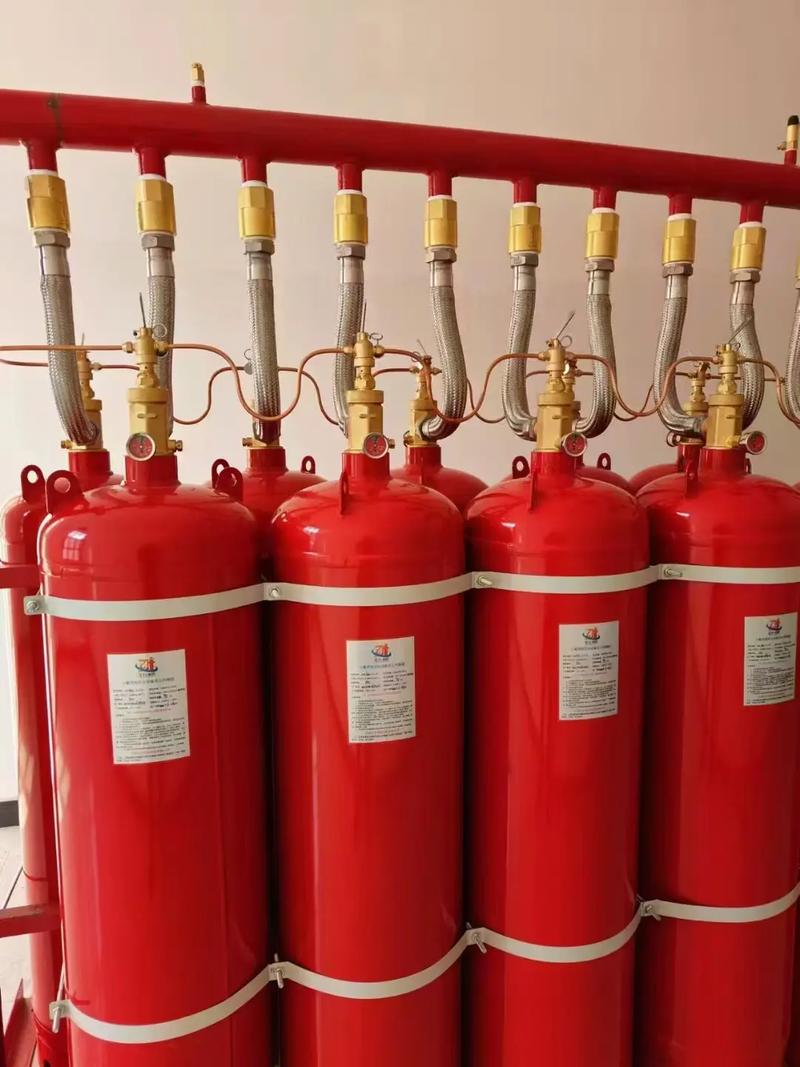

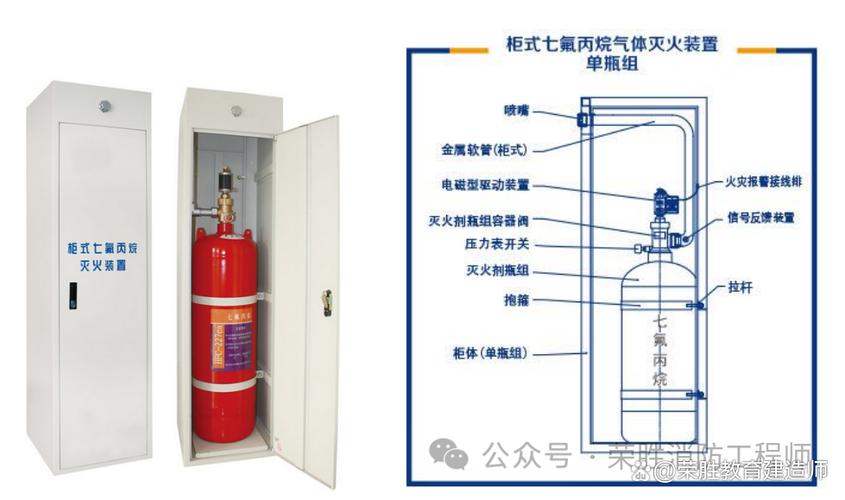
Perfluorohexane heptafluoropropane fire extinguishing device cabinet type pipeline type clean gas fire extinguishing equipment
Category:
Security/Firefighting equipment/Fire extinguishing equipment
Model:
BD-QF40G
Brand:
Baodian Fire Protection
Type of fire extinguishing agent:
Perfluorohexane/heptafluoropropane
work pressure:
2.5MPa/4.2MPa
Startup method:
Electromagnetic/manual/mechanical emergency
Temperature range for use:
-10℃~50℃
Fire extinguishing rating:
Class A/Class B/Class C/Electrical Fire
Spray time:
≤10s
Immersion time:
≥10min
Ozone Depletion Potential (ODP):
0
Execution Standard:
GB50370/GB25972
Retail Price
10,000,000.00USD
重量
kg
- Product Description
-
Type of fire extinguishing agent Perfluorohexane/heptafluoropropane
work pressure 2.5MPa/4.2MPa
Startup method Electromagnetic/manual/mechanical emergency
Temperature range for use -10℃~50℃
Fire extinguishing rating Class A/Class B/Class C/Electrical Fire
Spray time ≤10s
Immersion time ≥10min
Ozone Depletion Potential (ODP) 0
Execution Standard GB50370/GB25972
Description :
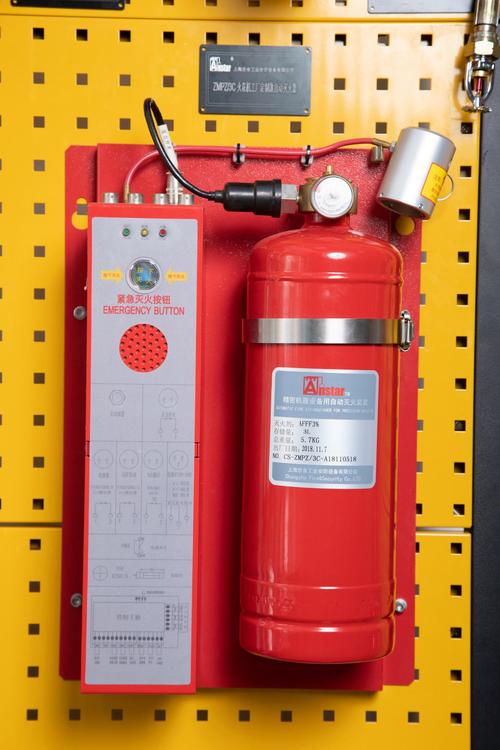
The perfluorohexane heptafluoropropane fire extinguishing device is an efficient and environmentally friendly clean gas fire-fighting equipment, mainly used to protect valuable electronic equipment, data centers, archives, and precision instrument places. This fire extinguishing device uses a dual effect of chemical suppression and physical cooling to extinguish Class A, B, C, and electrical fires in a very short time. After extinguishing, there is no residue, no conductivity, and no damage to the protected object, solving the problem of secondary damage that may be caused by traditional water spray or dry powder fire extinguishing. It is particularly suitable for working environments with extremely high cleanliness requirements.
The fire extinguishing device usually consists of a fire extinguishing agent storage container, container valve, selector valve, one-way valve, nozzle, and fire detection control part. The implementation standards comply with the requirements of GB50370 "Design Specification for Gas Fire Extinguishing Systems" and GB25972 "Gas Fire Extinguishing Systems and Components". Perfluorohexane has a boiling point of about 49 ℃ and is a liquid at room temperature. It quickly vaporizes after spraying; Heptafluoropropane is stored in liquid form and sprayed in gaseous form. The common working pressure is 2.5MPa or 4.2MPa (heptafluoropropane), and perfluorohexane is mostly stored under normal pressure or low pressure. The device needs to pass the National Compulsory Certification for Fire Products (CCCF) to ensure stable operation at ambient temperatures ranging from -10 ℃ to 50 ℃. The nozzle layout needs to be determined through hydraulic calculations to ensure that the fire extinguishing concentration in the protective zone meets the design specifications.
When selecting, it is necessary to clarify the volume of the protective zone, the type of fire, and the on-site installation conditions. Cabinet fire extinguishing devices do not require dedicated gas cylinder rooms and can be directly placed in protective areas, suitable for small and medium-sized spaces; Pipeline based fire extinguishing devices are suitable for multiple protective areas or large spaces and require the installation of pipelines. Perfluorohexane has an ozone depletion potential (ODP) of 0, a very low global warming potential (GWP), and is safer than heptafluoropropane, but its cost is relatively high; Heptafluoropropane technology is mature and cost-effective, but it may produce a small amount of hydrofluoric acid at high temperatures. If there are people on duty in the protected area, it is necessary to strictly control the fire extinguishing immersion time and set up delayed spraying and sound and light alarms to ensure the safe evacuation of personnel. The response speed can be optimized in unmanned areas.
When installing the perfluorohexane heptafluoropropane fire extinguishing device, it is necessary to ensure that the storage bottle is firmly fixed, the pipeline connection is well sealed, and the nozzle direction avoids the position where personnel often stay. Daily maintenance recommendations include checking the pressure gauge reading monthly to ensure it is in the green zone, and conducting an annual weighing test to confirm that there is no leakage of the fire extinguishing agent. Regularly check the functionality of fire detectors, controllers, and sound and light alarms. For simulated start-up tests, disconnect the start-up pipeline to prevent accidental spraying. Common faults include insufficient pressure, open circuit of solenoid valve coil, or poor contact of control circuit. If any abnormalities are found, professional maintenance personnel should be contacted immediately for inspection. Non professionals are strictly prohibited from disassembling bottle head valves or filling fire extinguishing agents without authorization to ensure that the system is always in a state of readiness.
AfterSalesService :
Key words:
More Products