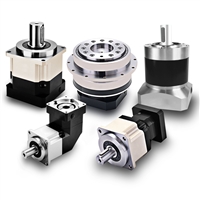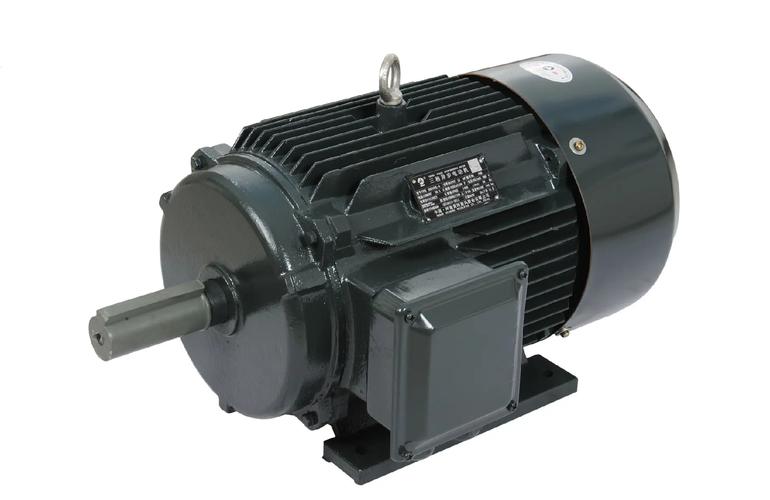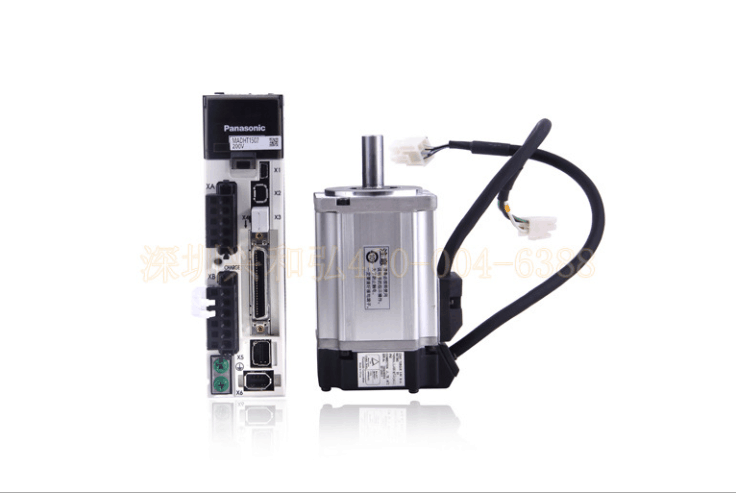

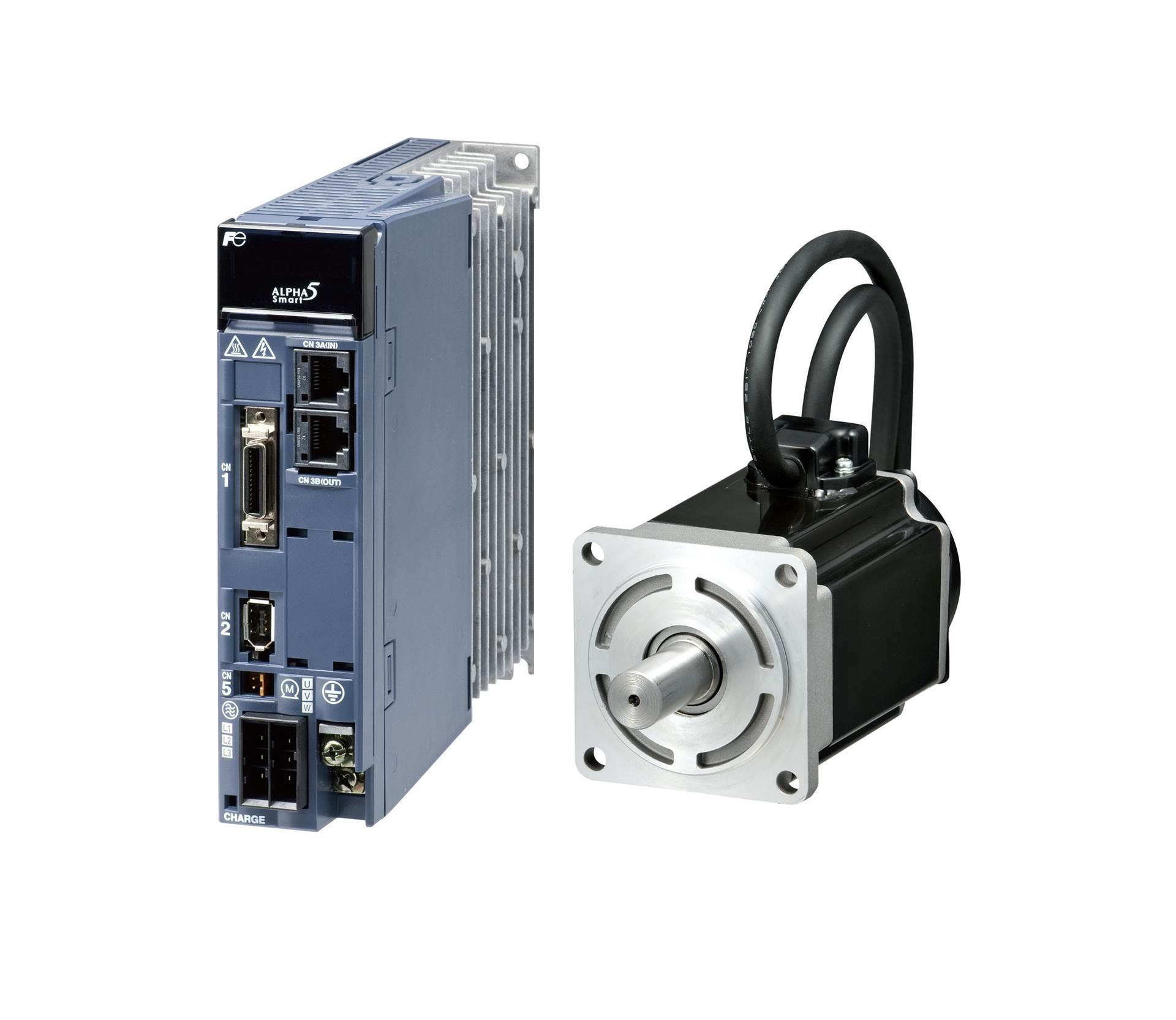
Alpa servo motor with high precision, low inertia, fast response, suitable for automation equipment
Category:
Electrical Engineering/motor/servo motor
Model:
Universal
Brand:
Alpa
Rated voltage:
220V/380V
Rated speed:
3000rpm
Encoder resolution:
2500ppr
Protection rating:
IP65
insulation class:
Grade F
working system:
S1 continuous working system
cooling method:
Natural cooling/forced air cooling
Installation Method:
B5 flange installation
Retail Price
10,000,000.00USD
重量
kg
- Product Description
-
Rated voltage 220V/380V
Rated speed 3000rpm
Encoder resolution 2500ppr
Protection rating IP65
insulation class Grade F
working system S1 continuous working system
cooling method Natural cooling/forced air cooling
Installation Method B5 flange installation
Description :
Alpa servo motor is an actuator that converts electrical signals into precise mechanical motion, mainly used to meet the high-precision control requirements for position, speed, and torque in automation control systems. Typical working conditions of this category include CNC machine tool feed axis, industrial robot joint drive, packaging machinery synchronous positioning, and other scenarios. As the core power source of the closed-loop control system, the Alpa servo motor provides real-time feedback on the rotor position through an encoder, and works with a driver to achieve millisecond level dynamic response, effectively eliminating accumulated errors and ensuring that the repeated positioning accuracy during long-term operation is stable at the micrometer level, meeting the strict requirements of modern intelligent manufacturing for efficient and precise execution.
The specifications of Alpa servo motors cover various flange sizes and power levels, with common body lengths ranging from compact 40mm to large 180mm, and rated power ranges typically from 50W to 7.5kW. The shell is mostly made of high-strength aluminum alloy die-casting technology, with a protection level of IP65 or above, suitable for harsh industrial environments such as dust and oil pollution. The internal permanent magnet is made of rare earth materials with high residual magnetic induction intensity, and the stator winding adopts centralized or distributed winding method to reduce cogging torque. The implementation standards usually comply with the IEC60034 series of international electrical standards and have passed certifications such as CE and RoHS. The insulation level is mostly F or H, allowing short-term overload multiples up to 2-3 times the rated torque, ensuring thermal stability and mechanical strength during frequent start stop and acceleration/deceleration processes.
When selecting Alpa servo motors, it is important to distinguish between the application boundaries of AC servo and DC servo. Currently, the mainstream in the industry is AC permanent magnet synchronous servo. Choose the appropriate inertia type based on the load inertia ratio: low inertia type is suitable for high-speed and high-frequency reciprocating motion, such as electronic assembly equipment; The high inertia type is suitable for smooth operation under large loads, such as the mold closing mechanism of injection molding machines. If the working condition involves vertical axis drive, it is necessary to confirm whether the motor is equipped with a built-in brake to prevent slipping due to power failure. Compared with stepper motors, Alpa servo motors do not experience torque attenuation or step loss risk at high speeds, but their cost is relatively high; Compared with variable frequency asynchronous motors, its low-speed stability and dynamic response speed are significantly better, making it suitable for multi axis linkage scenarios with extremely high synchronization requirements.
When installing the Alpa servo motor, attention should be paid to controlling the concentricity deviation of the coupling within 0.05mm to avoid damaging the bearings due to excessive radial force. The cable wiring should separate the power line from the encoder signal line and be well grounded to suppress electromagnetic interference affecting feedback accuracy. The typical service life depends on the bearing life and insulation aging rate. It is recommended to check the carbon brush (if any) or bearing lubrication status every 20000 hours of operation. Daily maintenance requires regular cleaning of dust on the cooling fan to prevent overheating alarms. Common faults include absolute value loss caused by low encoder battery voltage, overcurrent or overload errors reported by the driver. At this time, it is necessary to check whether the mechanical load is stuck or whether the wiring terminals are loose, rather than blindly replacing the motor body.
AfterSalesService :
Key words: