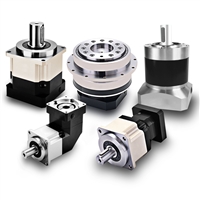

Precision harmonic reducer with high torque and low backlash
Category:
mechanical equipment/Reducer, gearbox/Reducer, gearbox
Model:
Universal
Brand:
Alpa
backlash:
≤20 arc-sec
rated torque:
Depending on the model
Material:
Alloy steel/special heat treatment
lubrication method:
Lubricating grease lubrication
Operating temperature:
-10 ℃ to+40 ℃
Retail Price
10,000,000.00USD
重量
kg
- Product Description
-
backlash ≤20 arc-sec
rated torque Depending on the model
Material Alloy steel/special heat treatment
lubrication method Lubricating grease lubrication
Operating temperature -10 ℃ to+40 ℃
Description :
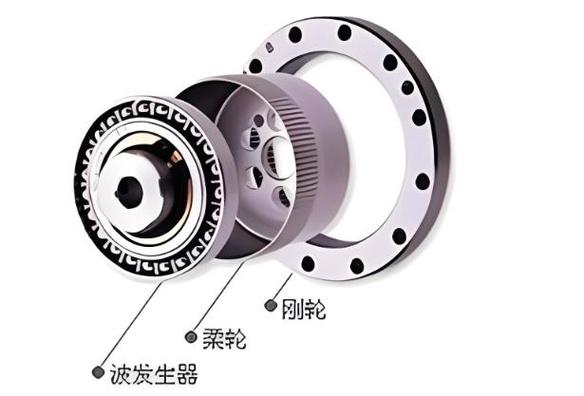
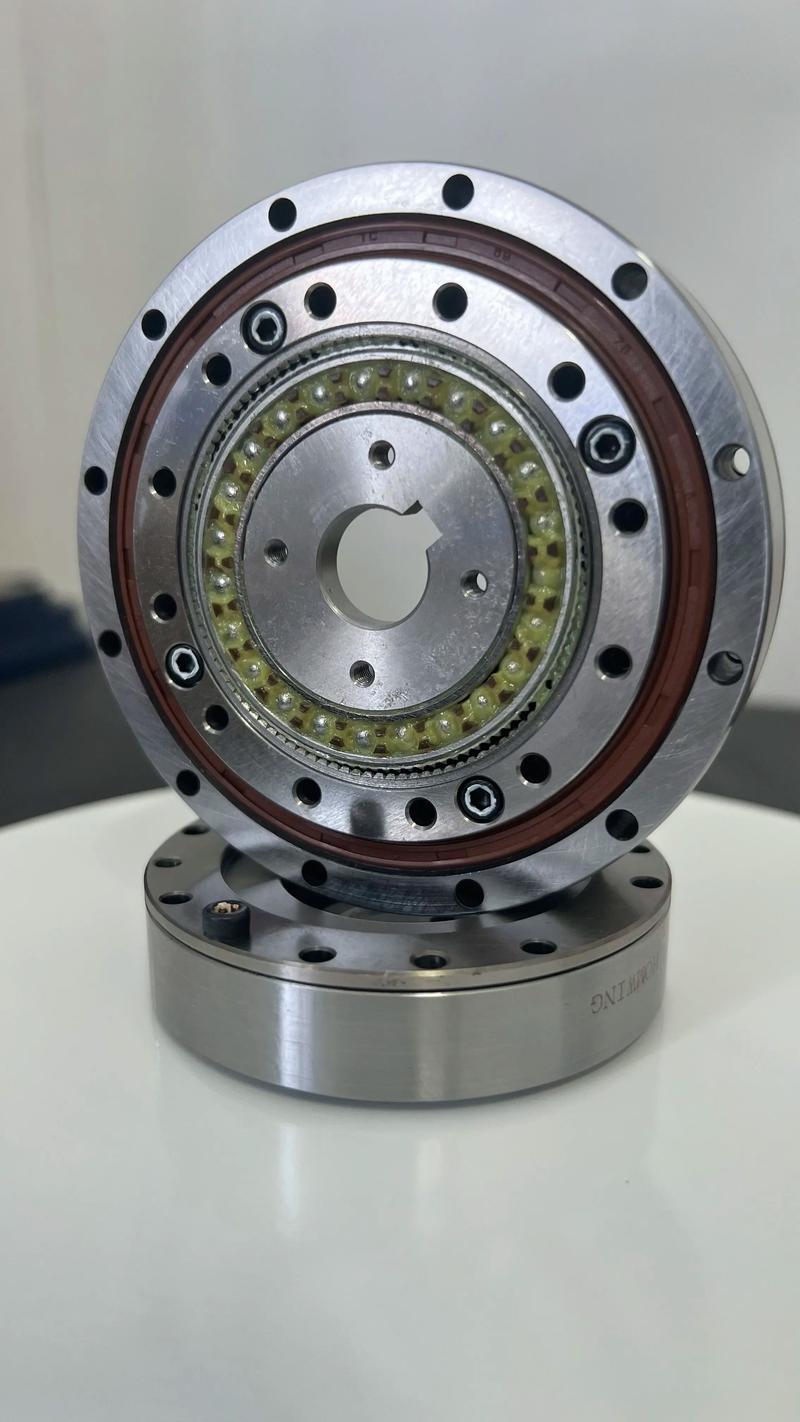
Harmonic reducer is a high-precision transmission device that relies on flexible gears to generate elastic deformation to transmit motion and power. It mainly solves the problem of traditional rigid transmission being difficult to achieve high reduction ratio and high torque output in narrow spaces. Typical working conditions include industrial robot joints, precision machine tool turntables, and aerospace servo mechanisms. This category achieves zero or minimal backlash motion transmission through the combination of wave generators, flexible wheels, and rigid wheels, ensuring extremely high levels of positioning accuracy and repeat positioning accuracy. It is a key choice for the core execution components of modern automation equipment.
The core specifications of harmonic reducers involve parameters such as reduction ratio, rated torque, allowable peak torque, backlash value, and transmission efficiency. The common reduction ratio range is usually between 50:1 and 160:1, and some special models can be extended to higher ratios. In terms of materials, flexible wheels often use high-strength alloy steel and undergo special heat treatment to improve fatigue life, while rigid wheels use high rigidity steel. The manufacturing process requires strict control of gear tooth profile accuracy and assembly clearance, in accordance with JB/T or enterprise high-precision standards. The testing process includes no-load starting torque, backlash testing, and life testing to ensure the stability and reliability of the product during long-term operation, meeting the strict requirements of precision transmission for dimensional and positional tolerances.
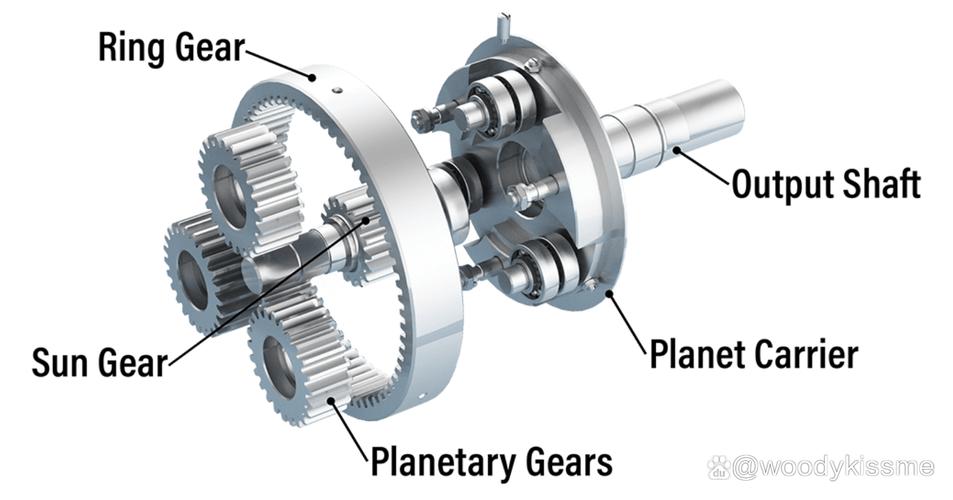
When selecting, it is necessary to clarify the load type, input speed, installation space limitations, and accuracy requirements. Harmonic reducers are suitable for scenarios that require compact structure, high torsional stiffness, and high precision, such as SCARA robots, collaborative robotic arms, and optical adjustment frames. Not applicable scenarios include high-power heavy-duty transmission or extremely high impact load environments, in which case planetary gearboxes or RV gearboxes may be more suitable. Compared with planetary gearboxes, harmonic gearboxes have smaller volume, lighter weight, and lower backlash, but their impact resistance is relatively weaker; Compared with RV reducers, it has more cost advantages and lightweight characteristics under small and medium loads. The purchaser needs to weigh the differences in stiffness, lifespan, and cost according to specific working conditions.
When installing harmonic reducers, attention should be paid to coaxiality calibration to avoid radial or axial loads exceeding the allowable range, which may damage the flexible wheel bearings. The typical usage cycle depends on the lubrication status and load conditions. It is generally recommended to check the status of the lubricating grease every thousands of hours and regularly replace the special lubricating grease according to the frequency of use. The focus of daily maintenance is to monitor abnormal noise, temperature rise, and vibration. Common faults such as decreased output accuracy are often caused by fatigue cracks or poor lubrication of the flexible wheel, and need to be stopped and inspected in a timely manner. Proper installation and standardized maintenance can significantly extend the service life of harmonic reducers, ensure long-term stable operation of equipment, and reduce overall operation and maintenance costs.
AfterSalesService :
Key words:
More Products