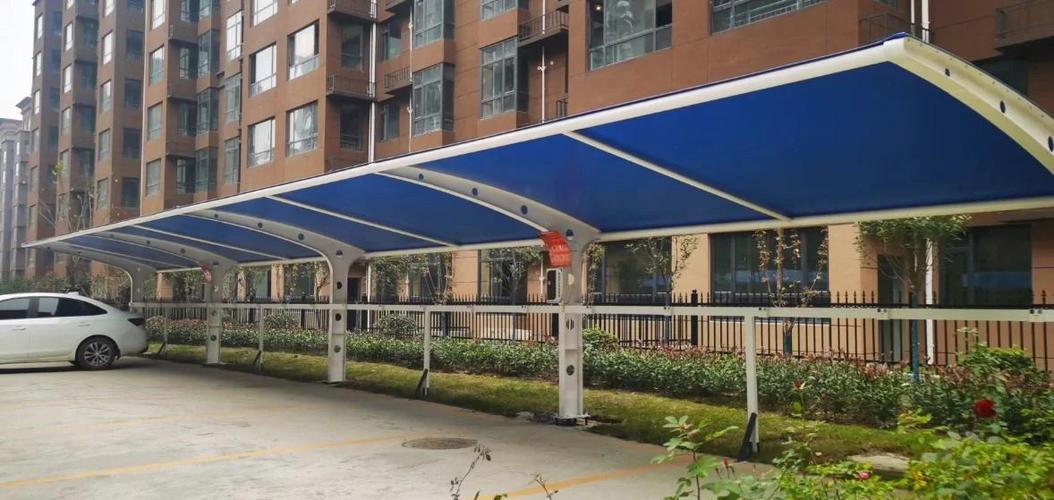

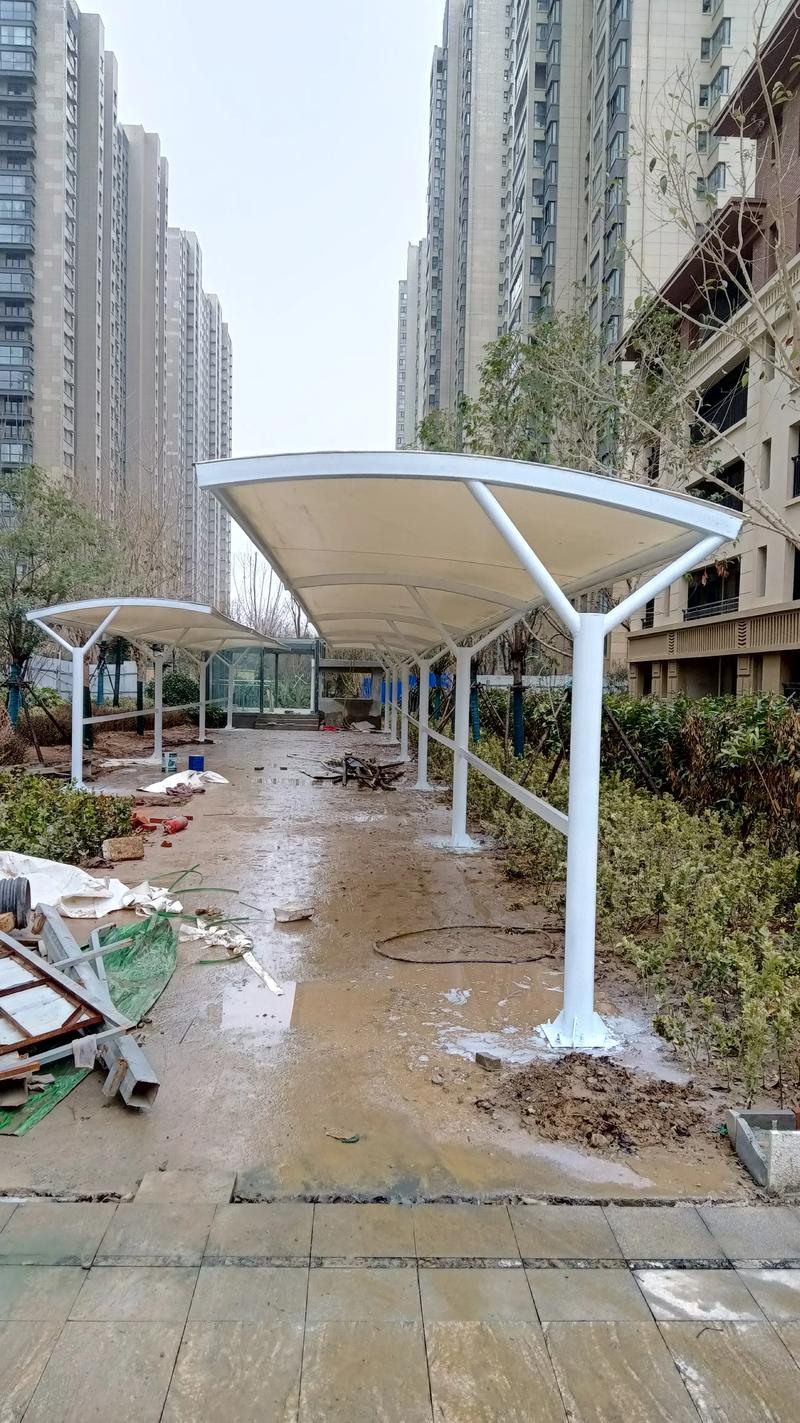
Customized installation of durable rainproof and sunshade parking shed for steel structure carport at Tianjin Jucai Huixin Steel Plant
Category:
Transportation/Parking lot equipment/Parking shed
Model:
Any size is available for customization
Brand:
Jucai Huixin
Main material:
Q235B Carbon Steel
Surface Treatment:
Hot dip galvanizing/spray coating
Ceiling material:
Color steel tile/PC endurance board
wind resistance rating:
Level 8-10
Applicable Models:
Sedan/SUV/electric vehicle
structural form:
Column and crossbeam type
anti-corrosion process:
Multi layer anti rust coating
Installation Method:
Embedded parts fixing
Retail Price
10,000,000.00USD
重量
kg
- Product Description
-
Main material Q235B Carbon Steel
Surface Treatment Hot dip galvanizing/spray coating
Ceiling material Color steel tile/PC endurance board
wind resistance rating Level 8-10
Applicable Models Sedan/SUV/electric vehicle
structural form Column and crossbeam type
anti-corrosion process Multi layer anti rust coating
Installation Method Embedded parts fixing
Description :
A carport is an outdoor shelter facility used to protect vehicles from natural environmental factors such as sun exposure, rain, snow, and freezing. It mainly solves the problem of aging and acceleration of private cars, electric vehicles, bicycles and other transportation vehicles when parked outdoors, extending the service life of vehicles. Typical working conditions include residential parking lots, office areas of enterprises and institutions, school campuses, and public commercial plazas. The carport structure is usually composed of columns, beams, and top covering materials, which have basic functions of windproof, rainproof, and sun protection. It is an indispensable basic supporting facility in modern urban static traffic management.
The main structure of the carport is mostly made of high-quality carbon structural steel or Q235B steel, which has undergone rust removal, anti-corrosion coating or hot-dip galvanizing treatment to ensure durability in harsh outdoor environments. Common options for top covering materials include color steel tiles, polycarbonate panels (PC endurance panels), or membrane structural materials, with the specific thickness depending on the design load. The implementation standard refers to the national steel structure engineering construction quality acceptance specification, and the welding parts need to undergo non-destructive testing or visual inspection. The conventional wind resistance level can reach 8-10 levels, and the snow load capacity is designed based on local meteorological data, generally not less than 0.3kN/m2, to ensure structural safety and stability.
When selecting, the size of the carport should be determined based on the number of parking spaces. It is recommended that the width of a single parking space be no less than 2.5 meters and the length be no less than 5 meters. If used for large buses or trucks, the height and span need to be increased. Similar categories such as canopies differ in that carports are specifically designed for vehicles, with greater load-bearing capacity and span, and typically include drainage systems. Not applicable scenarios include areas with soft geology and no foundation treatment, or coastal typhoon areas with frequent ultra-high wind speeds and no reinforcement measures. The purchaser should pay attention to the thickness of the steel wall, the age of the anti-corrosion process, and the transparency or thermal insulation performance of the top material to match the actual usage needs.
Concrete foundation pouring must be completed before installation, and the position error of embedded parts should be controlled within millimeters. It is recommended to check the connecting bolts for looseness and whether there are signs of paint peeling or rust on the surface of the steel structure every six months for daily maintenance. If found, touch up the paint in a timely manner. The top material needs to be cleaned regularly to prevent dust accumulation, bird droppings corrosion, or blockage of the drainage channel. Common faults include top material cracking, water leakage, or structural shaking, often caused by improper installation or material aging. Proper maintenance can significantly extend the service life of the carport, maintain its functional integrity and appearance cleanliness, and reduce long-term operating costs.
AfterSalesService :
Key words:
More Products