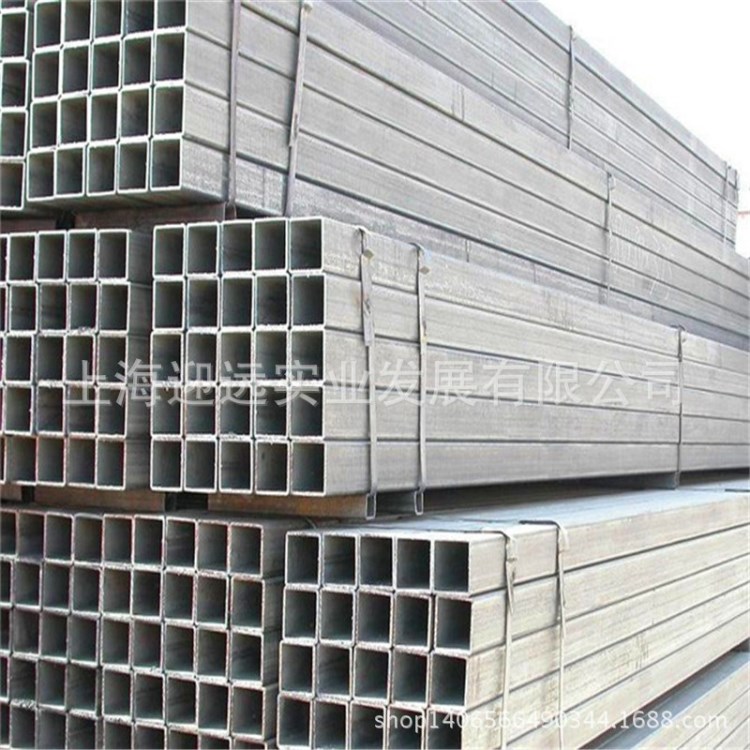

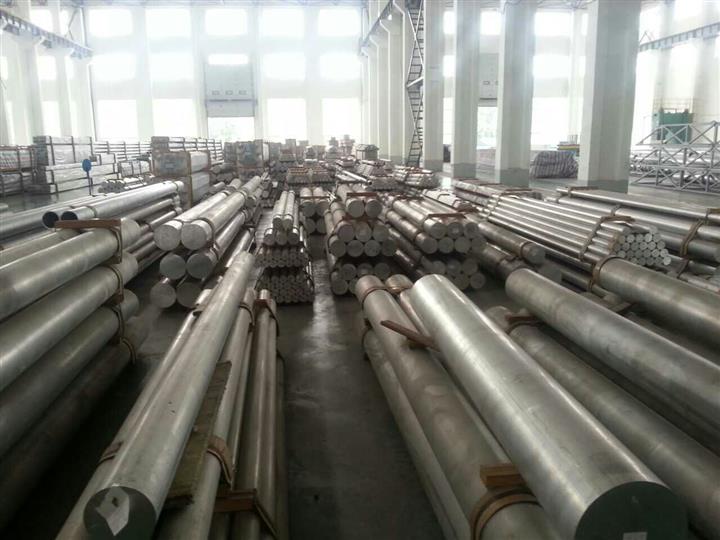
Tianjin Jucai Huixin Square Tube Hot Rolled and Cold drawn Rectangular Steel Tube Building Structure Machinery Materials
Category:
building materials/Construction and building materials pipes/Square tube
Model:
Any size is available for customization
Brand:
Jucai Huixin
Material:
Q235B/Q345B
Execution Standard:
GB/T 6728-2017
production process:
Hot rolling/cold drawing/high-frequency welding
Surface Treatment:
Black skin/galvanized/painted
cross-sectional shape:
Square/Rectangular
Application Fields:
Building structure/mechanical manufacturing
length:
6m/12m or customized
Packaging method:
Bundled/Loose
Retail Price
10,000,000.00USD
重量
kg
- Product Description
-
Material Q235B/Q345B
Execution Standard GB/T 6728-2017
production process Hot rolling/cold drawing/high-frequency welding
Surface Treatment Black skin/galvanized/painted
cross-sectional shape Square/Rectangular
Application Fields Building structure/mechanical manufacturing
length 6m/12m or customized
Packaging method Bundled/Loose
Description :
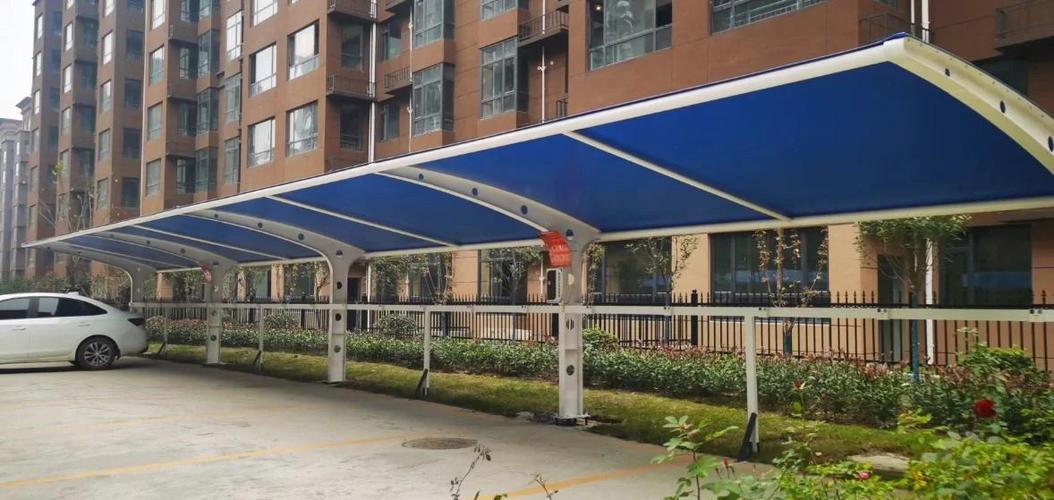
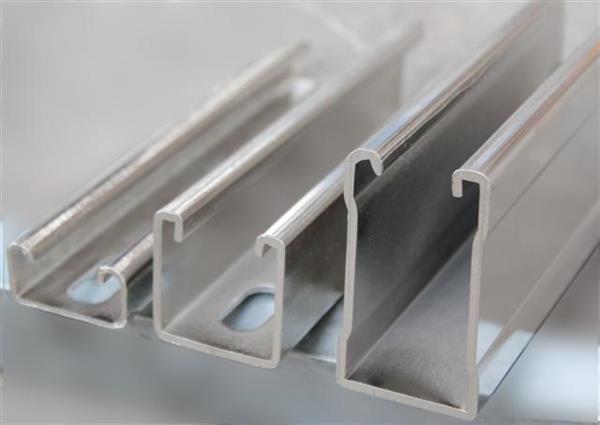
Square tube is a lightweight thin-walled steel pipe with a hollow square cross-section, also known as a cold-formed steel profile. It is a square section steel with dimensions made by cold bending Q235 hot-rolled or cold-rolled strip or coil as the base material, and then high-frequency welding. Except for the increase in wall thickness, the corner dimensions and edge flatness of hot-rolled extra thick walled square tubes reach or even exceed the level of resistance welded cold-formed square tubes. Good comprehensive mechanical properties, weldability, cold and hot processing performance, and corrosion resistance, with good low-temperature toughness. Widely used in building structures, mechanical manufacturing, and steel structure engineering to solve problems such as complex and heavy connections of traditional profiles.
The specifications of square tubes are usually expressed as side length x side length x wall thickness, and the unit is generally millimeters (mm). Common implementation standards include GB/T 6728-2017 "Cold formed hollow section steel for structural use", GB/T 3094-2012 "Cold drawn special-shaped steel pipes", etc. The materials are mostly carbon structural steel such as Q235B and Q345B, or low-alloy high-strength structural steel. Surface treatment methods include black coating, galvanizing (hot-dip galvanizing or electro galvanizing), painting, etc., to meet the anti-corrosion requirements in different environments. During the production process, multiple processes such as unwinding, leveling, curling, welding, cooling, sizing, straightening, and cutting are required to ensure dimensional accuracy and surface quality. The inspection items include dimensional deviation, curvature, uneven wall thickness, surface defects, and mechanical performance testing.
When selecting, the wall thickness and material should be determined based on the actual load-bearing requirements. For general building structures, Q235B material is sufficient to meet the requirements; If used for heavy machinery or structures that bear large dynamic loads, it is recommended to use Q345B or higher strength materials. Pay attention to distinguishing between hot-rolled square tubes and cold drawn square tubes. The former has a larger size range and thicker wall thickness, making it suitable for large structures; The latter has high dimensional accuracy and a smooth surface, making it suitable for precision mechanical components. Not applicable scenarios include situations where strong corrosive environments have not undergone special anti-corrosion treatment, and situations where special alloy materials have not been selected for extreme working conditions such as ultra-high or ultra-low temperatures. Compared with circular pipes, square pipes have more advantages in terms of bending and twisting resistance and connection convenience, but their compressive stability is slightly inferior to circular pipes of the same weight.
When installing square pipes, attention should be paid to the flatness of the cutting surface, and oil and rust stains should be removed before welding to ensure the quality of the weld seam. Long term storage should be placed in a dry and ventilated place to avoid rusting caused by rain and moisture. When storing outdoors, it is necessary to place a cushion and cover underneath. Daily maintenance mainly checks whether the connection nodes are loose, whether there are cracks in the welds, and whether the surface anti-corrosion layer is damaged. If local rust is found, it should be polished and repainted with anti rust paint in a timely manner. Common faults include deformation caused by overload, cracking caused by welding stress concentration, etc., which require regular inspections and timely replacement of damaged parts. During transportation, violent collisions should be avoided to prevent deformation of the pipe body or surface scratches, which may affect subsequent use and aesthetics.
AfterSalesService :
Key words:
More Products