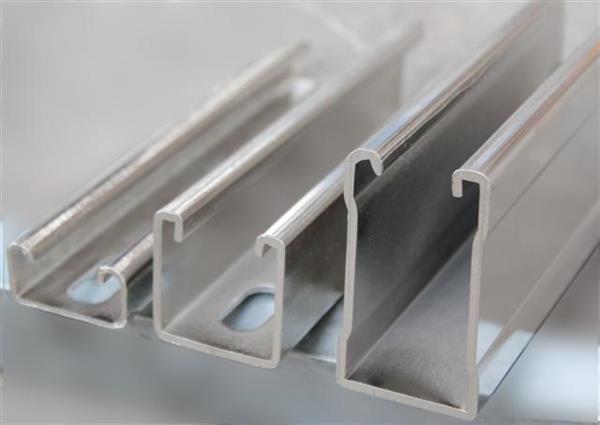

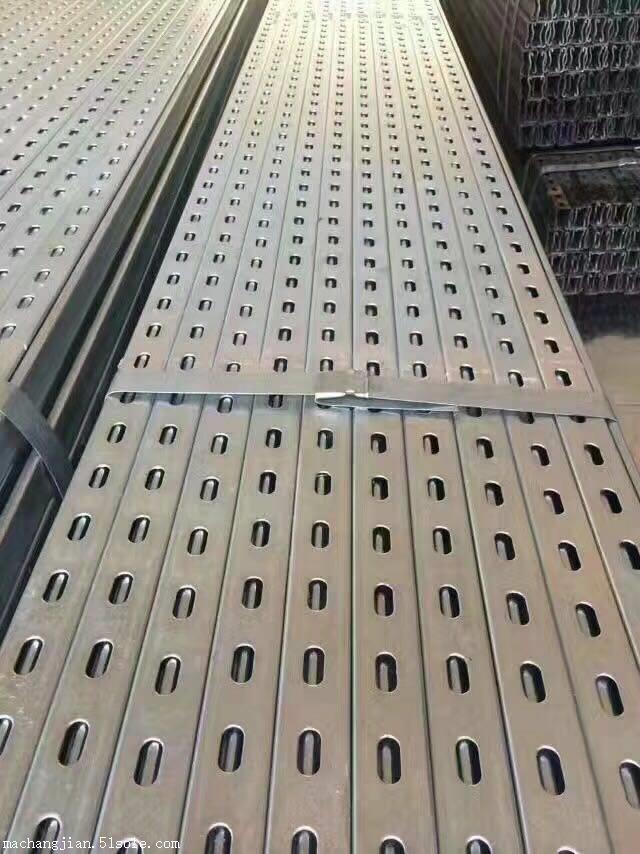
Hot dip galvanized photovoltaic bracket made of C-shaped steel and U-shaped steel with high corrosion resistance. Tianjin Jucai Huixin Steel Plant
Category:
energy/Photovoltaic power generation system/Photovoltaic bracket
Model:
Any size is available for customization
Brand:
Jucai Huixin
Material:
Q235B/Q355B hot-dip galvanized steel
Surface Treatment:
hot-dip galvanizing
zinc coating thickness:
≥65μm
Common Specifications:
C41 × 41/C41 × 52/U-shaped
Applicable lifespan:
≥ 25 years
Execution Standard:
NB/T 10115-2018
connection method:
Bolt assembly
Place of Origin:
Tianjin
Retail Price
10,000,000.00USD
重量
kg
- Product Description
-
Material Q235B/Q355B hot-dip galvanized steel
Surface Treatment hot-dip galvanizing
zinc coating thickness ≥65μm
Common Specifications C41 × 41/C41 × 52/U-shaped
Applicable lifespan ≥ 25 years
Execution Standard NB/T 10115-2018
connection method Bolt assembly
Place of Origin Tianjin
Description :
Photovoltaic bracket is a special bracket designed for placing, installing, and fixing solar panels in solar photovoltaic power generation systems. The general materials used are aluminum alloy, stainless steel, and hot-dip galvanized steel, which solve the problem of stable support for photovoltaic modules in complex outdoor environments. Typical working conditions include roof distributed power stations, ground centralized power stations, and agricultural photovoltaic complementary projects. The photovoltaic brackets produced by Tianjin Jucai Huixin Iron and Steel Plant have high load-bearing capacity and can resist extreme weather loads such as strong winds and heavy snow, ensuring the stable operation of the photovoltaic system throughout its lifecycle. They are the core components of the photovoltaic power plant infrastructure.
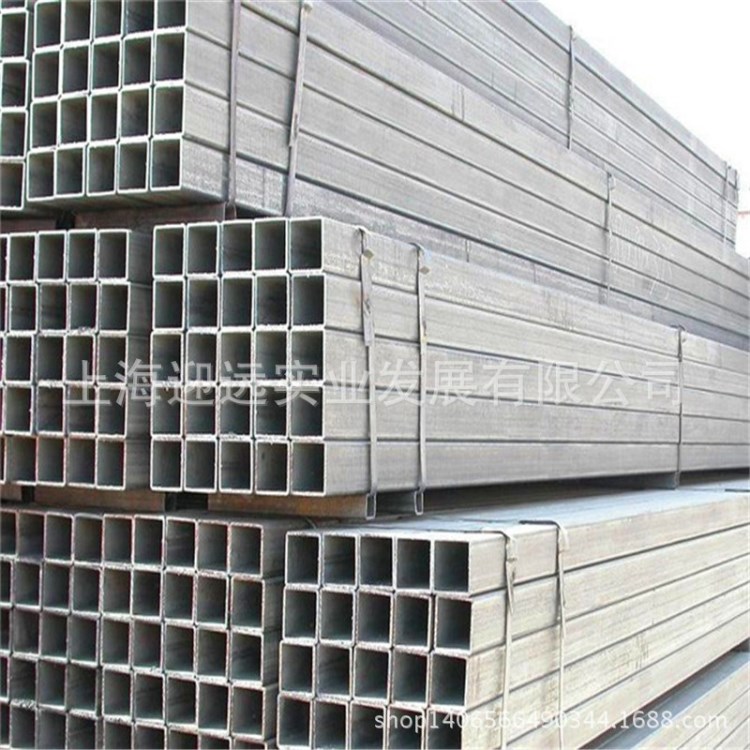
The photovoltaic bracket is mainly made of high-quality carbon structural steel Q235B or Q355B, and the surface is hot-dip galvanized. The thickness of the zinc layer is usually controlled between 65 μ m-85 μ m, which meets the technical requirements of GB/T 13912 for hot-dip galvanized coating of metal cladding steel parts. Common specifications include C-shaped steel 41 × 41 × 2.0mm, 41 × 52 × 2.5mm, and U-shaped steel. The length can be customized and cut according to on-site requirements. The implementation standard refers to NB/T 10115-2018 Photovoltaic Support Structure Design Regulations. All components have undergone strict dimensional tolerance control and anti-corrosion testing to ensure that they have weather resistance for more than 25 years in corrosive environments such as humidity and salt spray, meeting the material standards for long-term operation of photovoltaic power plants.
When selecting, the section modulus and wall thickness of the bracket should be calculated based on the wind pressure and snow pressure data of the installation location. For roof projects, aluminum alloy or light load C-shaped steel brackets are often used to reduce the burden on the roof, while ground power stations tend to use high-strength hot-dip galvanized steel brackets to reduce costs and improve wind resistance. The photovoltaic brackets provided by Tianjin Jucai Huixin Steel Plant are suitable for various scenarios such as flat roofs, sloping roofs, and cement floors, and are not suitable for areas with extremely unstable geological conditions or without foundation treatment. Compared with welded brackets, prefabricated brackets are more convenient to install and have no risk of welding point corrosion. When purchasing, it is necessary to clarify whether the material of the connecting parts is stainless steel 304 to ensure the electrochemical compatibility of the overall system.
Before installing the photovoltaic bracket, it is necessary to confirm the flatness and spacing error of the foundation embedded parts. It is recommended to use a torque wrench to tighten the bolts according to the design torque to avoid over tightening causing slippage or loosening caused by over loosening. During daily maintenance, it is necessary to regularly check whether the galvanized layer on the surface of the bracket is scratched or peeled off. If local rust is found, it should be promptly repaired with zinc rich paint to prevent the expansion of rust and affect the structural strength. There is no need for large-scale replacement during the typical usage cycle, but the drainage and connection node status need to be checked before and after the rainy season every year. Common faults are bolt loosening or missing accessories. Timely tightening and supplementation can ensure the long-term safe service of photovoltaic brackets and maintain power generation efficiency.
AfterSalesService :
Key words:
More Products