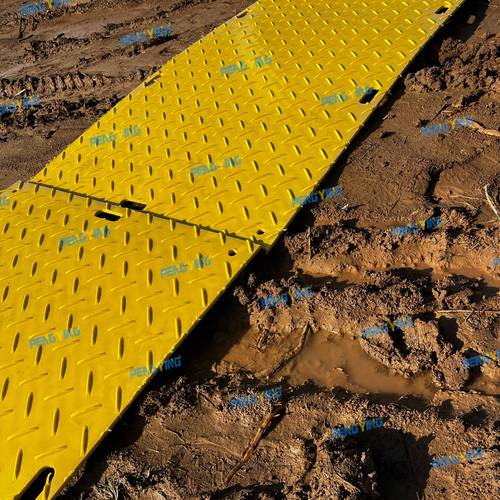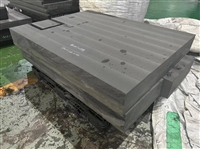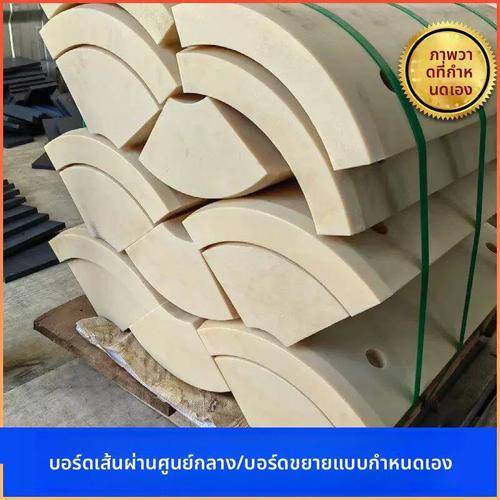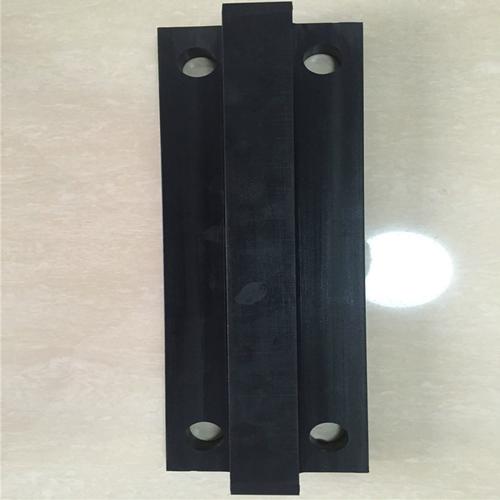

High strength polyethylene paving board temporary road base plate wear-resistant and compressive construction pad
Category:
Rubber and plastic/Plastic board/PE plastic board
Model:
HQFH
Brand:
Shandong Huaqing Fuheng Plastic Industry Technolog
Material:
High molecular weight polyethylene (HDPE/UHMW-PE)
Common sizes:
1m×2m / 1.5m×3m / 2m×4m
thickness range:
20mm - 50mm
Single piece load-bearing capacity:
≥ 200 tons (dynamic)
Operating temperature:
-40℃ ~ +80℃
surface texture:
Anti slip pattern/raised point design
connection method:
Special connection pin/buckle splicing
Characteristics:
Wear resistant/corrosion-resistant/impact resistant/lightweight
Retail Price
10,000,000.00USD
重量
kg
- Product Description
-
Material High molecular weight polyethylene (HDPE/UHMW-PE)
Common sizes 1m×2m / 1.5m×3m / 2m×4m
thickness range 20mm - 50mm
Single piece load-bearing capacity ≥ 200 tons (dynamic)
Operating temperature -40℃ ~ +80℃
surface texture Anti slip pattern/raised point design
connection method Special connection pin/buckle splicing
Characteristics Wear resistant/corrosion-resistant/impact resistant/lightweight
Description :
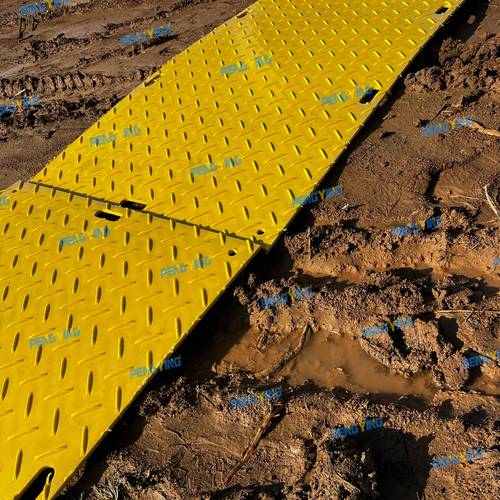
Polyethylene paving board is a temporary road paving board made of high molecular weight polyethylene material through molding or extrusion technology, mainly used to solve the problem of vehicle traffic in complex working conditions such as soft ground, muddy construction sites, swamps and wetlands. As an alternative upgraded product for road substrates, it has significant advantages such as light weight, high strength, corrosion resistance, and impact resistance. It can effectively disperse the pressure of heavy machinery on the ground, prevent vehicles from getting stuck, and ensure construction progress. This category is widely used in construction sites, oil drilling platforms, power repair, agricultural and forestry operations, and large outdoor activity sites. It is an indispensable infrastructure auxiliary material in modern construction and is suitable for the temporary passage construction of various wheeled and tracked engineering machinery.
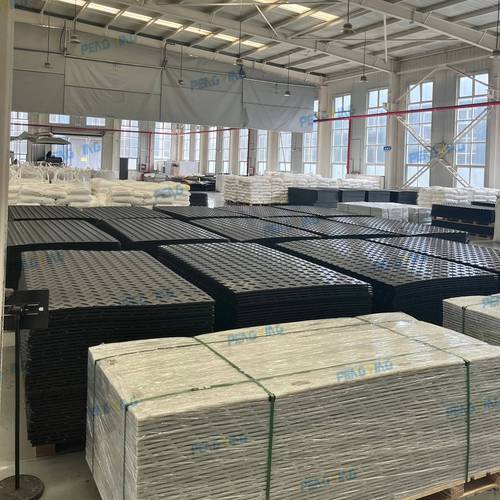
In terms of specifications and processes, polyethylene paving boards usually use pure new materials such as HDPE (high-density polyethylene) or UHMW-PE (ultra-high molecular weight polyethylene) as raw materials, and are often reinforced with glass fibers or metal frames to enhance their load-bearing capacity. Common sizes include standard specifications such as 1 meter x 2 meters, 1.5 meters x 3 meters, and 2 meters x 4 meters. The thickness is mostly between 20mm and 50mm, and can be customized according to load-bearing requirements. The surface design has anti slip patterns or protrusions to ensure friction in rainy and snowy weather. The product complies with relevant national standards for plastic sheets and has excellent chemical corrosion resistance, which can resist acid, alkali and salt erosion. The working temperature range is usually between -40 ℃ and+80 ℃, and the long-term service life can reach 5-10 years. It is also recyclable and meets environmental protection requirements.
When selecting, it is important to consider the ground bearing capacity and mechanical tonnage. For light vehicles or pedestrian walkways, ordinary polyethylene paving boards with a thickness of 20-30mm can be selected; For high load conditions such as heavy trucks, excavators, and cranes, it is recommended to use reinforced subgrade plates with a thickness of 40mm or more and containing reinforcing bars or steel frame structures. Compared with ordinary steel plate pavement boards, polyethylene pavement boards weigh only 1/7 of steel plates, and do not require large lifting equipment for transportation and installation. They can be laid manually without damaging the original road surface or vegetation, and have a high residual value for recycling. If the ground is extremely soft or there are sharp stones, it is recommended to lay geotextile or fine sand layer at the bottom first to extend the service life of the board and prevent local stress concentration from causing fracture.
In terms of installation and maintenance, the polyethylene paving board adopts a splicing design, and some models are equipped with dedicated connecting pins or buckles. When laying, it is necessary to ensure that the connection between the boards is tight to avoid displacement or warping during driving. In daily use, the surface of the board should be regularly cleaned of soil, sand, and gravel to prevent accumulation from affecting anti slip performance or accelerating wear. Although it has excellent wear resistance, it should be avoided from prolonged severe impact from sharp objects or direct contact with high-temperature sources of fire. If severe deformation, cracks, or damaged connections are found in the board, the damaged board should be replaced in a timely manner to ensure safe passage. When storing, it should be placed flat in a cool and dry place to avoid aging caused by prolonged exposure to sunlight. Proper maintenance can significantly prolong the turnover and use of polyethylene paving boards.
AfterSalesService :
Key words:
More Products