
High thermal conductivity insulation silicone grease CPU graphics card heat dissipation paste computer electronic component cooling filling material
Category:
Digital computer/Computer accessories/Silicone grease
Model:
TG
Brand:
Shentong Qiyuan
thermal conductivity:
1.5-3.0 W/m·K
Operating temperature:
-50℃~200℃
specific gravity:
2.4-2.6 g/cm³
insulation:
Good
color:
grey
Packaging Specifications:
Standard support
Shelf life:
24 months
Environmental Standards:
Compliant with RoHS
Retail Price
10,000,000.00USD
重量
kg
- Product Description
-
thermal conductivity 1.5-3.0 W/m·K
Operating temperature -50℃~200℃
specific gravity 2.4-2.6 g/cm³
insulation Good
color grey
Packaging Specifications Standard support
Shelf life 24 months
Environmental Standards Compliant with RoHS
Description :
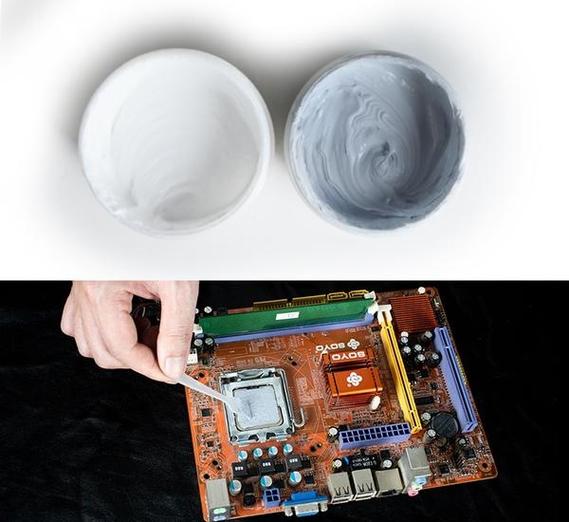
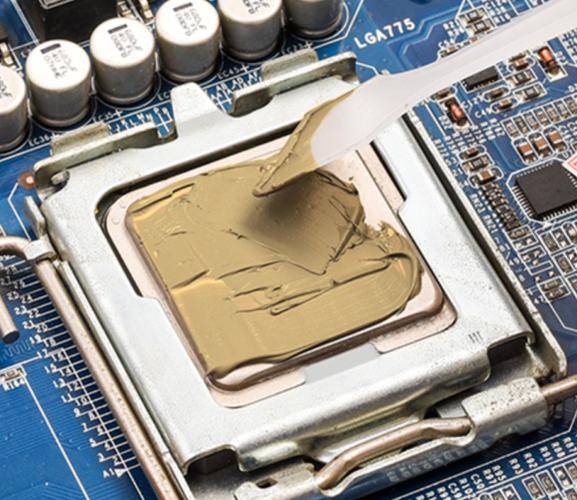
Thermal conductive silicone grease is a thermal interface material made mainly from organic silicone and added with materials with excellent heat resistance and thermal conductivity. It mainly solves the problem of air gap between electronic components and heat sinks due to micro unevenness on the surface. Air is a poor conductor of heat and can seriously hinder heat transfer. By filling these tiny gaps, thermal conductive silicone grease can significantly reduce contact thermal resistance and improve heat dissipation efficiency. This product is widely used in the bonding surface between heating elements such as CPUs, GPUs, power transistors, LED modules, and heat sinks, ensuring that the equipment maintains a suitable working temperature under high load operation and preventing performance degradation or hardware damage caused by overheating. It is an indispensable basic auxiliary material in electronic device heat dissipation systems.
The thermal conductivity of conventional thermal conductive silicone grease is usually between 1.0W/m · K and 5.0W/m · K, and some high-performance products can reach even higher values. Its working temperature range is wide, generally able to maintain physical stability at temperatures ranging from -50 ℃ to 200 ℃ or even higher, without solidifying, flowing, or separating oil. The material has excellent electrical insulation performance and high volume resistivity, ensuring safety when used on circuit boards. Moderate viscosity, good thixotropy, easy to apply by scraping. The product complies with the RoHS environmental directive requirements, is non-toxic and odorless, and has no corrosive effect on common substrates such as metals and plastics. Long term storage stability is good, it is not easy to dry and solidify, ensuring a good paste like form before construction, and ensuring sustained and effective thermal conductivity.
When selecting, special attention should be paid to indicators such as thermal conductivity, viscosity, and the presence of silicone oil. For high-power processors such as high-end CPUs and discrete graphics cards, it is recommended to choose products with a thermal conductivity higher than 3.0W/m · K for better heat dissipation; For ordinary office computers or low-power chips, conventional models can meet the needs. If the application environment has extremely high requirements for electrical insulation, it is necessary to confirm the dielectric strength of the product. Pay attention to distinguishing between thermal grease and thermal pads. Silicone grease is suitable for scenarios with extremely small gaps (micrometer level) and requires tight fitting, while larger gaps or irregular surfaces are more suitable for using thermal pads. In addition, it is advisable to avoid purchasing products that are too cheap and prone to cracking, in order to avoid affecting long-term heat dissipation reliability. During construction, the coating should be thin and uniform, as excessive thickness can increase thermal resistance and affect the final heat dissipation performance.
Before installation, it is necessary to thoroughly remove the old silicone grease and dust on the contact surface, which can be wiped clean with anhydrous alcohol and dried. When applying, use the "five point method" or "cross method" to use the pressure of the radiator to naturally flatten and avoid the formation of bubbles. In daily maintenance, it is recommended to check the condition of silicone grease every 1-2 years. If dry cracking, powdering, or hardening is found, it should be cleaned and reapplied in a timely manner. The common fault is that the standby temperature of the equipment is normal, but the temperature rapidly rises under high load, which often indicates the failure or uneven application of silicone grease. Do not use sharp metal tools to scratch the surface of the chip core during replacement to avoid scratching the circuit. When storing, it should be placed in a cool and dry place, sealed, and protected from direct sunlight and high temperatures to extend the product's lifespan and maintain optimal physical properties.
AfterSalesService :
Key words:
More Products