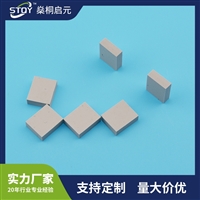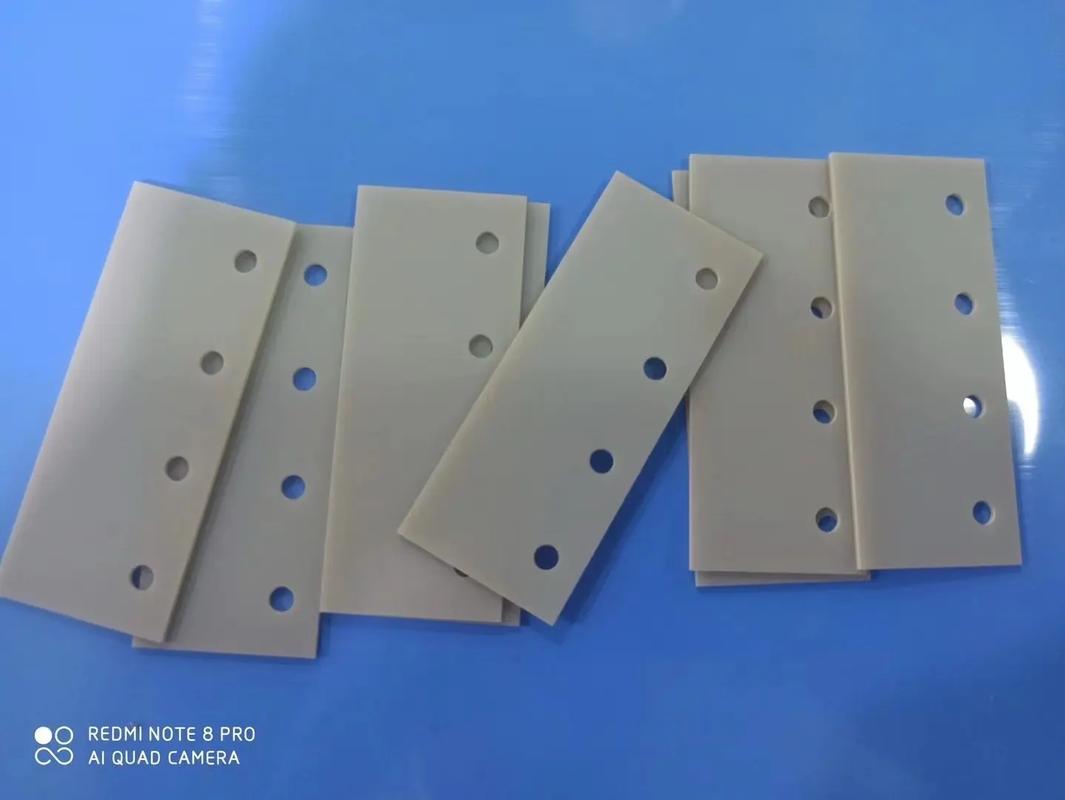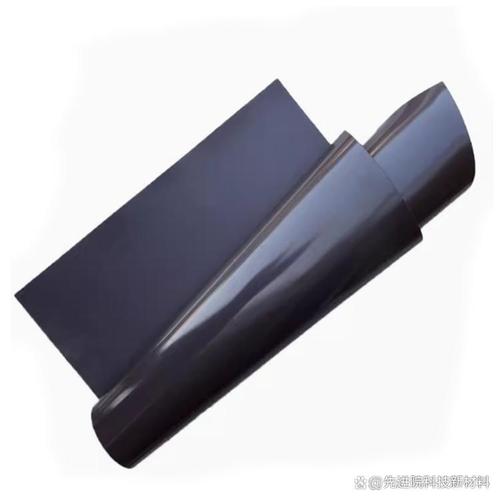

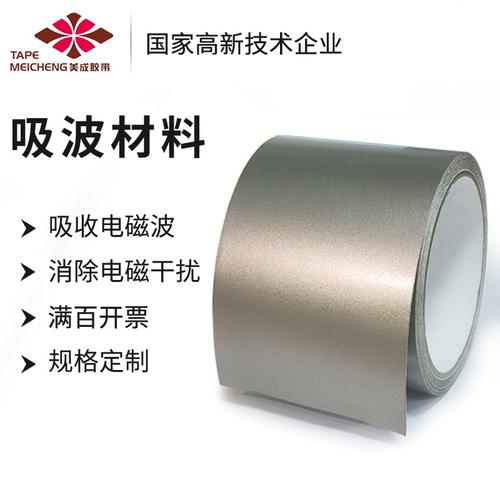
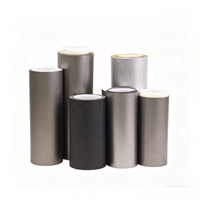
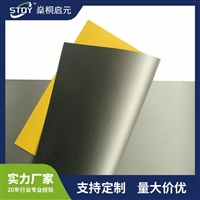
Electromagnetic interference suppression absorbing material high-frequency microwave absorbing sheet solves EMI radiation problem
Category:
electron/Electronic materials and components/Electronic magnetic materials
Model:
XB
Brand:
Shentong Qiyuan
operating frequency:
30MHz-6GHz
Material Composition:
Magnetic metal powder/polymer
Common thickness:
0.1-2.0mm
Flame retardant rating:
UL94 V-0
Environmental Standards:
RoHS
Operating temperature:
-25℃~+85℃
color:
black
Characteristics:
Flexible and easy to stick/high absorption rate
Retail Price
10,000,000.00USD
重量
kg
- Product Description
-
operating frequency 30MHz-6GHz
Material Composition Magnetic metal powder/polymer
Common thickness 0.1-2.0mm
Flame retardant rating UL94 V-0
Environmental Standards RoHS
Operating temperature -25℃~+85℃
color black
Characteristics Flexible and easy to stick/high absorption rate
Description :
Electromagnetic suppression absorbing material is a functional composite material specifically designed to absorb electromagnetic wave energy and reduce electromagnetic interference (EMI). It mainly solves the problems of signal crosstalk, data errors, and equipment failures caused by electromagnetic radiation inside or outside electronic devices. In typical working conditions such as 5G communication, smartphones, laptops, and automotive electronics, this material converts incident electromagnetic waves into thermal energy through magnetic and dielectric loss mechanisms, effectively suppressing reflected waves and surface waves, improving the electromagnetic compatibility (EMC) performance of equipment, and ensuring stable circuit operation.
Electromagnetic suppression absorbing materials are usually made by mixing magnetic metal powders (such as iron silicon aluminum, carbonyl iron powder, etc.) with a polymer matrix, which has excellent flexibility and adhesion. The common thickness range is between 0.1mm and 2.0mm, and can be customized according to needs. Its working frequency coverage is wide, usually with good absorption effect in the high frequency range of 30MHz to 6GHz or even higher. The material complies with RoHS environmental standards and has the characteristics of high and low temperature resistance and aging resistance. Some high-end models have also passed UL certification, with a flame retardant rating of V-0, ensuring safety and reliability in harsh environments and meeting strict specifications for consumer electronics and industrial equipment.
When selecting electromagnetic suppression absorbing materials, special attention should be paid to the operating frequency range, impedance matching characteristics, and installation space limitations. For high-frequency noise suppression, materials with higher dielectric constants should be selected; For low-frequency magnetic field interference, emphasis should be placed on the magnetic permeability index. This material is different from traditional shielding covers. It not only reflects electromagnetic waves, but also focuses on absorption, making it suitable for scenarios with limited space and inability to install metal shielding covers. If the device has extremely high requirements for heat dissipation, composite absorbing materials with high thermal conductivity should be selected. Not suitable for far-field shielding scenarios that require complete reflection of electromagnetic waves. When purchasing, it is necessary to specify the frequency and intensity of the interference source to match the optimal absorption frequency band.
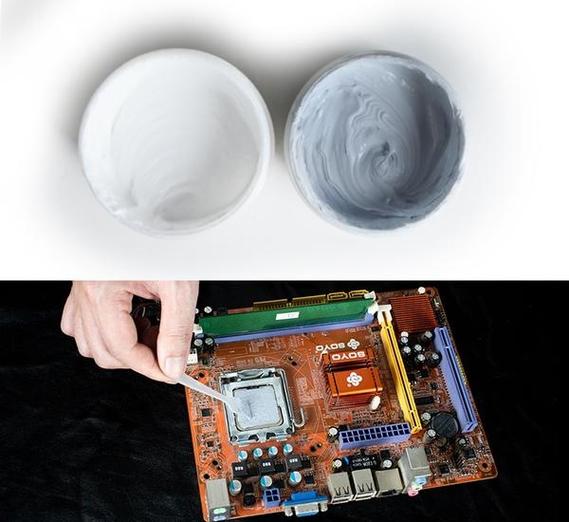
The installation of electromagnetic suppression absorbing materials is extremely simple, and the back usually comes with high viscosity thermal conductive adhesive or pressure-sensitive adhesive, which can be directly attached to the surface of noise source devices (such as IC chips, inductors, connectors) on the PCB board or the inside of the metal shielding cover. Before use, the bonding surface needs to be cleaned to ensure no dust or oil stains, in order to ensure firm adhesion and heat dissipation. In daily maintenance, sharp objects should be avoided from scratching the surface of materials to prevent a decrease in absorption performance. After long-term use in high temperature and high humidity environments, if the adhesive layer fails or the material hardens, it should be replaced in a timely manner. Regularly check the EMC test data of the equipment. If the radiation exceeds the standard, consider increasing the thickness or coverage area of the absorbing material for optimization.
AfterSalesService :
Key words:
More Products