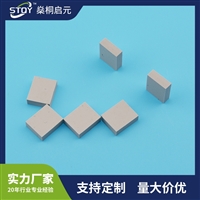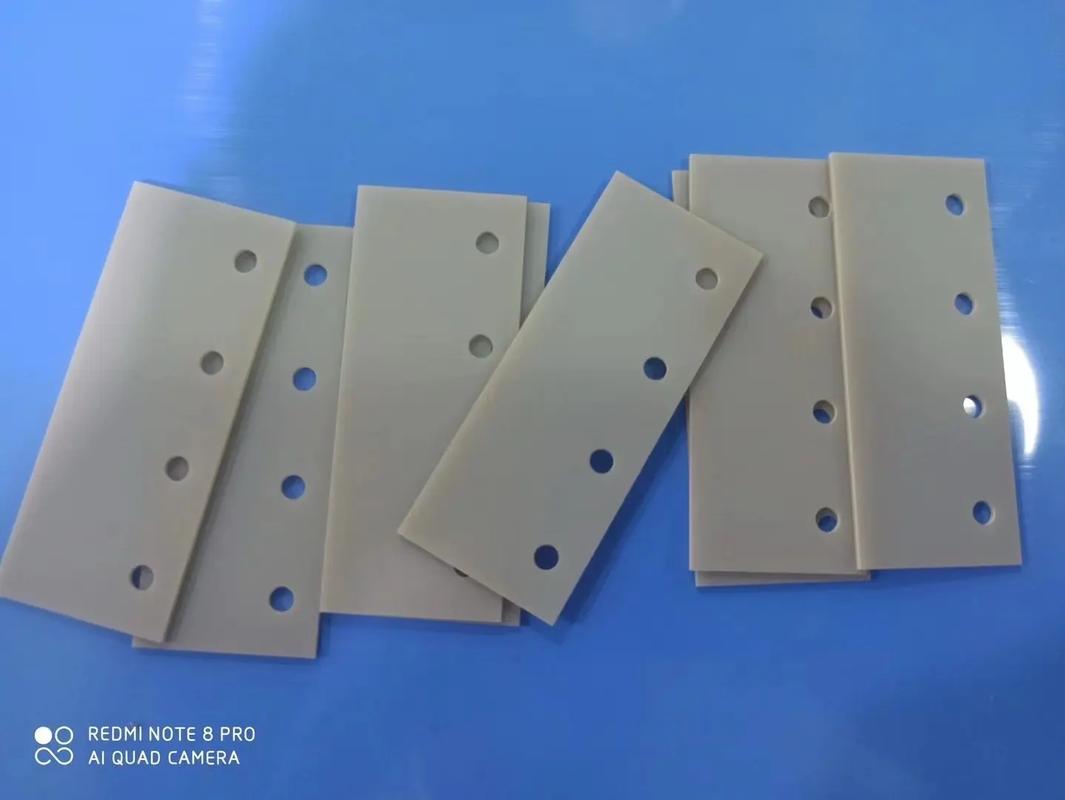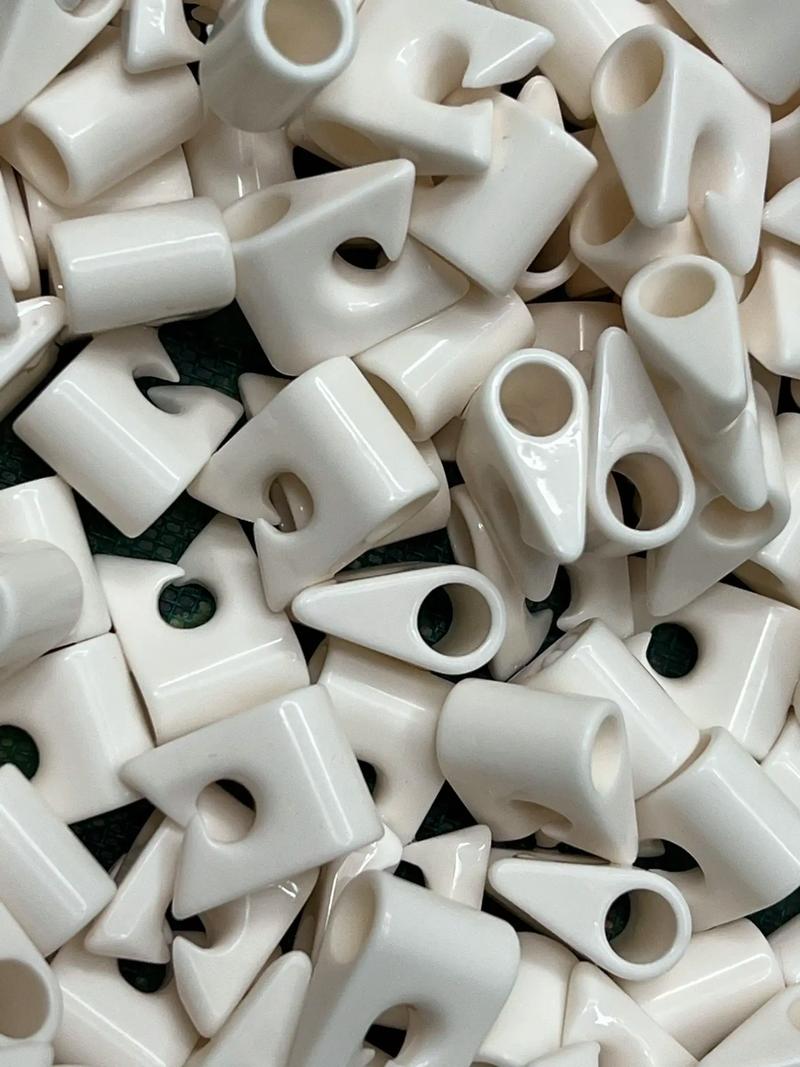

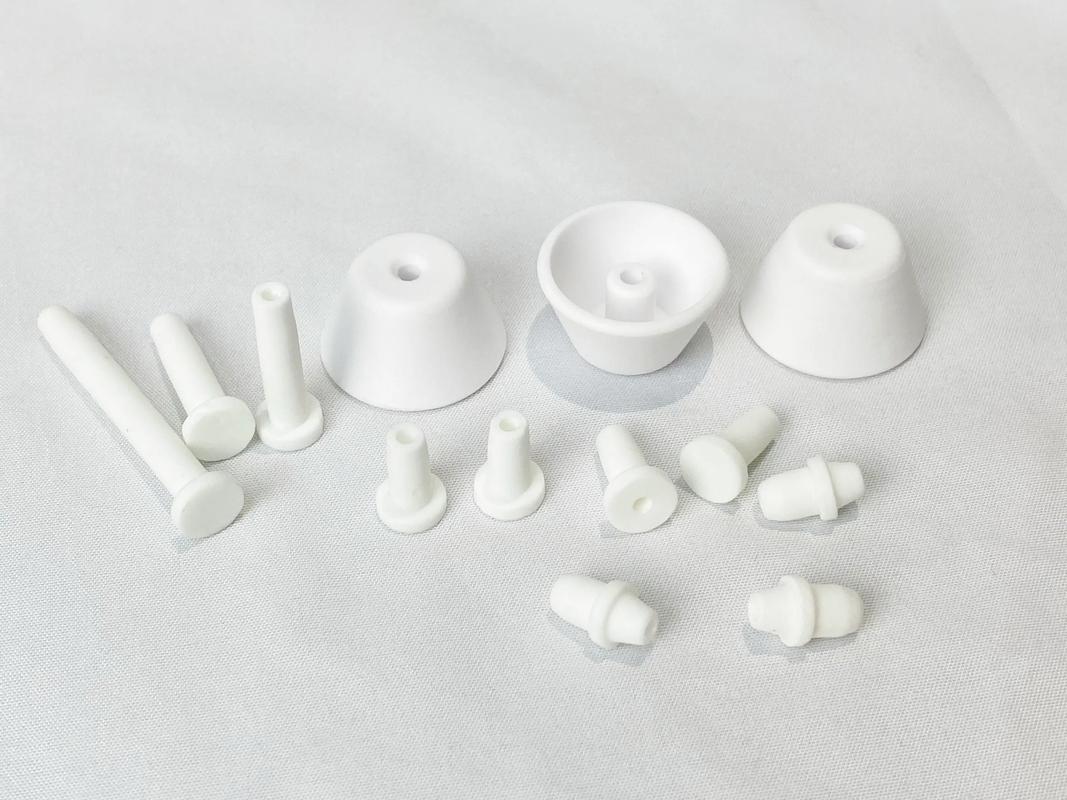
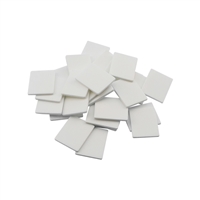
High purity alumina ceramic sheet, high temperature resistant, insulating, wear-resistant industrial structural components
Category:
electron/Electronic materials and components/Electronic ceramic materials
Model:
TC96
Brand:
Shentong Qiyuan
Alumina content:
95%-99.9%
density:
3.6-3.9 g/cm³
Mohs hardness:
≥9
Maximum operating temperature:
1600℃
Volume Resistivity:
≥10¹⁴ Ω·cm
bending strength:
300-400 MPa
thermal conductivity:
20-30 W/(m·K)
dielectric constant:
9-10 (1MHz)
Retail Price
10,000,000.00USD
重量
kg
- Product Description
-
Alumina content 95%-99.9%
density 3.6-3.9 g/cm³
Mohs hardness ≥9
Maximum operating temperature 1600℃
Volume Resistivity ≥10¹⁴ Ω·cm
bending strength 300-400 MPa
thermal conductivity 20-30 W/(m·K)
dielectric constant 9-10 (1MHz)
Description :
Alumina ceramic is an advanced inorganic non-metallic material with alpha alumina as the main crystal phase, mainly used to solve structural support and electrical insulation problems under high temperature, high pressure, strong corrosion, and high wear conditions. This material has extremely high hardness and melting point, and typical working conditions include semiconductor equipment components, power electronic insulation substrates, mechanical sealing rings, and chemical corrosion-resistant liners. As an industrial basic material, alumina ceramics have become a key choice to replace metals and traditional engineering plastics due to their excellent chemical stability and mechanical strength. They are widely used in precision manufacturing fields that require strict requirements for material purity, insulation, and wear resistance.
In terms of specifications and processes, alumina ceramics are usually classified into different grades based on alumina content, such as 75 ceramics, 95 ceramics, 99 ceramics, and 99.9 ceramics. The higher the purity, the better its insulation performance and high temperature resistance. The common implementation standards include national standards such as GB/T 6569, and the material density is usually between 3.6g/cm ³ and 3.9g/cm ³. The Mohs hardness can reach level 9, second only to diamond. The processing technology includes dry pressing, isostatic pressing, and injection molding, which are sintered at high temperatures above 1600 ℃. The surface can be ground and polished to achieve a mirror effect, ensuring that the dimensional accuracy is controlled at the micrometer level and meeting the requirements of precision assembly.
When selecting, it is important to pay close attention to the compatibility between the alumina content and the working environment. 95 porcelain has high cost-effectiveness and is suitable for general wear-resistant insulation scenarios; High purity ceramics with a purity of 99 or higher are used in high-frequency, high-pressure, ultra-high vacuum, or strong acid-base corrosion environments. Compared with zirconia ceramics, alumina ceramics have higher hardness but slightly lower toughness, making them unsuitable for applications that can withstand strong impact loads; Compared with silicon nitride ceramics, it has better processing performance and lower cost. The purchaser should specify the upper limit of working temperature, voltage level, and friction coefficient requirements when selecting, to avoid using in environments with large temperature differences between rapid cooling and heating, in order to prevent cracking caused by thermal shock.
During installation and maintenance, aluminum oxide ceramic parts should be protected from hard impact or local stress concentration. It is recommended to use flexible gaskets or specialized adhesives for fixation. In daily use, this material requires almost no special maintenance because it has self-lubricating and anti fouling properties, and is not easily attached with impurities. If used for fluid sealing or thermal interface, it is necessary to regularly check whether there are micro cracks or wear marks on the contact surface. Common faults are edge breakage or thermal stress cracks caused by improper installation. Maintaining a clean and dry storage environment can extend the service life of alumina ceramic structural components and ensure long-term stable operation of equipment.
AfterSalesService :
Key words:
More Products