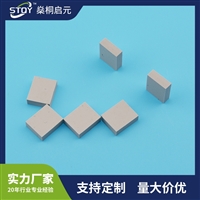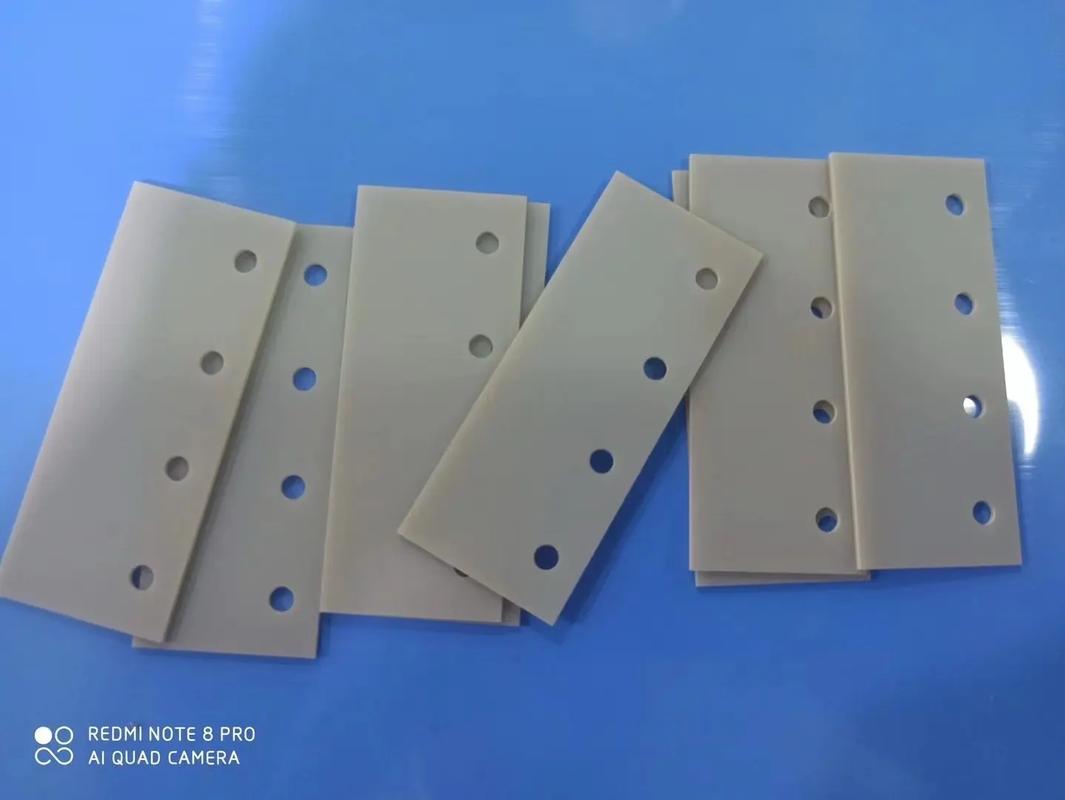

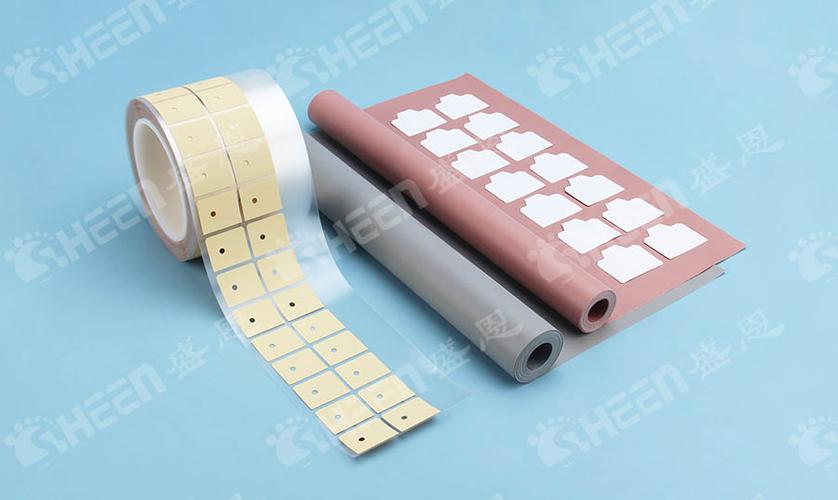
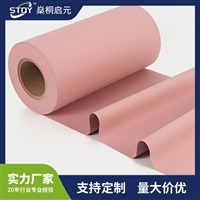
High thermal conductivity insulation silicone tape, electronic and electrical heat dissipation gasket, high temperature resistant and flame-retardant silicone film
Category:
Digital computer/Computer accessories/Silicone grease
Model:
SD
Brand:
Shentong Qiyuan
thermal conductivity:
1.0-3.0 W/m·K
thickness:
0.15-0.5 mm
Temperature resistance range:
-40 ℃ to+200 ℃
Flame retardant rating:
UL94 V-0
breakdown voltage:
>5 kV
Substrate material:
Fiberglass cloth/polyester film
color:
Grey/White
density:
2.0-2.5 g/cm³
Retail Price
10,000,000.00USD
重量
kg
- Product Description
-
thermal conductivity 1.0-3.0 W/m·K
thickness 0.15-0.5 mm
Temperature resistance range -40 ℃ to+200 ℃
Flame retardant rating UL94 V-0
breakdown voltage >5 kV
Substrate material Fiberglass cloth/polyester film
color Grey/White
density 2.0-2.5 g/cm³
Description :
Thermal conductive silicone tape is a high-performance thermal management material specifically used for filling the interface between electronic components and heat dissipation devices. It mainly solves the problem of air gap thermal resistance caused by micro unevenness of contact surfaces in electronic devices, achieves efficient heat conduction by filling gaps, and provides excellent electrical insulation protection. Typical operating conditions include the heat dissipation installation of power semiconductors, LED lighting modules, power modules, and CPU/GPU chips. This material has both flexibility and compressibility, and can tightly adhere to irregular surfaces under low pressure, ensuring long-term stable thermal conductivity efficiency. It is a key auxiliary material for improving the heat dissipation performance of electronic devices and extending the service life of components.
Thermal conductive silicone tape is usually made of glass fiber cloth or polyester film as the substrate, and double-sided coated with high thermal conductivity organic silicon pressure-sensitive adhesive. The common thickness range is between 0.15mm and 0.5mm, and different specifications can be customized according to needs. Its thermal conductivity is usually in the range of 1.0W/m · K to 3.0W/m · K, depending on the filler ratio and process level. The material has excellent temperature resistance, with a working temperature range of generally -40 ℃ to+200 ℃, and some high-end models can withstand higher instantaneous high temperatures. Follow the UL94 V-0 flame retardant rating as a reference for implementing standards to ensure that it is not easily flammable under high temperature conditions. In addition, the material also has good dielectric strength, with a breakdown voltage typically greater than 5kV, effectively preventing the risk of circuit short circuits and complying with environmental certification requirements such as RoHS.
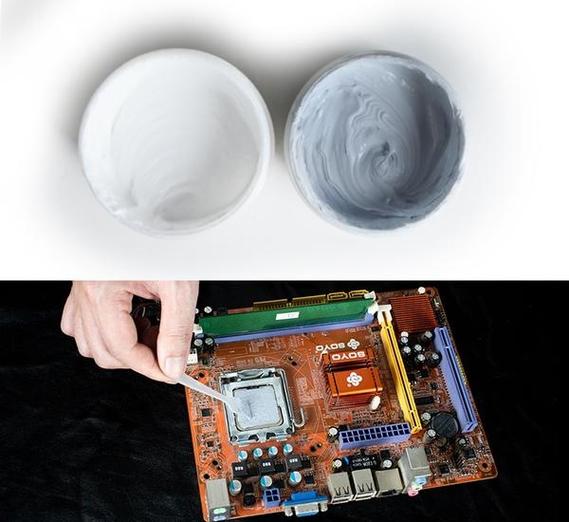
When selecting thermal conductive silicone cloth, it is important to focus on four core indicators: thermal conductivity, thickness, hardness, and viscosity. It is recommended to choose products with a thermal conductivity higher than 2.0W/m · K for high-power density scenarios, and to reduce thermal resistance with thinner thickness; For radiators with poor surface flatness, a slightly thicker and lower hardness (such as Shore 00 30-50) model can be selected to enhance the filling effect. If the application scenario involves high-frequency vibration, a style with strong adhesive backing should be selected to prevent detachment. It should be noted that thermal conductive silicone tape is different from thermal conductive silicone grease. The former is a solid sheet, which is easy to automate surface mount processing and has no risk of overflow and pollution. However, its ultimate thermal conductivity is slightly lower than that of high-quality silicone grease; The latter is in the form of a paste, suitable for manual application but prone to drying out. When purchasing, it should be matched according to the production line process automatically or manually, as well as the heat dissipation power consumption requirements.
Before installing the thermal conductive silicone cloth, it is necessary to clean the metal heat dissipation surface and chip surface to be bonded, remove oil stains, dust, and oxide layers. It is recommended to wipe them with anhydrous alcohol and air dry them. After removing the protective film, apply a flat silicone cloth to the surface of the heat source to avoid the formation of bubbles or wrinkles, and then apply uniform pressure to fix the heat sink. In daily maintenance, it is necessary to regularly check whether the heat dissipation components are loose or displaced, especially after experiencing severe temperature changes or vibration environments. If the silicone tape is found to have hardened, cracked, or discolored, it indicates that the material has aged and should be replaced in a timely manner to restore heat dissipation efficiency. Common faults such as equipment overheating alarms often stem from interface material failure or insufficient installation pressure. When troubleshooting, priority should be given to checking the integrity and tightness of the contact interface.
AfterSalesService :
Key words:
More Products