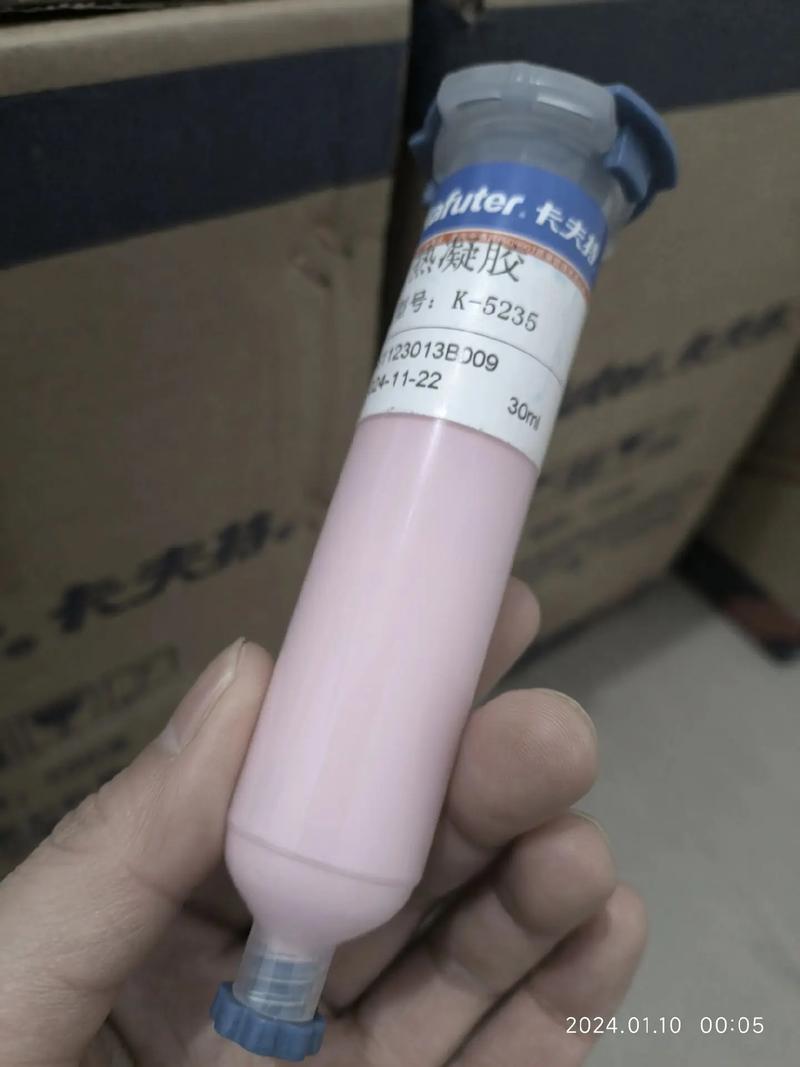

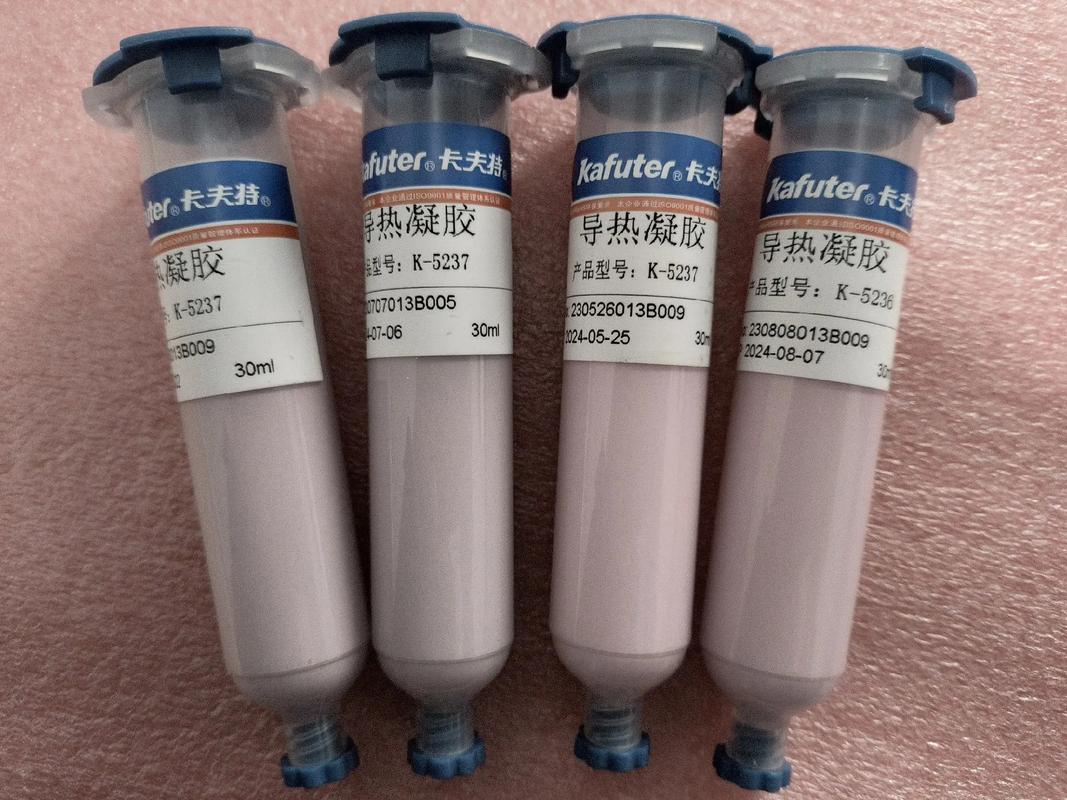
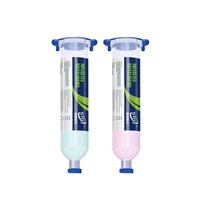
One component thermal conductive gel high thermal conductivity low thermal resistance CPU heat dissipation interface material
Category:
fine chemicals /Synthetic adhesive/Conductive adhesive
Model:
TP
Brand:
Shentong Qiyuan
thermal conductivity:
1.5-6.0 W/m·K
Operating temperature:
-40℃~200℃
specific gravity:
2.8-3.2 g/cm³
volatile matter:
<0.1%
insulation strength:
>5 KV/mm
Packaging Specifications:
30ml/tube
color:
Grey/White
Flame retardant rating:
UL94 V-0
Retail Price
10,000,000.00USD
重量
kg
- Product Description
-
thermal conductivity 1.5-6.0 W/m·K
Operating temperature -40℃~200℃
specific gravity 2.8-3.2 g/cm³
volatile matter <0.1%
insulation strength >5 KV/mm
Packaging Specifications 30ml/tube
color Grey/White
Flame retardant rating UL94 V-0
Description :
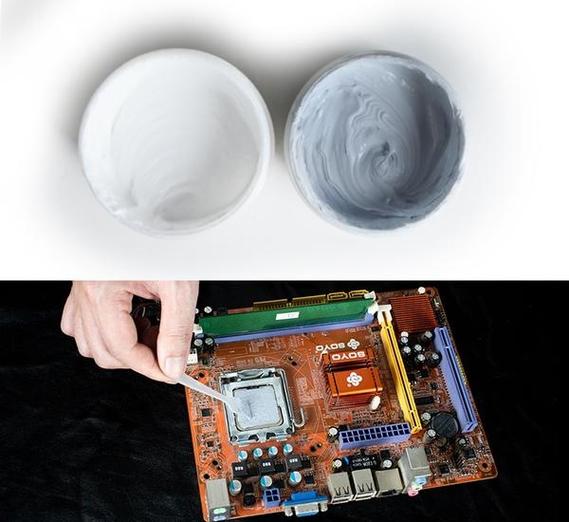
One component thermal conductive gel is a high-performance thermal interface material, which is specially used to fill the tiny gap between electronic components and radiator, effectively reducing the contact thermal resistance. It solves the problem of poor adhesion caused by thickness tolerances in traditional thermal pads, and also overcomes the disadvantages of easy drying and pumping out of thermal grease. This material is in the form of a paste at room temperature and can fully wet the contact surface under pressure, forming an extremely thin and uniform heat conduction layer. It is widely used in the heat dissipation management of heating devices such as CPUs, GPUs, and power modules, ensuring temperature stability of the equipment under high load operation.
This product uses silicone or non silicone based formulations and has excellent thermal conductivity. The typical thermal conductivity range is usually between 1.5W/m · K and 6.0W/m · K, depending on the model. Its working temperature range is wide, generally able to maintain stable physical and chemical properties in an environment of -40 ℃ to 200 ℃, without volatilization or melting. The material has extremely low thermal impedance, complies with RoHS environmental standards, and is halogen-free. In terms of construction technology, it supports automatic coating or manual scraping coating by dispenser. The curing mode is mostly non curing or slightly cross-linking, which can maintain flexibility for a long time with strong anti-aging performance, and can withstand long-term thermal cycle test without failure.
When selecting the model, it is necessary to select a single component thermal conductive gel with appropriate thermal conductivity and hardness according to the power density of the heat source and the pressure of the radiator. For assembly scenarios with large gap changes or tolerances, its compressibility is better than that of hard thermal pads; For equipment that requires long-term maintenance free, its stability is better than ordinary thermal grease. If the application scenario involves extremely high voltage insulation requirements, the breakdown voltage index of the material needs to be confirmed; If used outdoors or in harsh environments, attention should be paid to its UV resistance and hydrolysis resistance. Not suitable for optical lenses that are extremely sensitive to silicone evaporation, unless using a special formula without silicone oil.
Before installation, it is necessary to clean the surface to be coated, remove oil stains, dust, and old residues, and ensure that the metal surface is smooth. When coating, the principle of "less but even" should be followed to avoid excessive overflow and pollution of surrounding circuits. The typical usage cycle can reach 5-10 years, during which there is no need to reapply. During routine maintenance, if the temperature of the equipment rises abnormally, check whether the radiator is loose or whether the gel layer is broken due to mechanical vibration. Common faults include local hot spots caused by uneven coating, or heat accumulation caused by selecting products with low thermal conductivity. In this case, the surface needs to be cleaned again and replaced with a single component thermal conductive gel of appropriate specification for repair.
AfterSalesService :
Key words:
More Products