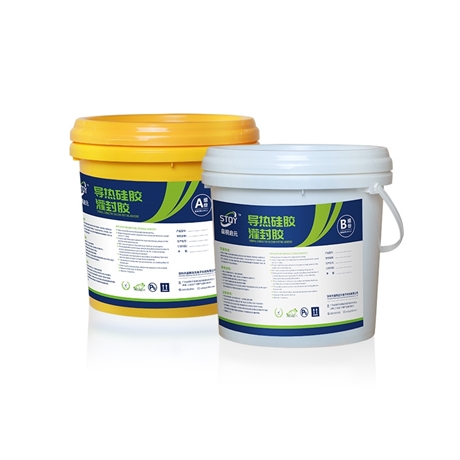

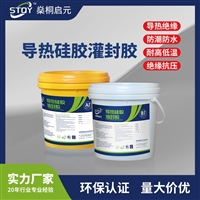
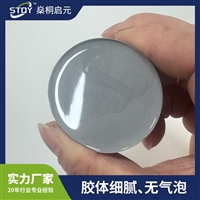
Two component thermal conductive sealing adhesive for electronic component heat dissipation, sealing and protection material
Category:
fine chemicals /Synthetic adhesive/Potting adhesive
Model:
GF
Brand:
Shentong Qiyuan
thermal conductivity:
1.0-3.0 W/m·K
mixed viscosity:
3000-8000 cps
specific gravity:
1.2-1.5 g/cm³
Flame retardant rating:
UL94 V-0
Curing method:
Room temperature/heat curing
Eco-Certification:
RoHS/REACH
Packaging Specifications:
20kg/barrel
Shelf Life:
12 months
Retail Price
10,000,000.00USD
重量
kg
- Product Description
-
thermal conductivity 1.0-3.0 W/m·K
mixed viscosity 3000-8000 cps
specific gravity 1.2-1.5 g/cm³
Flame retardant rating UL94 V-0
Curing method Room temperature/heat curing
Eco-Certification RoHS/REACH
Packaging Specifications 20kg/barrel
Shelf Life 12 months
Description :
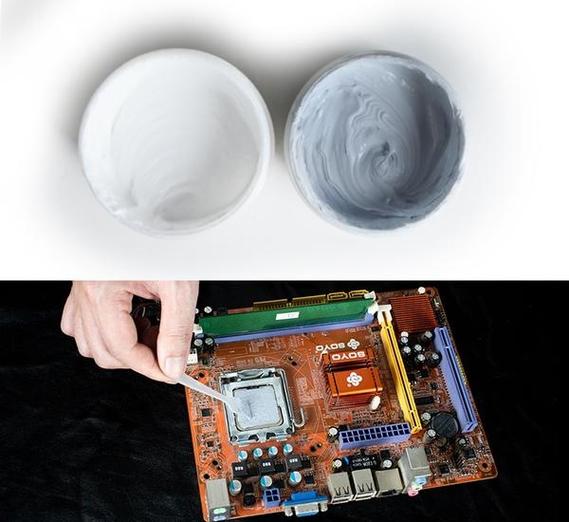
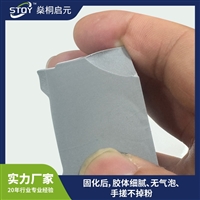
Two component thermal conductive sealant is a high-performance composite material specifically used for heat dissipation and protection of electronic components. It mainly solves the problem of heat accumulation generated by high-power devices during operation, while providing excellent insulation, moisture resistance, and seismic protection. This material consists of component A (resin matrix) and component B (curing agent), which undergo cross-linking reaction at room temperature or heating conditions after mixing, forming an elastic or hard adhesive layer with good thermal conductivity. Typical working conditions include LED driver power supply, new energy vehicle battery module, transformer, sensor, and packaging protection of various PCB boards, which can effectively extend the service life of electronic devices and improve operational stability.
The specification parameters of two-component thermal conductive sealant usually include key indicators such as thermal conductivity, viscosity, specific gravity, and curing time. The common range of thermal conductivity is 1.0-3.0 W/m · K, and the specific value depends on the type and proportion of filler added; The mixed viscosity is generally between 3000-8000 CPS, ensuring good fluidity to fill complex structural gaps; The specific gravity is about 1.2-1.5 g/cm ³. The implementation standards refer to UL94 V-0 flame retardant level and have passed environmental certifications such as RoHS and REACH. The process supports vacuum defoaming treatment to reduce residual bubbles, ensure the density and thermal conductivity of the sealing layer. Some models can be accelerated by heating to shorten the production cycle.
When selecting two-component thermal conductive sealant, it is important to consider the thermal management and mechanical stress requirements of the application scenario. For components that require high heat generation and flexibility buffering, such as flexible circuit boards or sensors that are susceptible to vibration, low modulus, high elongation silicone systems should be selected; For power modules with high structural strength requirements and limited space, epoxy resin systems are more suitable due to their higher hardness and adhesive strength. It should be noted that if the working environment temperature exceeds 200 ℃, ordinary organosilicon may age faster, and a high-temperature resistant modified formula should be selected; If it involves outdoor use, attention should also be paid to the material's UV resistance and weather resistance to avoid yellowing or powdering.
The construction and maintenance of two-component thermal conductive sealant must strictly follow the operating specifications. Before use, components A and B should be accurately weighed in proportion and thoroughly stirred. It is recommended to use mechanical stirring to avoid incomplete curing caused by uneven manual mixing. Before sealing, the surface of the substrate should be cleaned and dried, and if necessary, a primer should be applied to enhance adhesion. During the curing process, dust pollution should be avoided. Room temperature curing usually takes 24 hours, while heating curing can be shortened to 2-4 hours. In daily maintenance, if cracks, detachment, or decreased thermal conductivity are found in the sealing layer, it should be promptly checked for overload heating or chemical corrosion, and re sealing treatment should be carried out to ensure the continuous safe operation of the equipment.
AfterSalesService :
Key words:
More Products