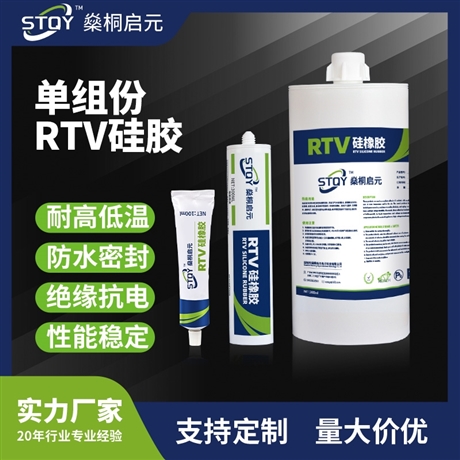

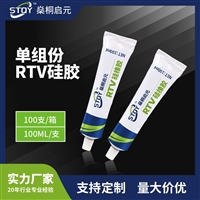
Single component thermal conductive silicone paste high thermal conductivity electronic heat dissipation filling material
Category:
fine chemicals /Synthetic adhesive/Conductive adhesive
Model:
PG
Brand:
Shentong Qiyuan
thermal conductivity:
1.0-3.5 W/m·K
Operating temperature:
-50℃~200℃
specific gravity:
2.4-2.8 g/cm³
Volume Resistivity:
≥10^12 Ω·cm
color:
white
Packaging Specifications:
300ml/tube
Shelf life:
12 months
certification standard:
RoHS/REACH
Retail Price
10,000,000.00USD
重量
kg
- Product Description
-
thermal conductivity 1.0-3.5 W/m·K
Operating temperature -50℃~200℃
specific gravity 2.4-2.8 g/cm³
Volume Resistivity ≥10^12 Ω·cm
color white
Packaging Specifications 300ml/tube
Shelf life 12 months
certification standard RoHS/REACH
Description :
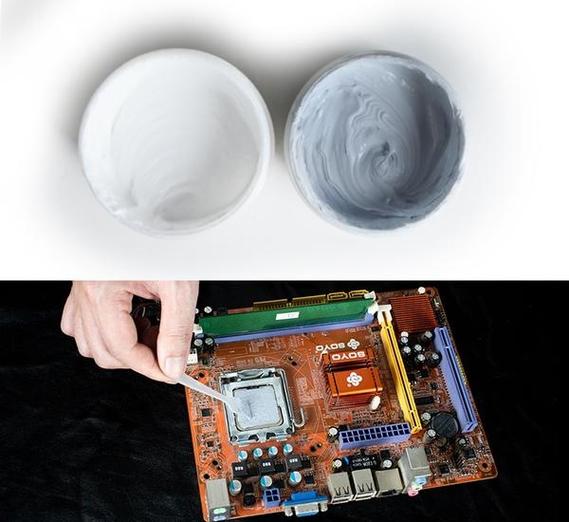
Single component thermal conductive silicone is an interface filling material designed specifically for heat dissipation of electronic components, mainly solving the problem of air thermal resistance between chips and heat sinks due to surface micro unevenness. It fills small gaps, establishes efficient heat conduction channels, significantly reduces contact thermal resistance, and ensures stable operation of power devices at rated temperature. This product is suitable for working conditions that require rapid thermal conductivity, such as LED lighting, power modules, CPU/GPU heat dissipation, and automotive electronic control units. It has good wetting properties and construction convenience, and can be used directly without mixing. After curing, it forms an elastic adhesive layer, effectively absorbing the impact of mechanical stress and thermal expansion differences, protecting precision electronic components from physical damage, and is a key auxiliary material for improving the heat dissipation efficiency of electronic devices.
The typical thermal conductivity range of this single component thermal conductive silicone is usually between 1.0-3.5 W/m · K, depending on the model, with a specific gravity of approximately 2.4-2.8 g/cm ³. The product is made of organosiloxane as the base polymer, combined with high thermal conductivity fillers such as alumina, boron nitride, etc. The appearance is usually a white or gray paste. Its working temperature range is wide, generally maintaining stable performance between -50 ℃ and 200 ℃, with a volume resistivity of over 10 ^ 12 Ω· cm, and excellent electrical insulation performance to prevent circuit short circuits. Compliant with environmental certification standards such as RoHS and REACH, solvent-free, non corrosive, and has no adverse reactions to common metals and plastic substrates such as copper, aluminum, and steel. The packaging specifications are mostly 300ml cartridge or 100g support, which is convenient for automated operation of dispensing machines or manual glue application. The storage period is usually 12 months, and it needs to be sealed and stored in a cool and dry place.
When selecting single component thermal conductive silicone, special attention should be paid to thermal conductivity, viscosity, oil separation, and curing method. Products with a thermal conductivity greater than 2.0 W/m · K should be selected for high-power density scenarios, while low viscosity models can be chosen for applications that focus on smooth construction. It should be noted that single component thermal conductive silicone is usually non curing or semi curing, relying on pressure to maintain contact, unlike two-component additive thermal pads, which have a fixed thickness and do not require fastener pressure. If there are severe vibrations or large gaps in the application environment, it is recommended to evaluate whether to use spring fasteners or choose thermal pads with adhesive backing. In addition, for sensitive optical or precision instrument scenarios that require ultra-low oil separation, special low volatility formulas should be selected to avoid silicone oil volatilization contaminating surrounding components. Not suitable for situations that require structural adhesive strength, thermal conductive structural adhesive should be used in this case.
When using single component thermal conductive silicone, the first step is to clean the surface to be coated, remove oil stains, dust, and oxide layers, and ensure that the substrate is dry and clean. The glue application method can be screen printing, scraper coating, or automatic dispensing. It is recommended to control the thickness of the glue layer between 0.1-0.3mm. Excessive thickness will increase thermal resistance, while insufficient thickness may result in incomplete filling. When installing the radiator, appropriate pressure should be applied to evenly spread the gel and expel bubbles. The typical assembly pressure is 20-50 psi. In daily maintenance, if the equipment experiences abnormal temperature rise after prolonged high temperature operation, check whether the glue is dry cracking, powdering, or has a serious pumping effect. If necessary, clean the old glue and reapply. Common faults include poor contact caused by unclean surfaces or increased thermal resistance due to loose fasteners. Regular inspections of the fastening status can help maintain long-term heat dissipation efficiency.
AfterSalesService :
Key words:
More Products