
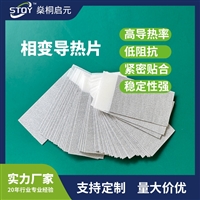
High performance phase change thermal conductive material for electronic chip heat dissipation interface filling, high temperature resistance and low thermal resistance
Category:
building materials/Waterproof and fireproof functional materials/Insulation materials
Model:
PCM
Brand:
Shentong Qiyuan
thermal conductivity:
1.0-5.0 W/m·K
phase transition temperature:
45-60 ℃
thickness:
0.1-0.3 mm
Operating temperature:
-40-125 ℃
Volume Resistivity:
>10^12 Ω·cm
dielectric strength:
>5 kV/mm
Flame retardant rating:
UL94 V-0
density:
2.8-3.2 g/cm³
Retail Price
10,000,000.00USD
重量
kg
- Product Description
-
thermal conductivity 1.0-5.0 W/m·K
phase transition temperature 45-60 ℃
thickness 0.1-0.3 mm
Operating temperature -40-125 ℃
Volume Resistivity >10^12 Ω·cm
dielectric strength >5 kV/mm
Flame retardant rating UL94 V-0
density 2.8-3.2 g/cm³
Description :
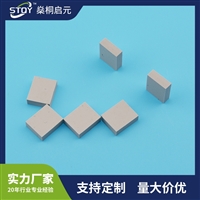
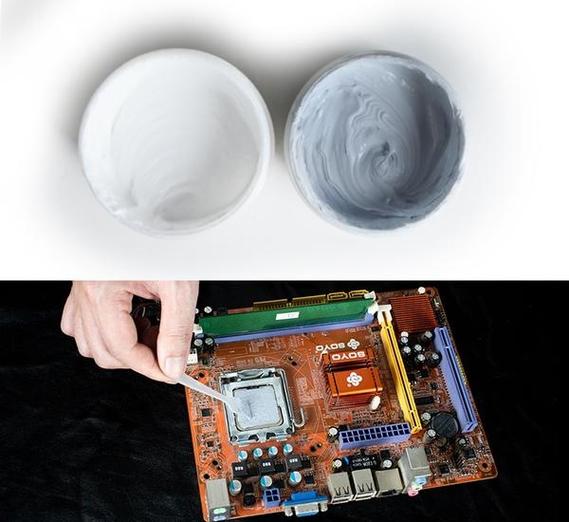
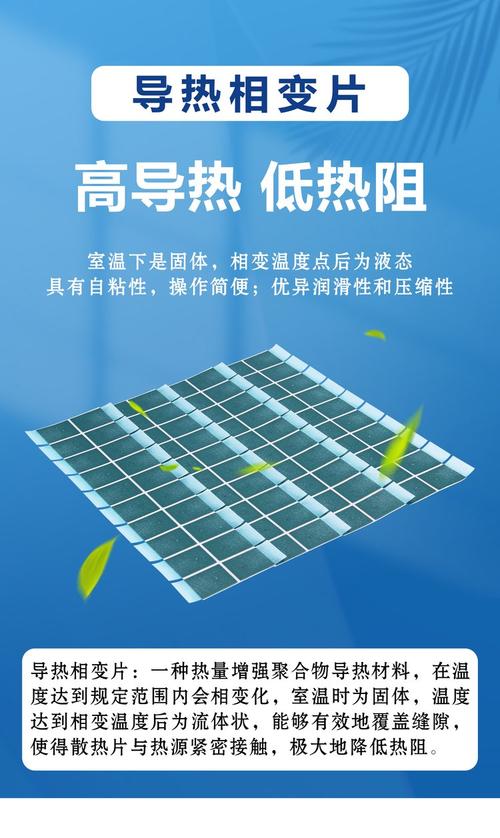
Phase change thermal conductive material is an interface filling material specifically used to solve the heat dissipation problem of electronic devices, mainly applied between high heat generating components such as CPUs, GPUs, power modules, and heat sinks. It can remain solid at room temperature, making it easy to install and transport; When the working temperature rises to the phase transition point (usually 45 ℃ -60 ℃), the material softens and flows, filling the micro voids of the contact surface, thereby significantly reducing the contact thermal resistance and improving the heat dissipation efficiency. This material is particularly suitable for industrial control, communication base stations, and consumer electronics fields that require high heat dissipation performance and long-term stable operation, effectively preventing equipment performance degradation or damage caused by overheating.
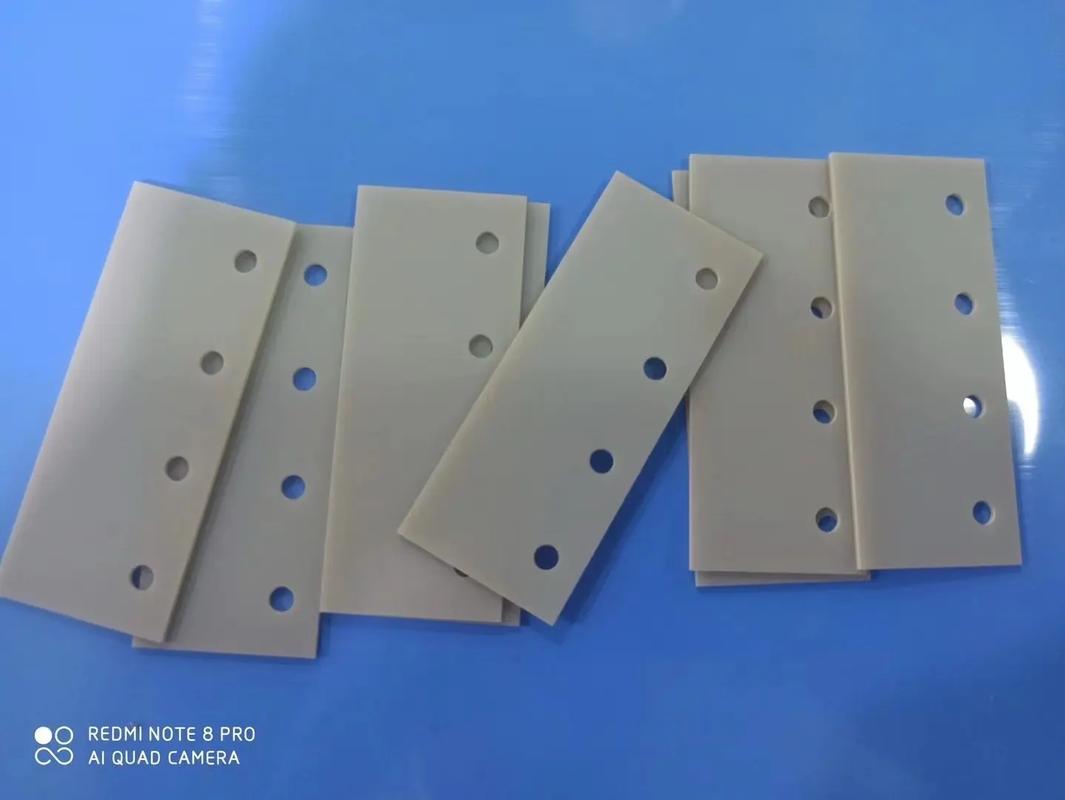
The typical thickness range of this phase change thermal conductive material is between 0.1mm and 0.3mm, and can be customized and cut according to specific application scenarios. The substrate is usually composed of polymer and high thermal conductivity filler, and the thermal conductivity is generally between 1.0W/m · K and 5.0W/m · K, depending on the filler ratio and process. The material has excellent insulation properties, with a volume resistivity usually greater than 10 ^ 12 Ω· cm and a dielectric strength higher than 5kV/mm, ensuring safe use in high-voltage environments. In addition, it also meets RoHS environmental protection standards, does not contain halogen and other harmful substances, has passed UL certification, has good weather resistance and anti-aging ability, and can maintain stable physical performance in a wide temperature range of -40 ℃ to 125 ℃.
When selecting, it is important to consider the operating temperature range, contact pressure, and surface flatness of the device. Phase change thermal conductive materials are suitable for working conditions with moderate contact pressure and slightly uneven surfaces. Compared to traditional thermal conductive silicone grease, they have no pumping effect and higher long-term reliability; Compared to thermal pads, it has better fluidity at high temperatures and can adhere more tightly to the interface. If the application scenario involves extremely low contact pressure or extremely large gap filling, it may be necessary to choose a softer thermal conductive gel or thick thermal conductive gasket. For high-frequency vibration environments, the solidification characteristics of phase change materials can also provide better seismic protection, avoiding thermal failure caused by interface separation.
When installing phase change thermal conductive materials, the surface to be bonded should be cleaned first to remove oil and dust, ensuring that the contact surface is dry and flat. Cut the material to the appropriate size, remove the protective film and attach it to the surface of the heat source, then install the heat sink and apply uniform pressure. In daily maintenance, it is recommended to regularly check whether the fixing screws of the radiator are loose and observe whether there is any abnormal increase in the operating temperature of the equipment. If the material is found to be dry, cracked, or severely hardened, it should be replaced in a timely manner. Common faults include local overheating caused by uneven installation pressure, or poor contact caused by incomplete surface cleaning. Standardized operation can effectively extend the service life of phase change thermal conductive materials and maintain optimal heat dissipation effect.
AfterSalesService :
Key words:
More Products