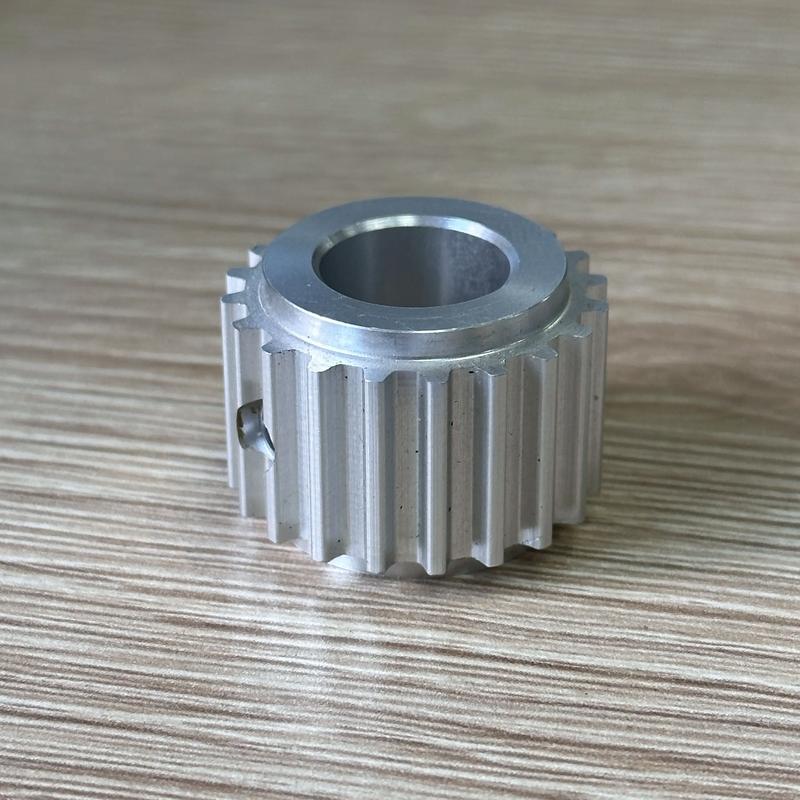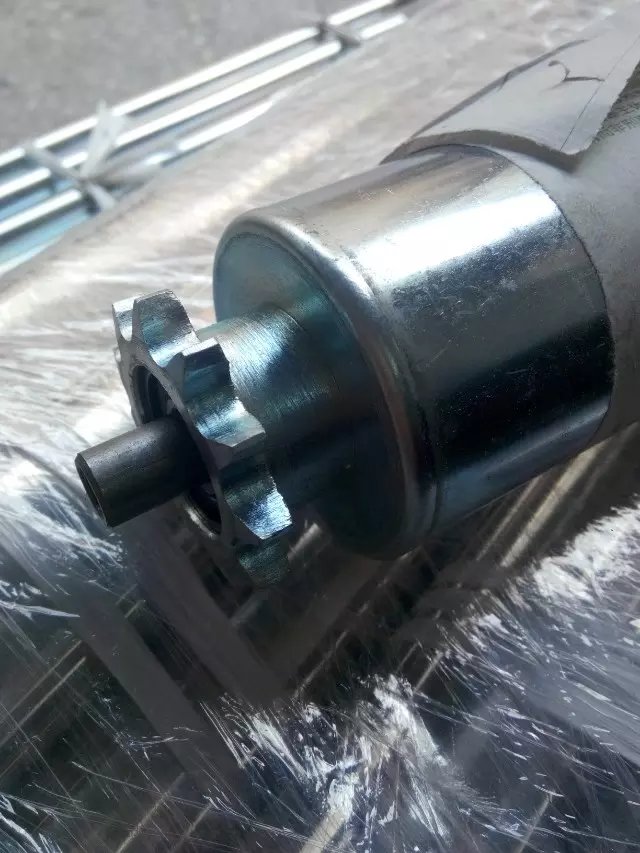

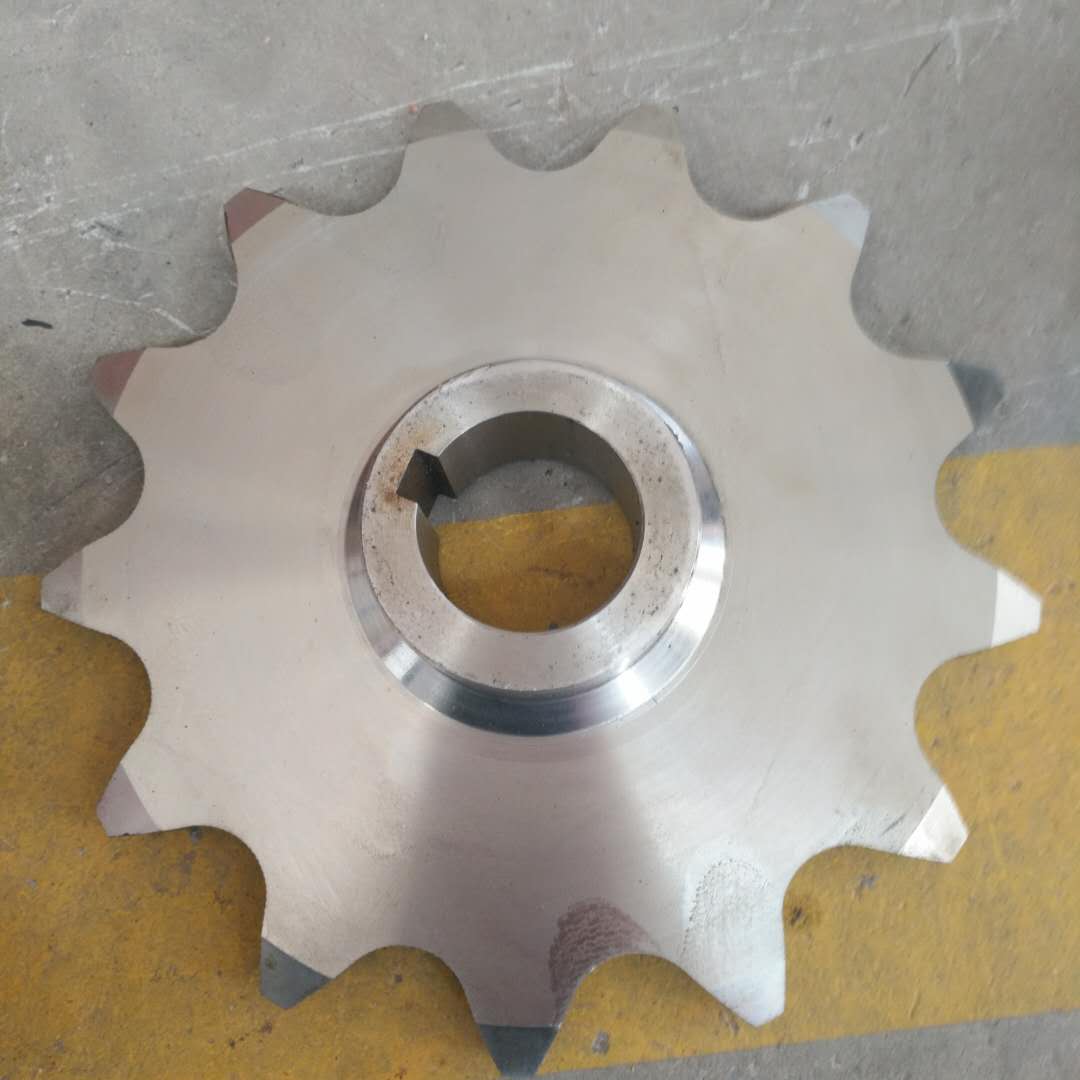
Industrial transmission standard sprocket 45 steel quenched and tempered processing multi specification compatible chain
Category:
mechanical equipment/Transmission components/Sprocket
Model:
Conventional+non-standard customization
Brand:
Jianxiang Transmission
Material:
45 # steel, alloy steel, aluminum, plastic, etc
heat treatment:
high-frequency quenching
Tooth surface hardness:
HRC40-50
Applicable standard:
GB/T1243
Surface treatment:
Blackening/galvanizing, etc
Processing method:
Precision turning and milling teeth
Scope of Application:
Industrial Drive
Retail Price
10,000,000.00USD
重量
kg
- Product Description
-
Material 45 # steel, alloy steel, aluminum, plastic, etc
heat treatment high-frequency quenching
Tooth surface hardness HRC40-50
Applicable standard GB/T1243
Surface treatment Blackening/galvanizing, etc
Processing method Precision turning and milling teeth
Scope of Application Industrial Drive
Description :
Chain wheel is a key basic component in mechanical transmission system, mainly transmitting power and motion through meshing with the chain. It is widely used in various types of conveyors, packaging machines, agricultural machinery, and industrial automation equipment to solve the problem of long-distance and high torque power transmission. This category of products usually requires high tooth surface hardness and core toughness to withstand frequent impact loads and wear, ensuring the smoothness and accuracy of the transmission process, and is an important component for maintaining the continuous and stable operation of mechanical equipment.
This product is usually made of high-quality 45 grade steel or alloy structural steel as raw materials, and is formed through mechanical processing such as forging, rough turning, precision turning, and milling. The key heat treatment processes include quenching and high-frequency quenching to achieve a tooth surface hardness of around HRC40-50, effectively extending the service life. The machining accuracy generally follows national standards such as GB/T1243 or ISO606, controlling the cumulative error of tooth pitch and radial runout. Surface treatment can choose blackening, galvanizing, or oil coating for rust prevention according to the working conditions, to adapt to different working environment humidity and corrosion risks.
When selecting, it is important to confirm the pitch of the chain, the diameter of the rollers, and the number of teeth on the sprocket. These three must be strictly matched to ensure normal meshing. Common types include A-series and B-series sprockets, which correspond to the British and metric chain standards, respectively. When purchasing, it is necessary to clearly distinguish between them. In addition, attention should be paid to the installation aperture, keyway size, and fixing method (such as top screw fixation or flange connection). For high-speed and heavy-duty working conditions, it is recommended to use sprockets that have been precision ground to reduce noise and vibration, and avoid early failure caused by mismatched usage scenarios.
When installing the sprocket, it is necessary to ensure the parallelism between the axis of the driving wheel and the driven wheel. If the deviation is too large, it will cause the chain to deviate, jump teeth or wear abnormally. In daily maintenance, the wear of the tooth surface should be checked regularly. If hook shaped wear or tooth thickness reduction exceeds 10% of the original size, it should be replaced in a timely manner. Meanwhile, maintaining good lubrication of the chain and sprocket is crucial. It is recommended to regularly add an appropriate amount of lubricating oil or grease to reduce frictional resistance. If any abnormal noise or jamming is found in the transmission, the machine should be stopped immediately to check for foreign objects or loose fasteners.
AfterSalesService :
质保一年Key words:
More Products