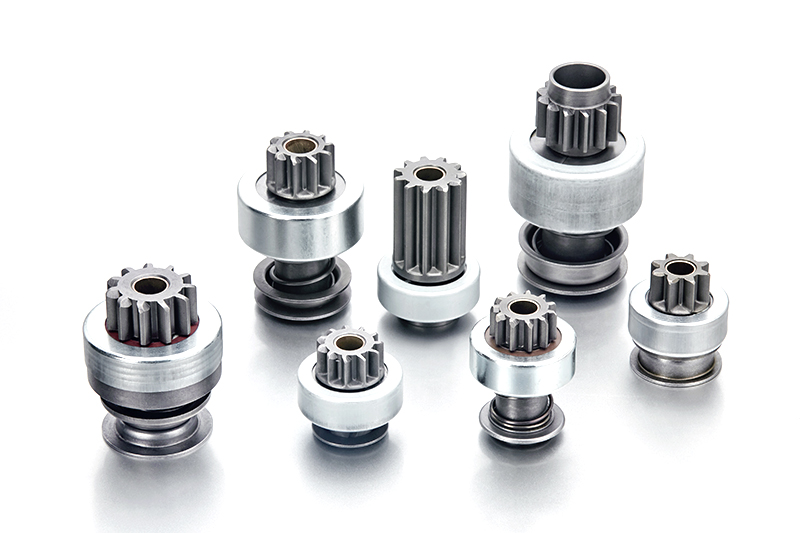

Industrial precision transmission gears with high hardness and wear resistance
Category:
mechanical equipment/Transmission components/gear
Model:
Conventional+non-standard customization
Brand:
Jianxiang Transmission
Material:
20CrMnTi/42CrMo alloy steel
hardness:
HRC58-62
accuracy class:
GB/T 10095 Level 6-8
Modular range:
1-5mm
tooth profile:
Involute straight/helical teeth
Surface Treatment:
Carburizing quenching/gear grinding
Operating temperature:
-20 ℃ to 120 ℃
transmission efficiency:
≥98%
Retail Price
10,000,000.00USD
重量
kg
- Product Description
-
Material 20CrMnTi/42CrMo alloy steel
hardness HRC58-62
accuracy class GB/T 10095 Level 6-8
Modular range 1-5mm
tooth profile Involute straight/helical teeth
Surface Treatment Carburizing quenching/gear grinding
Operating temperature -20 ℃ to 120 ℃
transmission efficiency ≥98%
Description :
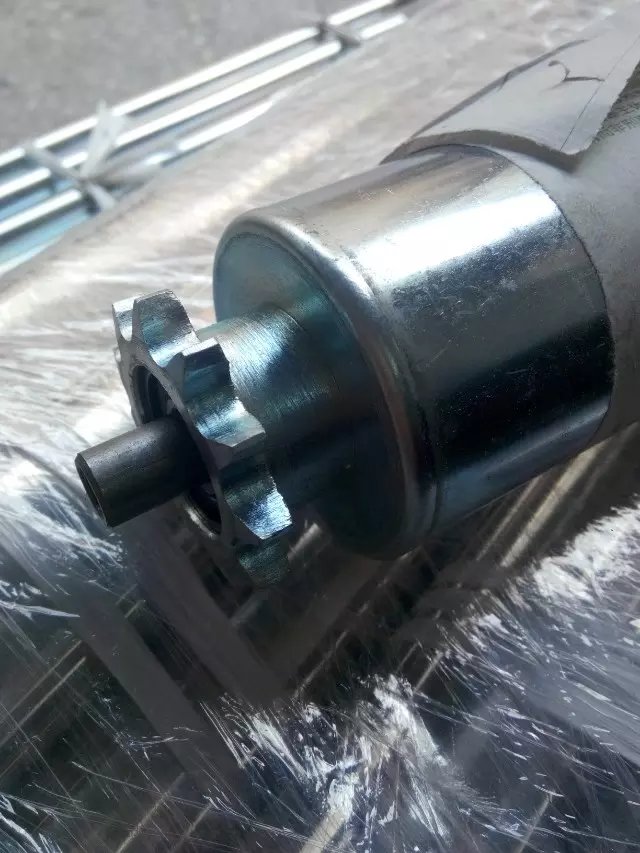
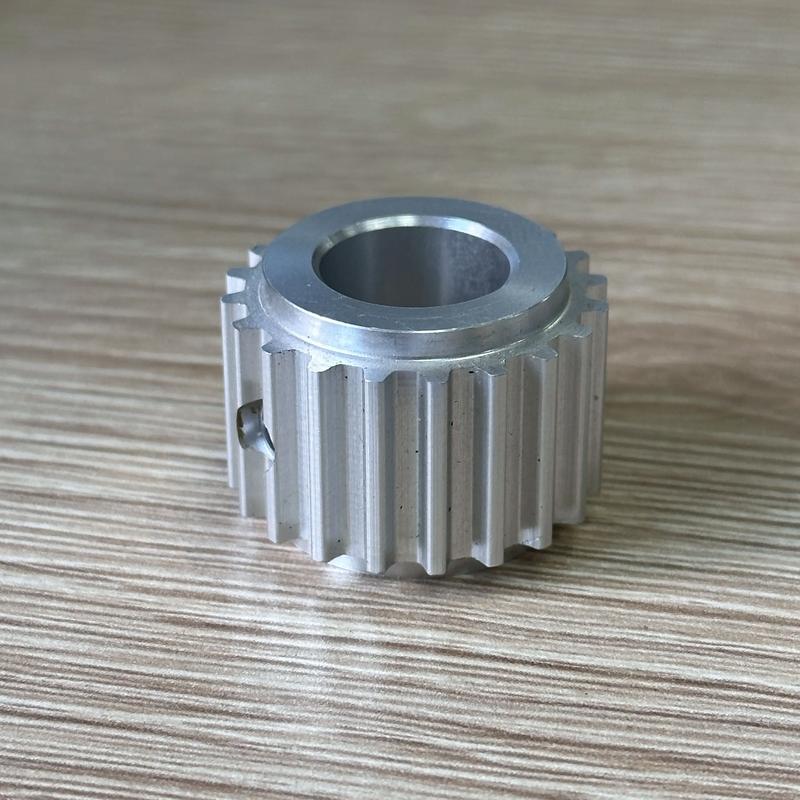
Transmission gears are the core basic components in mechanical transmission systems, mainly used to transmit power and motion between two shafts, solving the problem of long-distance or variable direction power transmission. This type of product is widely used in various reducers, gearboxes, automated production lines, and heavy machinery equipment, achieving precise speed ratio control and torque transmission through tooth profile meshing. As a representative category of Jianxiang Transmission Industry, transmission gears need to have high load-bearing capacity and long-term stability. Typical operating conditions include continuous operation, impact loads, and high temperature environments, which can effectively ensure the overall transmission efficiency and reliability of mechanical systems.
In terms of specifications and processes, transmission gears are usually made of high-quality alloy steel (such as 20CrMnTi, 42CrMo, etc.) through forging blanks to ensure a dense internal structure. The machining process includes precision processes such as gear hobbing, gear hobbing, gear shaving, and gear grinding. The tooth surface hardness usually reaches HRC58-62, and the accuracy level meets the requirements of grades 6-8 in GB/T 10095 standard. Surface treatment options include carburizing quenching, nitriding, or high-frequency induction quenching to enhance wear resistance and fatigue strength. The transmission gears produced by Jianxiang Transmission strictly follow the ISO quality management system, undergo rigorous tooth profile testing, radial runout testing, and noise assessment to ensure the consistency of size and smooth meshing of each batch of products.
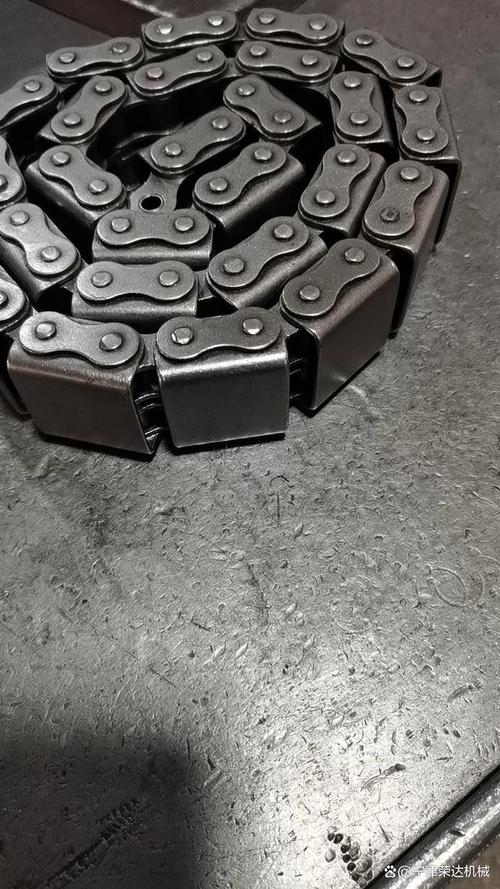
When selecting, key parameters such as modulus, number of teeth, pressure angle, and helix angle should be considered, and the material heat treatment method should be determined based on the actual load torque and speed. For heavy-duty low-speed scenarios, it is advisable to use hard toothed helical gears or herringbone gears to disperse axial forces; For high-speed and light load applications, spur gears or precision ground involute gears can be used. It should be noted that transmission gears are not suitable for non lubricated dry friction environments or non parallel axis staggered transmissions (unless they are worm gear or bevel gear structures). Compared with chain transmission, gear transmission has the advantages of constant instantaneous transmission ratio, compact structure, and high efficiency, but the manufacturing cost is relatively high and strict requirements are placed on the accuracy of the installation center distance.
The installation and maintenance process directly affects the service life of the transmission gear. During installation, it is necessary to ensure that the parallelism of the two axes and the center distance error are within the allowable range, in order to avoid tooth surface pitting or tooth breakage caused by unbalanced load. A regular lubrication system must be established in daily use, selecting industrial gear oil or grease of appropriate viscosity according to the working conditions, and regularly checking the oil level and quality. Common faults include tooth surface wear, bonding, plastic deformation, and fatigue fracture. Once abnormal noise or vibration is detected, the machine should be stopped immediately to check the meshing clearance and bearing condition. Reasonable maintenance can enable Jianxiang transmission gears to maintain stable operation for tens of thousands of hours under normal working conditions, reducing the risk of equipment shutdown.
AfterSalesService :
质保一年Key words:
More Products