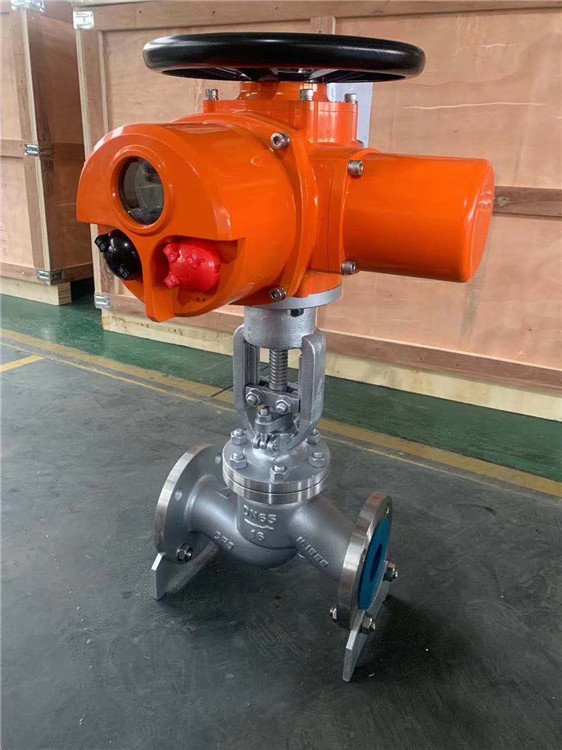

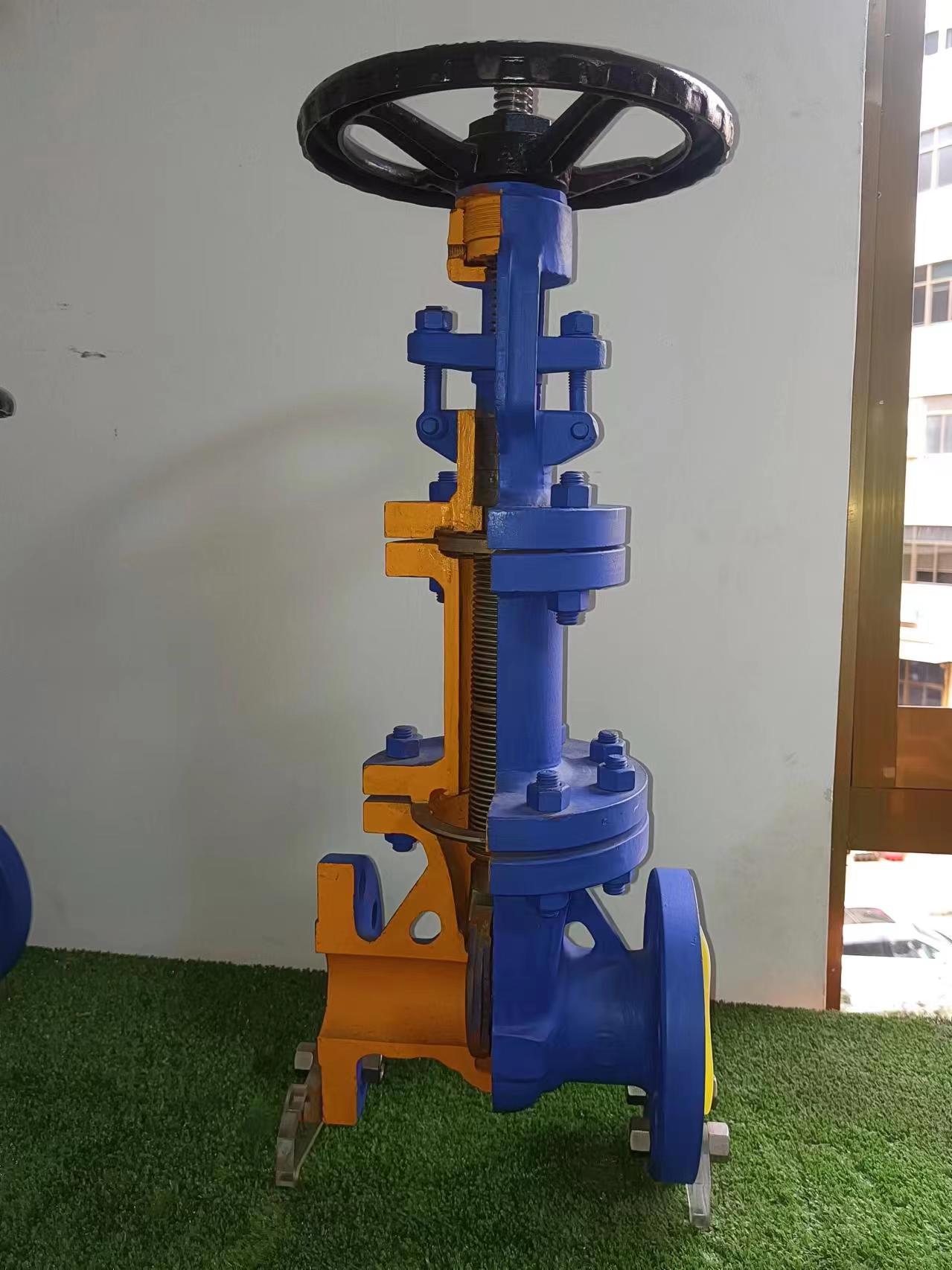
Industrial pipeline manual shut-off valve with carbon steel and stainless steel flange connection, good high pressure resistance and sealing performance
Category:
Instrumentation/valve/Shut-off valve
Model:
J41H
Brand:
Haisheng Fluid
Nominal pressure:
PN1.6-PN16.0 MPa
Operating temperature:
-29℃-425℃
Valve body material:
WCB/304/316L
connection method:
flange connection
Drive Type:
Manual
Applicable Medium:
Water/Steam/Oil
Execution Standard:
GB/T 12235
sealing form:
Hard seal/soft seal
Retail Price
10,000,000.00USD
重量
kg
- Product Description
-
Nominal pressure PN1.6-PN16.0 MPa
Operating temperature -29℃-425℃
Valve body material WCB/304/316L
connection method flange connection
Drive Type Manual
Applicable Medium Water/Steam/Oil
Execution Standard GB/T 12235
sealing form Hard seal/soft seal
Description :
A globe valve is an industrial valve that uses a valve stem to drive the valve disc to move along the centerline of the valve seat, thereby achieving control of pipeline opening and closing. Its core function is to cut off the flow of medium in fully open or fully closed state, suitable for pipeline systems with various non granular media such as steam, water, oil, etc. Due to the susceptibility of the valve seat and disc to erosion and wear when regulating flow, globe valves are mainly positioned for cutting off rather than throttling, and are widely used in petrochemical, electric heating, and water supply and drainage pipelines to ensure the safety and controllability of fluid transportation.
This series of globe valves is usually made of cast steel, forged steel, or stainless steel materials. The valve body structure is sturdy and can withstand high pipeline pressure. The connection method is mostly flange connection, which complies with national standards such as GB/T and JB/T. The sealing surface is precision ground or welded with hard alloy to ensure tightness when closed. The valve stem is designed with a reverse sealing structure to prevent medium leakage, and the packing box is made of flexible graphite or polytetrafluoroethylene material to adapt to different temperature ranges. The overall process focuses on optimizing the flow channel, reducing the flow resistance of the medium, while ensuring the structural stability and service life of the valve in high temperature and high pressure environments.
When selecting, it is important to consider the characteristics of the medium, working temperature, and pressure rating. Globe valves are suitable for cleaning media. If the medium contains particles or has high viscosity, it is easy to cause damage to the sealing surface or difficulty in operation, and should not be selected at this time. Compared with gate valves, globe valves have a shorter structural length but higher flow resistance. When installing, attention should be paid to the flow direction of the medium, following the principle of "low in, high out" to save opening torque and protect the sealing surface. For operating conditions that require frequent flow adjustment, it is recommended to use specially designed throttling globe valves or switch to regulating valves to avoid vibration and wear caused by long-term semi open state of ordinary globe valves.
Before installation, the debris inside the pipeline should be cleaned to prevent impurities from jamming the valve disc and affecting the seal. In daily maintenance, the tightness of the packing gland should be checked regularly, and any leaks should be promptly tightened or replaced with packing. For valves that have been in a closed state for a long time, it is recommended to slightly open and then close them regularly to prevent the valve disc from sticking to the valve seat. If there is difficulty in turning the handwheel, do not apply force forcefully. Check if the valve stem is bent or if the threads are damaged. When used in low-temperature environments, attention should be paid to the drainage and anti freezing of the valve body to avoid ice swelling and damage to the valve body structure, ensuring the continuous and stable operation of the pipeline system.
AfterSalesService :
Key words:
More Products