
filter
Category:
mechanical equipment/Separation equipment/filter
Model:
GL41H/W
Brand:
Haisheng Fluid
Main material:
304/316L stainless steel
connection method:
Flanges/Threads/Welding
filtration accuracy:
20-200 mesh
Nominal pressure:
PN1.6-PN4.0
Operating temperature:
-20℃~200℃
Applicable Medium:
Water/oil/gas/corrosive liquid
sealing material:
Nitrile rubber/polytetrafluoroethylene
Surface Treatment:
Sandblasting/Polishing
Retail Price
10,000,000.00USD
重量
kg
- Product Description
-
Main material 304/316L stainless steel
connection method Flanges/Threads/Welding
filtration accuracy 20-200 mesh
Nominal pressure PN1.6-PN4.0
Operating temperature -20℃~200℃
Applicable Medium Water/oil/gas/corrosive liquid
sealing material Nitrile rubber/polytetrafluoroethylene
Surface Treatment Sandblasting/Polishing
Description :
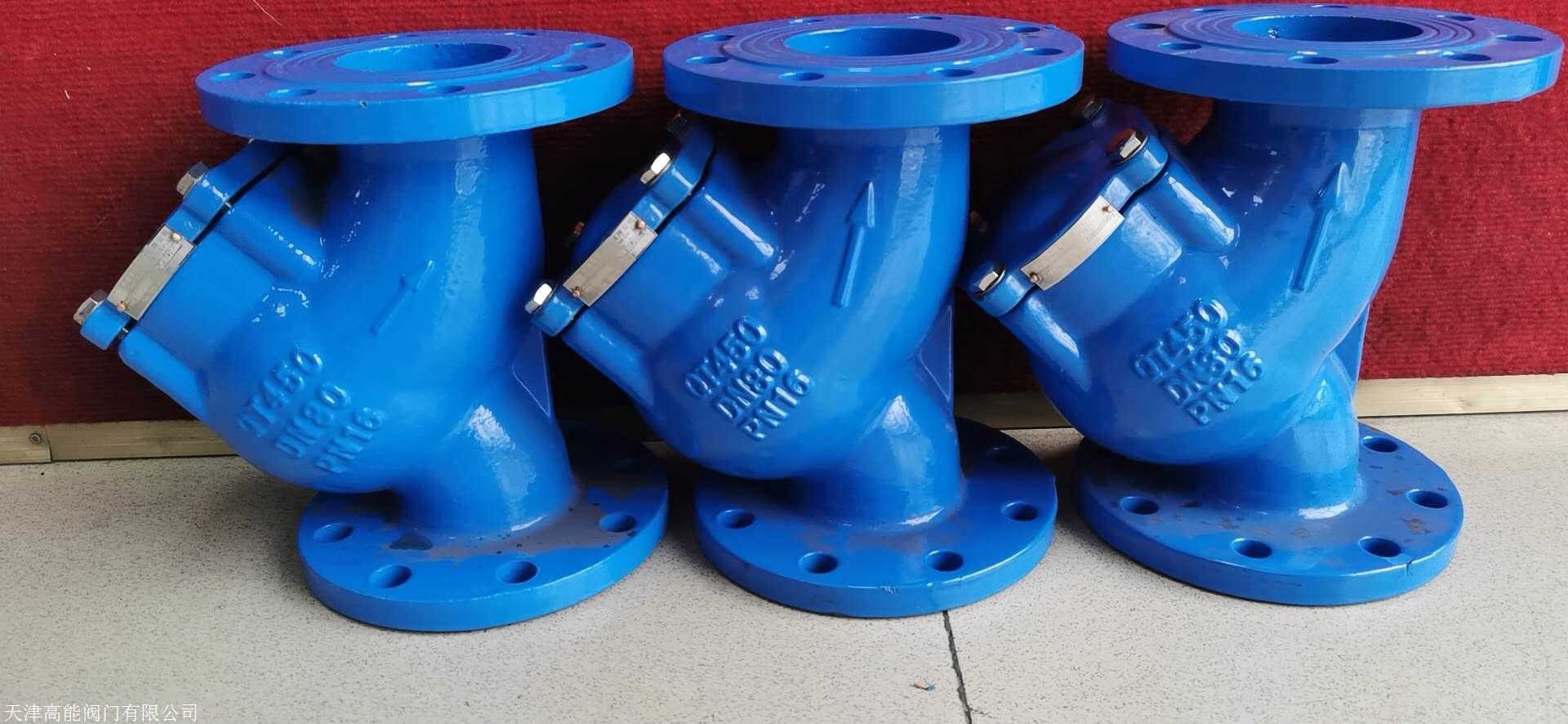
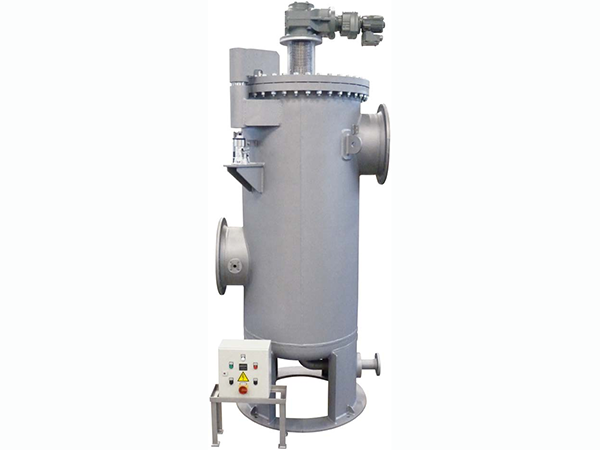
Filters are key components used in industrial fluid systems to remove solid impurities from media and protect downstream equipment. It mainly solves the problems of particulate matter blocking valves, damaging pump bodies, or affecting product quality in pipelines. Typical operating conditions include water treatment, petrochemical, pharmaceutical, and food and beverage production lines. This category intercepts suspended solids through filters or cartridges to ensure fluid cleanliness and maintain stable system operation. It is an indispensable pretreatment device in various liquid and gas transportation systems and is widely used in production processes that require high-purity media.
In terms of specifications, filters are usually made of 304 or 316L stainless steel material, which has good corrosion resistance and mechanical strength. Common connection methods include flange connection, threaded connection, and welding, with implementation standards covering domestic standards such as GB/T and HG/T, or international standards such as ASME and DIN. The filtration accuracy range is usually between 20 mesh and 200 mesh, depending on the choice of filter aperture. The common working pressure levels are PN1.6, PN2.5, PN4.0, etc. The temperature resistance range is generally from -20 ℃ to 200 ℃, and some special designs can adapt to higher temperatures. Suitable sealing materials such as nitrile rubber or polytetrafluoroethylene need to be selected according to the actual working conditions.
When selecting, it is necessary to clarify the type of medium, working temperature, pressure rating, and required filtration accuracy. For high viscosity fluids, a low resistance filter with a large flow area should be selected; For working conditions with high levels of ferromagnetic impurities, it is recommended to install magnetic components. Compared with the cleaner, the filter has higher precision but greater pressure loss, requiring regular cleaning and maintenance. If the system requires extremely high continuous operation, a dual switching filter should be considered to replace or clean the filter element without stopping the machine. Please note that filters are not suitable for removing dissolved impurities or microorganisms, and such requirements need to be used in conjunction with other purification equipment.
During installation, attention should be paid to the flow direction identification to ensure that the medium enters from the inlet and flows out from the outlet after passing through the filter screen, in order to avoid filter failure caused by reverse installation. The typical usage cycle depends on the cleanliness of the medium, and it is generally recommended to clean or replace it when the pressure difference reaches 0.05-0.1MPa. Daily maintenance includes regular inspections of the drain valve for leaks and the filter screen for damage. Common faults are manifested as excessive pressure drop, usually caused by clogged filter screens, and need to be cleaned in a timely manner; If there is a leak, it is often due to aging seals or loose flange bolts. It is necessary to replace the sealing gasket or tighten the bolts to ensure long-term stable operation of the system.
AfterSalesService :
Key words:
More Products