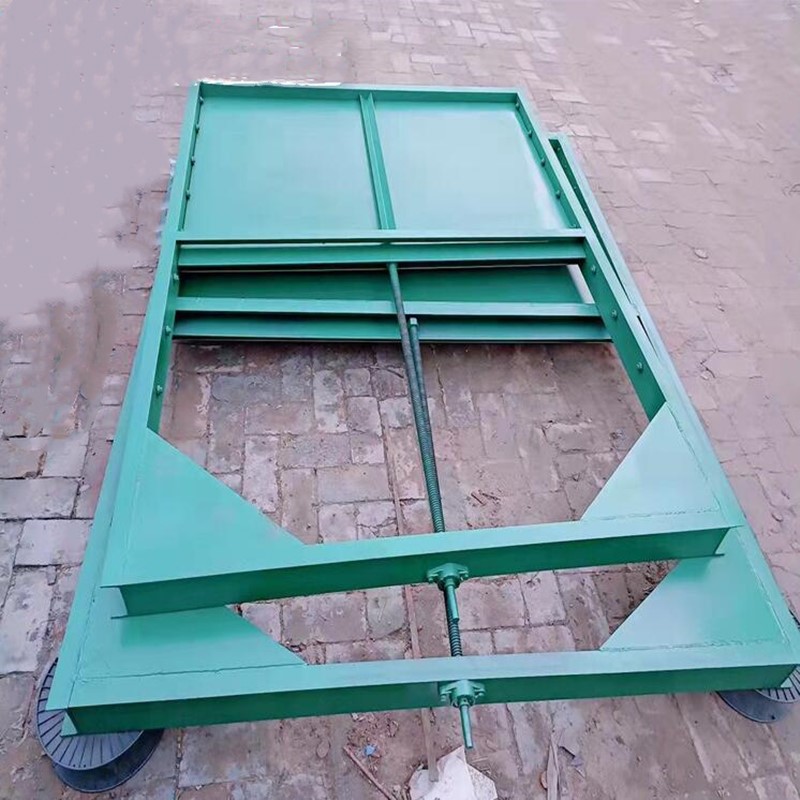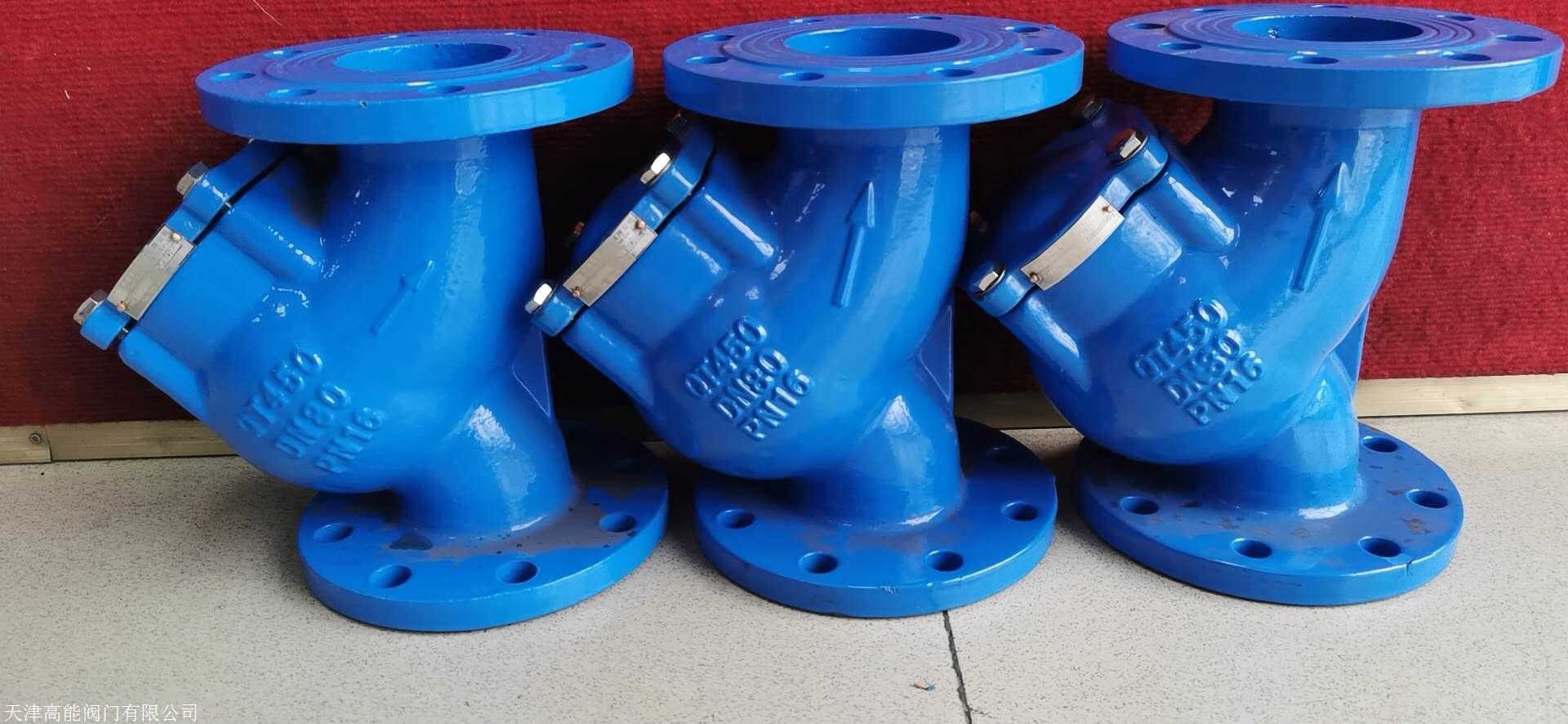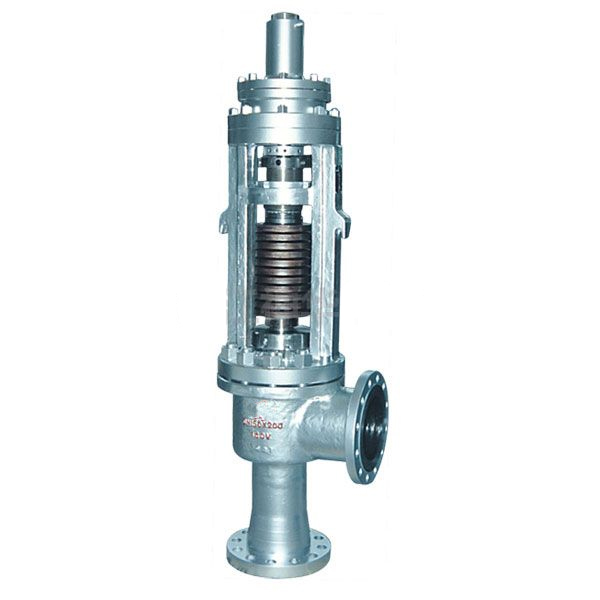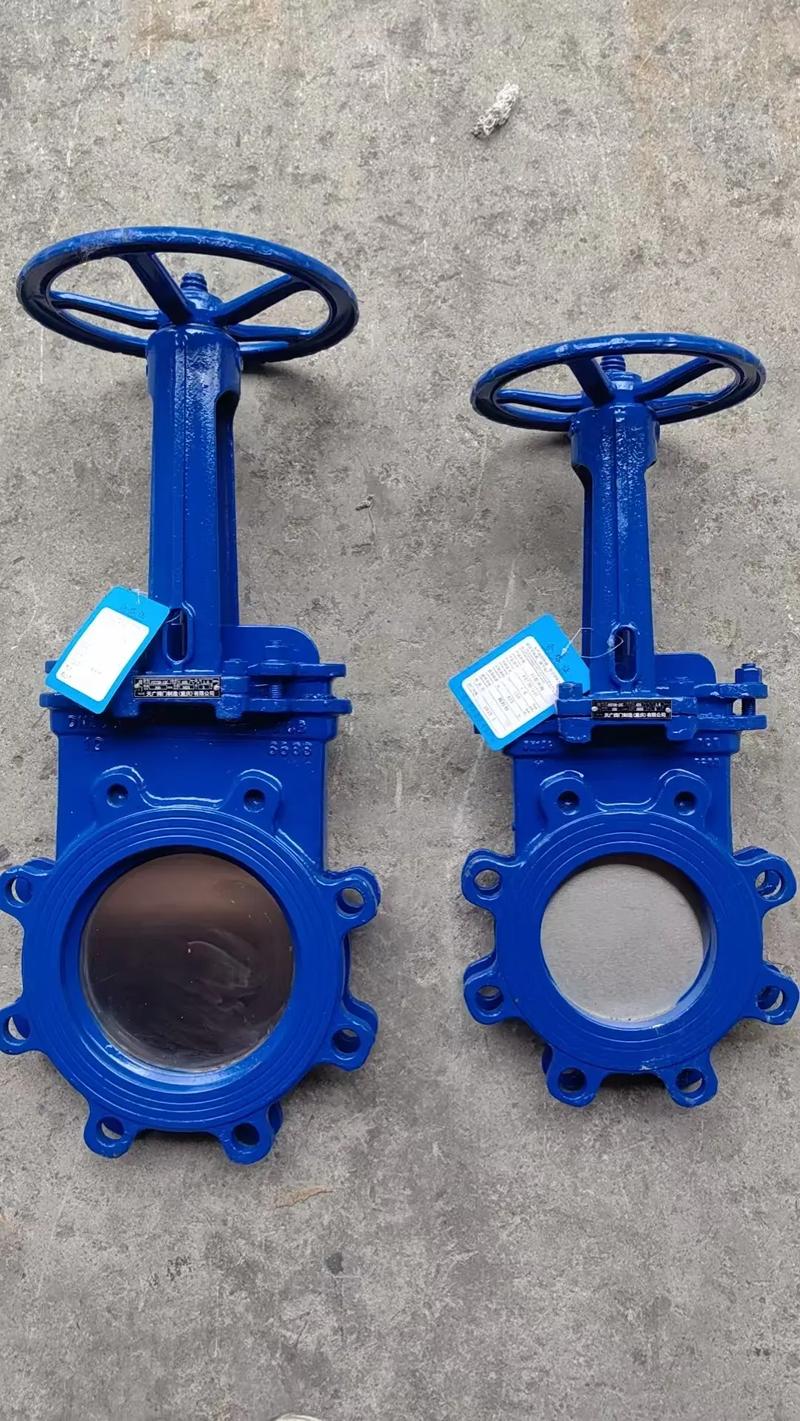

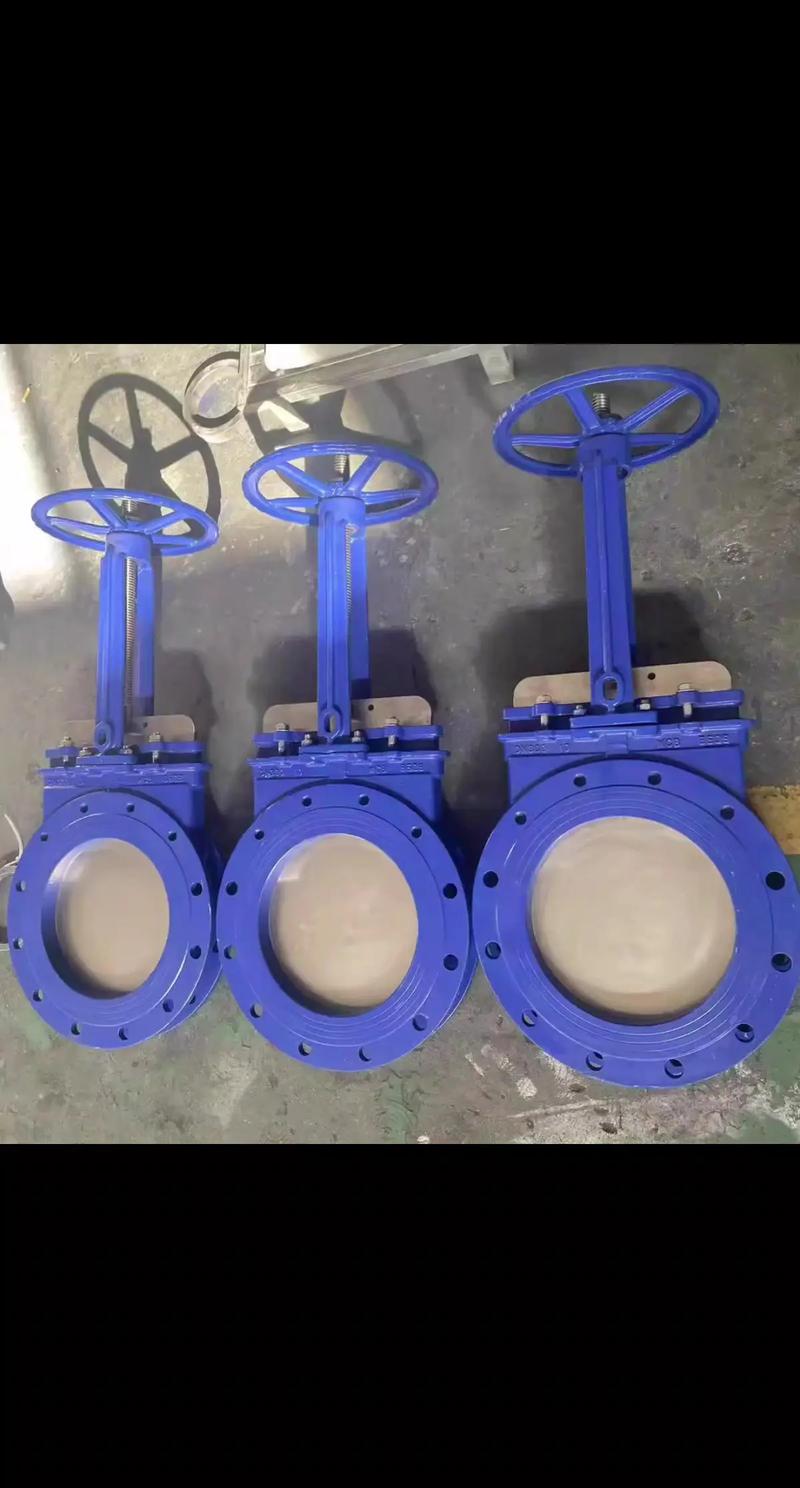
Manual knife gate valve, wear-resistant, dedicated valve for cutting off slurry and sewage pipelines
Category:
mechanical equipment/valve/Gate valve
Model:
Z73H/F
Brand:
Haisheng Fluid
Nominal Diameter:
DN50-DN1200
Nominal pressure:
PN1.0-2.5MPa
Operating temperature:
-20℃-200℃
Main material:
Cast iron/cast steel/stainless steel
Gate material:
Stainless steel/hard alloy
sealing form:
Hard seal/soft seal
connection method:
Flanges/clamps/welding
Drive Type:
Manual/Pneumatic/Electric
Applicable Medium:
Slurry/sewage/powder/slurry
Retail Price
10,000,000.00USD
重量
kg
- Product Description
-
Nominal Diameter DN50-DN1200
Nominal pressure PN1.0-2.5MPa
Operating temperature -20℃-200℃
Main material Cast iron/cast steel/stainless steel
Gate material Stainless steel/hard alloy
sealing form Hard seal/soft seal
connection method Flanges/clamps/welding
Drive Type Manual/Pneumatic/Electric
Applicable Medium Slurry/sewage/powder/slurry
Description :
Knife gate valve is a type of cut-off valve designed specifically for handling high viscosity, particle or fiber media. It mainly solves the problem of traditional gate valves being prone to blockage and sealing failure in slurry and sewage conditions. Its core structure adopts a thin gate plate, which cuts off the medium flow channel like a blade, with extremely low flow resistance and self-cleaning function. Typical operating conditions include papermaking black liquor, mining slurry, urban sewage treatment, and powder conveying systems. This category is suitable for pipeline systems with a nominal pressure of PN1.0-2.5MPa and a working temperature of -20 ℃ to 200 ℃. It is particularly suitable for situations that require full diameter and no retention space, ensuring smooth medium flow and avoiding sedimentation and accumulation.
The specifications of knife gate valves cover diameters from DN50 to DN1200, and the main material is usually cast iron, cast steel, or stainless steel (304/316L) to adapt to different corrosive media. The material of the gate plate is mostly hard alloy or surface hardened stainless steel, which has extremely high wear resistance and scratch resistance. Sealing forms are divided into hard seals and soft seals. Soft seals are commonly made of rubber or polytetrafluoroethylene to achieve zero leakage; Hard seals are used in environments with high temperatures or strong wear and tear. The execution standard follows GB/T12234 or JB/T8691, and the connection methods include flange type, clamp type, and welding type. The flange standard complies with GB/T9113 to ensure compatibility and installation convenience with the pipeline system.
When selecting a knife gate valve, it is important to consider the physical properties of the medium, such as particle size, concentration, and abrasion resistance. For media containing long fibers, a knife gate valve with a cutting blade structure should be selected to cut off the fibers; For strongly worn slurry, ceramic lining or super hardened gate plates are recommended. Not applicable scenarios include high-precision flow regulation (knife gate valves are only used for fully open or fully closed) and clean gas delivery. Compared with conventional gate valves, knife gate valves have a more compact structure and lighter weight, but have a larger opening and closing torque, requiring corresponding strength actuators to be matched. If the working pressure fluctuates greatly, attention should be paid to the stability of the valve seat support structure to prevent deformation and leakage.
When installing knife gate valves, ensure that the pipes are concentric to avoid forced alignment causing stress deformation of the valve body. It is recommended to install horizontally with the valve stem facing upwards for ease of operation and maintenance. Regular inspection of the sealing of the stuffing box is required for daily maintenance, and any leaks should be promptly tightened or replaced with stuffing; For valves that are in a closed state for a long time, the gate should be moved regularly to prevent jamming due to scaling or corrosion of the medium. Common faults include difficulty in opening and closing, often caused by rail fouling or gate deformation, requiring cleaning of the rail or calibration of the gate; If the sealing surface leaks, it is necessary to grind the sealing pair or replace the sealing ring. Maintaining lubrication of the valve stem threads can extend the lifespan of the operating mechanism and ensure the reliability of emergency shut-off function.
AfterSalesService :
Key words:
More Products