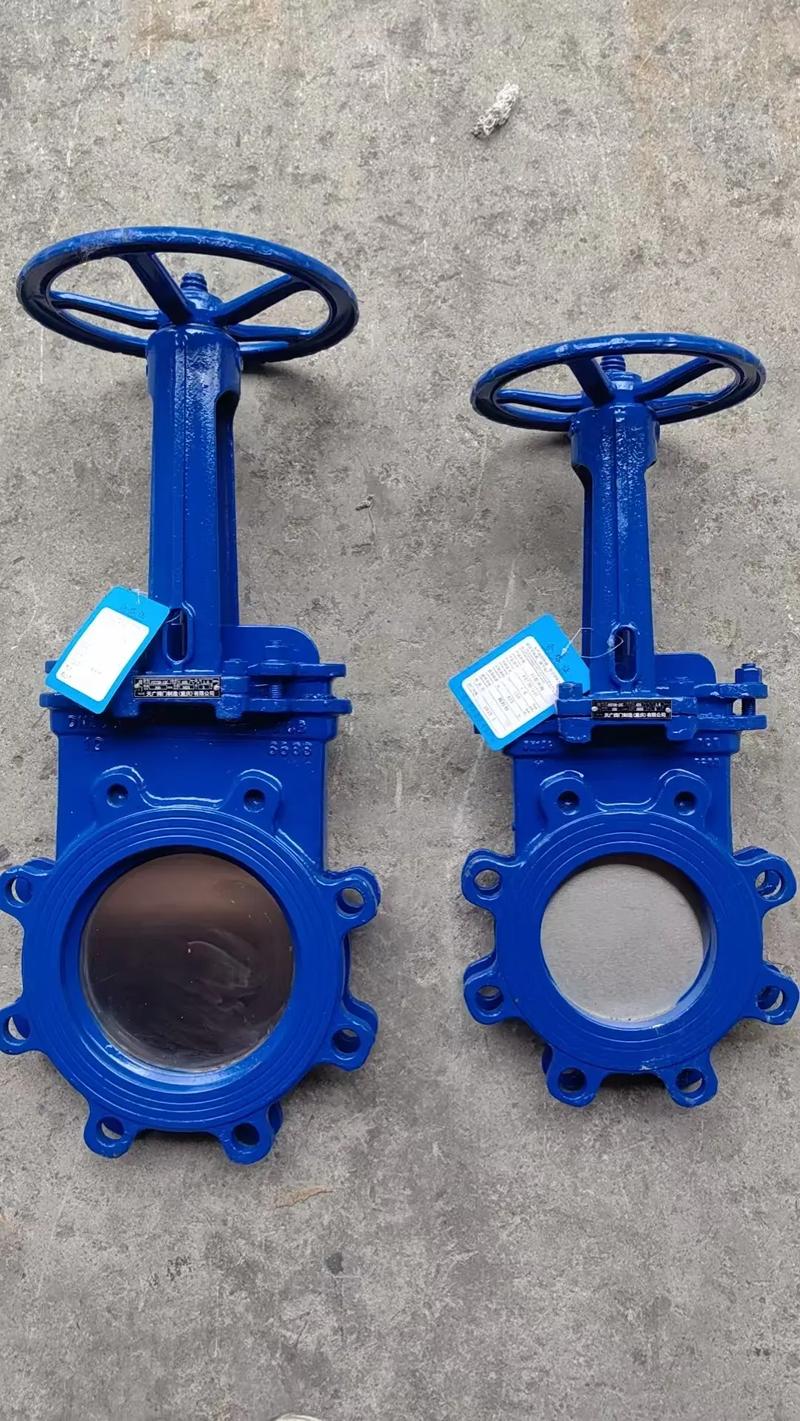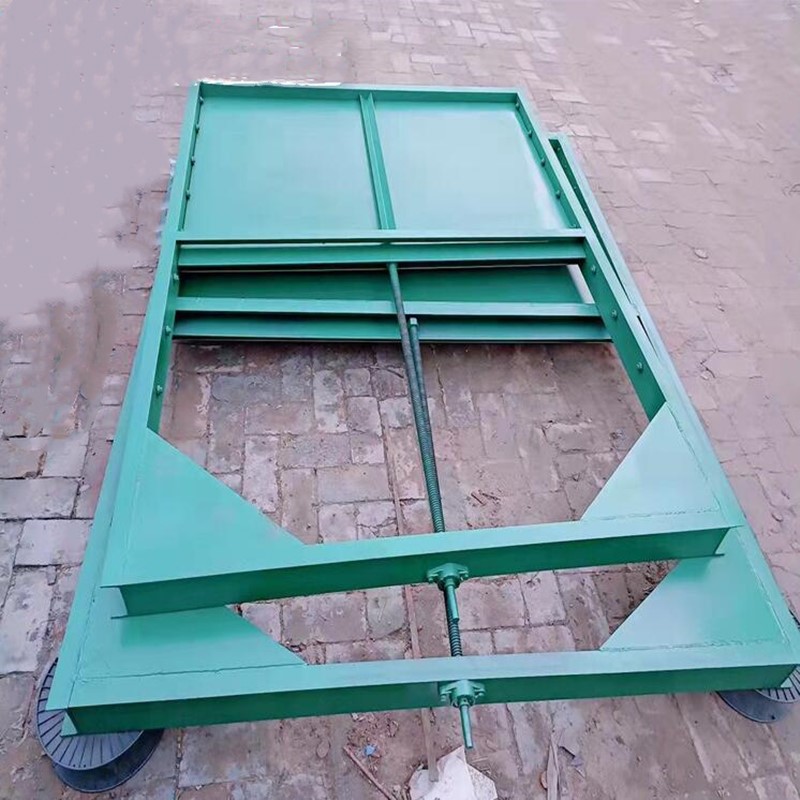

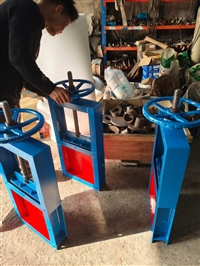
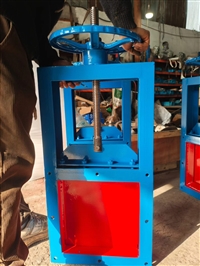
Manual plug-in valve made of carbon steel and stainless steel with wear-resistant sealing, suitable for dust particle material pipelines
Category:
chemical industry/valve/Gate valve
Model:
LMD
Brand:
Haisheng Fluid
Nominal Diameter:
DN100-DN1000
work pressure:
≤0.1MPa
Operating temperature:
≤300℃
Main material:
Q235 carbon steel/304 stainless steel
Drive Type:
Manual/Pneumatic/Electric
connection method:
flange connection
Applicable Medium:
Powder, granules, and small pieces of material
sealing form:
Hard seal/soft seal
Retail Price
10,000,000.00USD
重量
kg
- Product Description
-
Nominal Diameter DN100-DN1000
work pressure ≤0.1MPa
Operating temperature ≤300℃
Main material Q235 carbon steel/304 stainless steel
Drive Type Manual/Pneumatic/Electric
connection method flange connection
Applicable Medium Powder, granules, and small pieces of material
sealing form Hard seal/soft seal
Description :
Plug valve is a type of shut-off valve with a simple structure and easy operation, mainly used in pipeline transportation systems for powder and granular materials, to cut off or connect the flow of media. This valve achieves the opening and closing of the flow channel through the lifting motion of the gate, especially suitable for gravity feeding or low-pressure pneumatic conveying conditions. Due to its unobstructed flow path and low medium resistance, it can effectively prevent material blockage and is a key control equipment in unloading systems in industries such as cement, chemical, metallurgical, and power. It solves the problems of traditional valves being prone to jamming and poor sealing.
The main body of the plug-in valve is usually made of carbon steel or stainless steel material, which has good mechanical strength and corrosion resistance. The gate is precision machined with high surface smoothness, and is matched with wear-resistant sealing strips to ensure the sealing effect when closed. The valve body structure is compact, and the installation dimensions comply with universal standards, making it easy to connect with various flange pipelines. The driving method is mostly manual screw or handwheel operation, and some specifications can be equipped with pneumatic or electric actuators. In terms of manufacturing process, the welding parts undergo non-destructive testing to ensure no defects such as cracks or pores. The overall structure is stable and can withstand certain pipeline vibrations and impact loads, adapting to harsh industrial environments.
When selecting, it is necessary to choose the appropriate material and sealing form based on the characteristics of the medium, such as particle size, temperature, and corrosiveness. Plug in valves are suitable for room temperature, low pressure, non viscous powder or particle media, and are not suitable for high viscosity slurries or high-pressure gas pipelines. If there is a significant pressure difference in the operating conditions, a structure with bypass balanced pressure should be considered. Compared with butterfly valves, plug-in valves have lower flow resistance and are less prone to material accumulation when fully open; Compared to ball valves, it has lower manufacturing costs and easier maintenance. When purchasing, it is necessary to clarify the pipeline diameter, pressure rating, and installation direction to ensure that the valve size matches the on-site pipeline and avoid installation difficulties or leaks caused by size deviations.
When installing a plug-in valve, attention should be paid to the direction of the arrow on the valve body being consistent with the flow direction of the medium. Suitable gaskets should be installed at the flange connection and bolts should be evenly tightened to prevent leakage. In daily use, the accumulated dust and debris at the gate guide rail should be regularly cleaned to maintain smooth sliding, and lubricating grease should be added if necessary. For valves that do not operate for a long time, it is recommended to perform a full open and full close operation once a month to prevent the valve from getting stuck. Common faults include loose closing and laborious operation. The former is often caused by worn sealing surfaces or foreign objects, while the latter is often caused by deformed guide rails or lack of lubrication. Timely cleaning and maintenance can extend the service life of the plug-in valve and ensure stable operation of the production system.
AfterSalesService :
Key words:
More Products