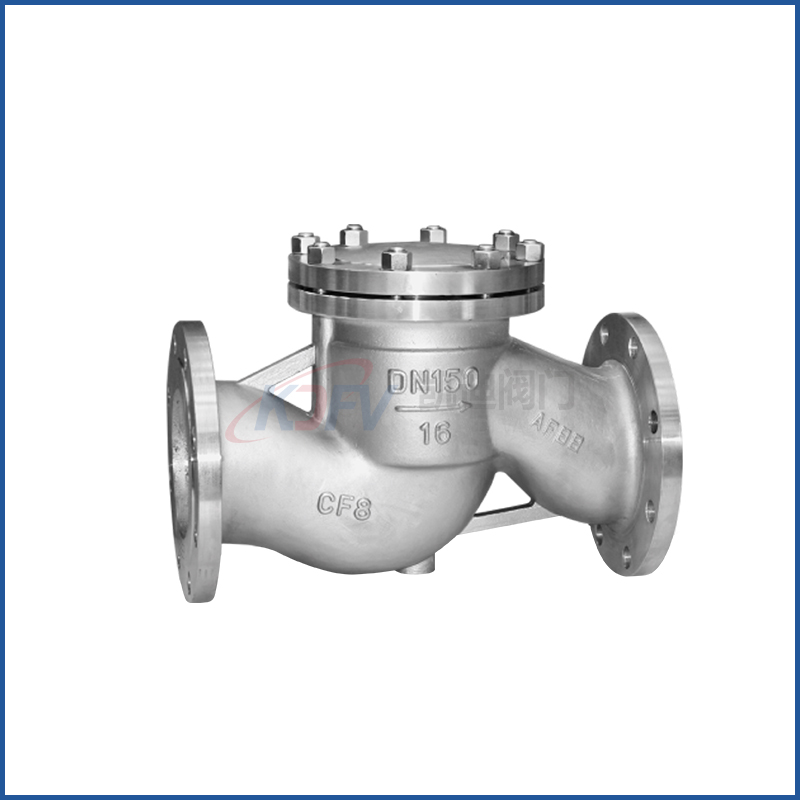

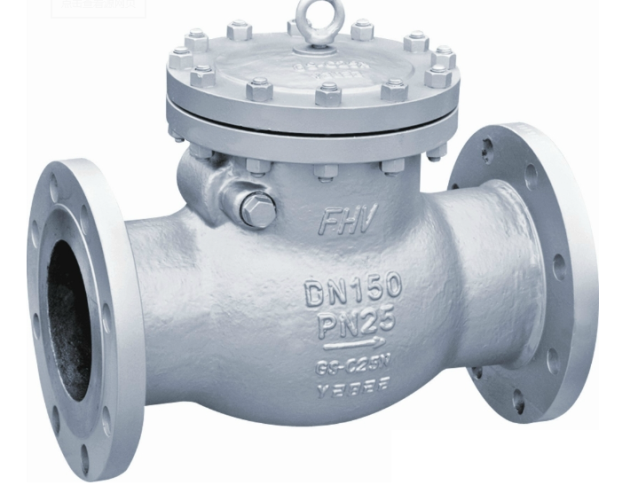
Check valves for industrial pipelines have good sealing performance and strong pressure resistance to prevent medium backflow
Category:
mechanical equipment/valve/Check valve
Model:
H41H/H44H
Brand:
Haisheng Fluid
Nominal pressure:
PN1.0-PN4.0 MPa
Operating temperature:
-20℃-425℃
Valve body material:
Cast steel/stainless steel/cast iron
connection method:
Flanges/clamps/threads
structural form:
Swing/lift type
Execution Standard:
GB/T 12236
Applicable Medium:
Water/Steam/Oil
Sealing grade:
Hard seal/soft seal
Retail Price
10,000,000.00USD
重量
kg
- Product Description
-
Nominal pressure PN1.0-PN4.0 MPa
Operating temperature -20℃-425℃
Valve body material Cast steel/stainless steel/cast iron
connection method Flanges/clamps/threads
structural form Swing/lift type
Execution Standard GB/T 12236
Applicable Medium Water/Steam/Oil
Sealing grade Hard seal/soft seal
Description :
Check valve is an automatic valve mainly installed in pipeline systems to prevent reverse flow of media and protect key equipment such as pumps and compressors from damage. In the production system of Wenzhou Haisheng Fluid Equipment Co., Ltd., such products are widely used in fields such as petroleum, chemical, power, and water treatment. Its core function is to automatically open when the medium flows forward and quickly close when the medium stops or flows in the opposite direction, ensuring the safe and stable operation of the pipeline system. It is an indispensable basic component in industrial fluid control.
This series of check valves is usually made of high-strength materials such as cast steel, stainless steel, or cast iron, which have good corrosion resistance and mechanical strength. The valve body structure is compact, and the sealing surface is precision machined to ensure tightness when closed, effectively preventing leakage. The implementation standards comply with national standards such as GB/T 12236, and some models can be certified internationally through API 594. The working pressure range usually covers PN1.0 to PN4.0MPa, with a suitable temperature range of -20 ℃ to 425 ℃. The specific parameters depend on the material and structural form, and can meet the stringent requirements of various working conditions.
When selecting, it is necessary to choose a suitable structural form based on the characteristics of the medium (such as viscosity, corrosiveness), flow rate, and installation space. Common types include swing, lift, and clamp. Swing type is suitable for large caliber and low flow rate applications, with low resistance; The lifting type has better sealing performance and is suitable for small caliber high-pressure environments. If the medium contains particulate impurities, it is recommended to choose a model with drainage function or undergo regular maintenance. Unlike globe valves, check valves do not require manual operation and rely entirely on the power of the medium to operate. Therefore, when designing pipelines, it is necessary to fully consider their flow direction identification to avoid system failure caused by reverse installation.
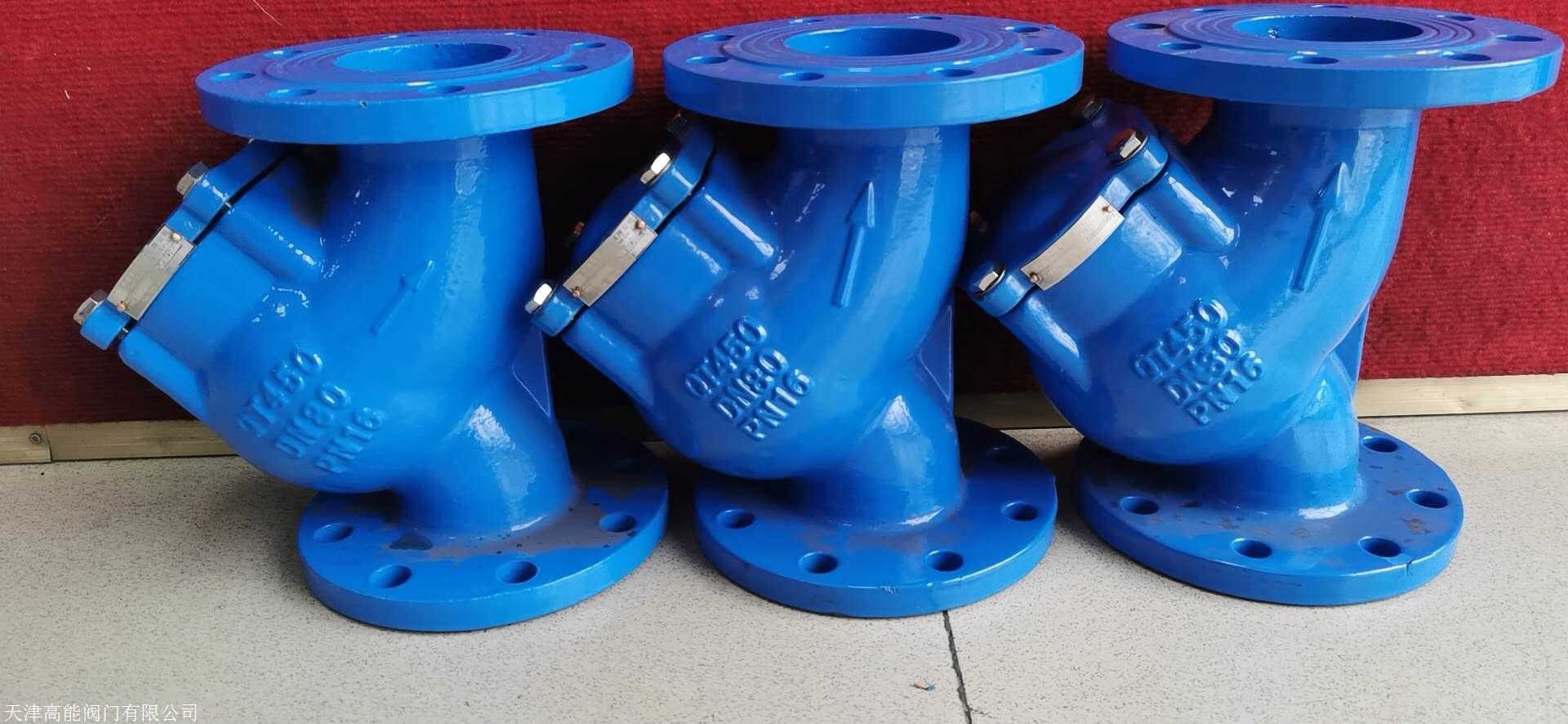
Before installation, the welding slag, rust and other debris inside the pipeline should be cleaned to avoid jamming the valve disc and affecting the closing effect. During installation, it is important to ensure that the direction of the valve body arrow is consistent with the direction of the medium flow. Bolts should be evenly tightened at the flange connection to prevent leakage caused by uneven stress. In daily maintenance, it is necessary to regularly check whether the valve disc operates flexibly and whether there are signs of wear or corrosion on the sealing surface. If it is found that the closure is not tight or produces abnormal noise, it should be disassembled, cleaned or replaced with sealing components in a timely manner. When the valve is not in use for a long time, it should be kept open and treated with rust prevention to extend its service life and ensure continuous and stable fluid control performance.
AfterSalesService :
Key words:
More Products