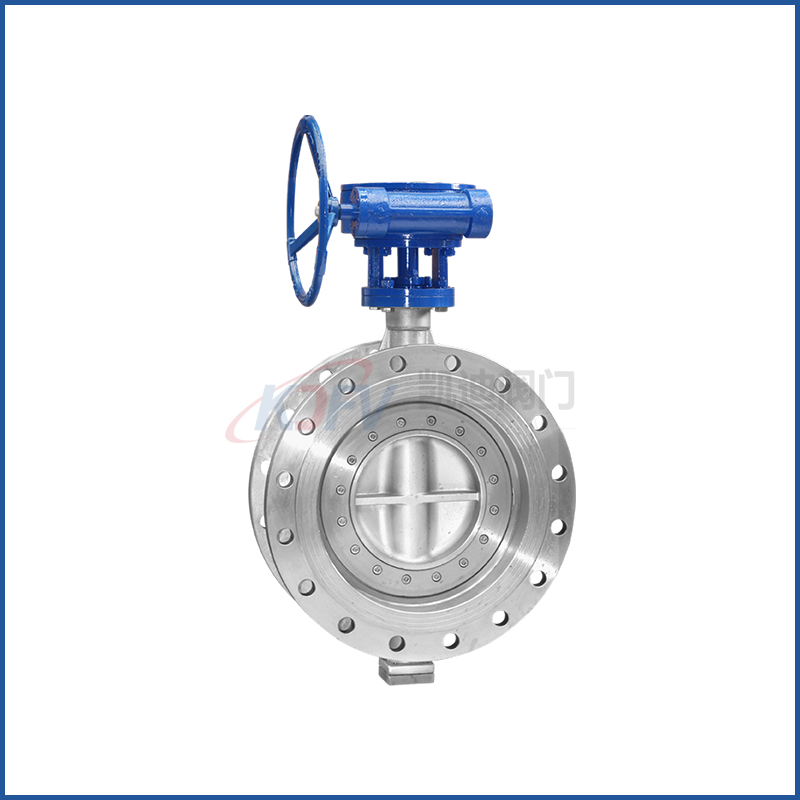

Industrial pipeline universal butterfly valve has good corrosion resistance and sealing performance, suitable for water, oil and gas media
Category:
mechanical equipment/valve/butterfly valve
Model:
D343H/D373H
Brand:
Haisheng Fluid
Nominal Diameter:
DN50-DN2000
Nominal pressure:
PN1.0-PN2.5MPa
Operating temperature:
-20℃~120℃
Valve body material:
Cast steel/stainless steel/ductile iron
connection method:
Clamp type/flange type
Drive Type:
Manual/worm gear/pneumatic/electric
sealing form:
Soft seal/hard seal
Execution Standard:
GB/T 12238-2008
Retail Price
10,000,000.00USD
重量
kg
- Product Description
-
Nominal Diameter DN50-DN2000
Nominal pressure PN1.0-PN2.5MPa
Operating temperature -20℃~120℃
Valve body material Cast steel/stainless steel/ductile iron
connection method Clamp type/flange type
Drive Type Manual/worm gear/pneumatic/electric
sealing form Soft seal/hard seal
Execution Standard GB/T 12238-2008
Description :
Butterfly valve is a structurally simple regulating valve that can also be used for on/off control of low-pressure pipeline media. It achieves the purpose of opening and closing by rotating a disc-shaped opening and closing member around the valve shaft, mainly solving the problems of medium circulation and cutoff in pipelines. In typical working conditions, butterfly valves are widely used in water supply and drainage, gas and oil pipeline systems in industries such as water plants, power plants, and steel mills. Its core advantages lie in its small size, light weight, low material consumption, small installation size, small driving torque, easy and fast operation, as well as good fluid control characteristics and sealing performance. It is an indispensable basic control component in modern industrial pipeline systems.
This butterfly valve usually uses cast steel, stainless steel, or ductile iron as the valve body material, and the valve plate is selected from carbon steel, stainless steel, or rubber/fluorine lined materials according to the characteristics of the medium to ensure corrosion resistance and durability. The sealing surface materials are diverse, including rubber, polytetrafluoroethylene, etc., to meet different temperature and pressure requirements. The execution standards generally follow international general standards such as GB/T 12238-2008 "Flange and Clamp Connection Elastic Seal Butterfly Valve" or API 609. The conventional nominal pressure range is PN1.0-PN2.5MPa, and the working temperature range is usually between -20 ℃ and+120 ℃ (depending on the sealing material). The product structure is divided into two types: clamp type and flange type, with flexible connection methods that facilitate installation and maintenance in different pipeline layouts, ensuring the stability and safety of system operation.
When selecting, it is necessary to clarify the type of medium, working pressure, temperature range, and flow requirements. For non corrosive media such as clean water and air, ordinary cast iron or carbon steel butterfly valves can be used; For corrosive media such as acid and alkali, fluorine lined or stainless steel butterfly valves should be selected. It should be noted that butterfly valves are not suitable for precision control applications with high pressure differentials, high flow rates, or extremely high sealing requirements. In such cases, globe valves or ball valves should be given priority consideration. Compared with gate valves, butterfly valves have a more compact structure, faster opening and closing speed, but slightly higher flow resistance coefficient; Compared to ball valves, butterfly valves have a cost advantage and are lighter in weight in large-diameter pipelines. When purchasing, a comprehensive evaluation should be conducted based on the actual operating parameters and the flow characteristic curve of the valve to ensure that the selection accurately matches the system requirements.
Before installation, check whether the valve specifications and models are consistent with the pipeline design, remove debris from the valve chamber, and ensure that the sealing surface is not damaged. During installation, it is important to ensure that the flow direction of the medium is consistent with the direction indicated by the arrow on the valve body. The flange connection bolts should be tightened diagonally and evenly to avoid uneven stress on the valve body causing leakage. In daily maintenance, the valve stem packing box should be regularly checked for leaks, and the packing should be tightened or replaced in a timely manner; Regularly activate the valve to prevent jamming caused by prolonged inactivity. Common faults include wear and leakage of the sealing surface, and inflexible rotation of the valve stem. They can be repaired by grinding the sealing surface, cleaning the valve stem, or replacing damaged parts. A reasonable usage cycle and maintenance plan can significantly extend the service life of butterfly valves, reduce system operating costs, and ensure the long-term stable operation of pipeline systems.
AfterSalesService :
Key words:
More Products