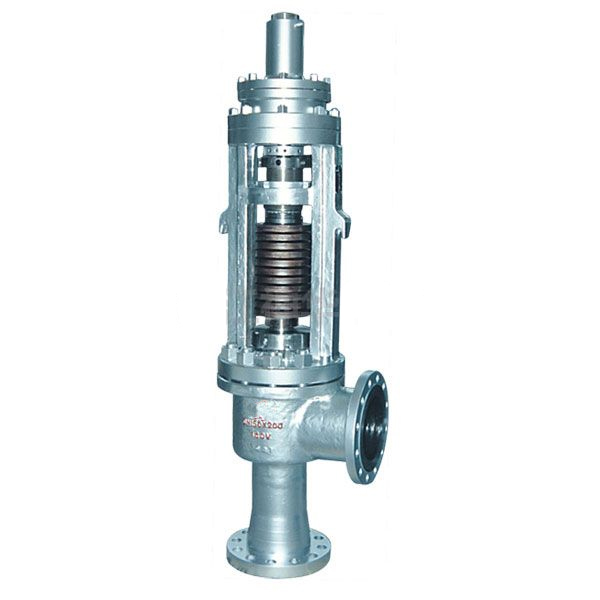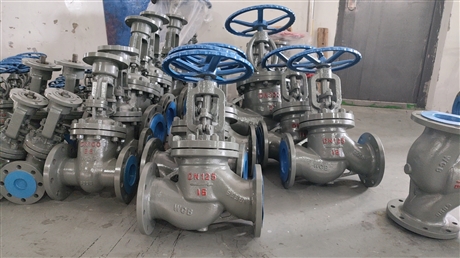

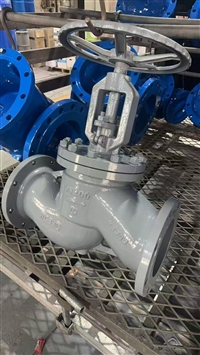
Industrial pipeline throttle valve, precise flow regulation, high-pressure and corrosion-resistant fluid control valve
Category:
mechanical equipment/valve/throttle valve
Model:
L41H
Brand:
Haisheng Fluid
Nominal Diameter:
DN6-DN200
Nominal pressure:
1.6-32MPa
Applicable Medium:
Water/Oil/Steam/Gas
Valve body material:
Cast steel/stainless steel
connection method:
Thread/flange/welding
Operating temperature:
-20℃-200℃
Adjusting characteristics:
Linear/Equal Percentage
Drive Type:
Manual/Electric/Pneumatic
Retail Price
10,000,000.00USD
重量
kg
- Product Description
-
Nominal Diameter DN6-DN200
Nominal pressure 1.6-32MPa
Applicable Medium Water/Oil/Steam/Gas
Valve body material Cast steel/stainless steel
connection method Thread/flange/welding
Operating temperature -20℃-200℃
Adjusting characteristics Linear/Equal Percentage
Drive Type Manual/Electric/Pneumatic
Description :
Throttle valve is a pipeline accessory used for precise control of fluid flow and pressure, mainly to solve the problem of unstable medium flow rate or the need for quantitative transportation in industrial systems. In hydraulic, pneumatic, and water treatment systems, throttle valves adjust the flow resistance of the medium by changing the cross-sectional area of the channel, thereby achieving stable control of the actuator's movement speed or system pressure. Typical operating conditions include high-pressure hydraulic oil circuits, steam pipeline depressurization, and chemical liquid metering and transportation. This category is suitable for scenarios that require frequent adjustment and high sealing requirements. It is an indispensable basic component in fluid control systems, which can ensure the smoothness and safety of production line operation.
In terms of specifications, the common range of throttle valve diameters is from DN6 to DN200, and the working pressure usually covers 1.6MPa to 32MPa, depending on the structural form and material selection. Valve body materials are often made of cast steel, stainless steel, or brass to meet the corrosion requirements of different media; The valve core and valve seat are precision ground to ensure the linearity and repeatability of throttling characteristics. The execution standard refers to GB/T 12224 or JB/T series specifications, and some exported products meet the testing requirements of API 598. The connection methods include threaded connection, flange connection, and welding, and the installation dimensions comply with national standards, making it easy to connect with existing pipeline systems. The high-temperature resistant model can withstand medium temperatures above 200 ℃, meeting the requirements of special working conditions.
When selecting, it is necessary to clarify the type of medium, working temperature, pressure rating, and flow regulation range. If the medium contains particulate impurities, it is recommended to use needle type throttle valves with strong anti scouring ability or combination valves with filtering function; For high-frequency regulation scenarios, priority should be given to valve core components made of wear-resistant alloy materials. Attention should be paid to the difference between throttle valves and globe valves. The former focuses on flow regulation rather than complete shut-off, so it is not recommended to use them separately as isolation valves. If the system requires bidirectional flow, it is necessary to confirm whether the valve body structure is symmetrical; For high-precision control scenarios, electric or pneumatic actuators can be used to achieve automated remote control, avoiding manual operation errors and improving system response speed and control accuracy.
Before installation, the internal debris of the pipeline should be cleaned to prevent welding slag or iron chips from blocking the valve core, affecting the adjustment accuracy, and even damaging the sealing surface. It is recommended to install horizontally or vertically, and the direction of the handle or actuator should be easy to operate and maintain. In daily use, regularly check for leaks at the valve stem packing, and if necessary, tighten the gland or replace the seal. Long term operation with a small opening can easily cause erosion of the valve port. It is recommended to regularly fully open and flush or alternate the use of backup pipelines. Common faults include adjustment failure, internal or external leakage, often caused by wear and tear of the sealing surface or deposition of impurities. Disassembly, cleaning or grinding repair can restore performance. The maintenance cycle depends on the severity of the working conditions, and it is generally recommended to conduct a comprehensive inspection every six months.
AfterSalesService :
Key words:
More Products