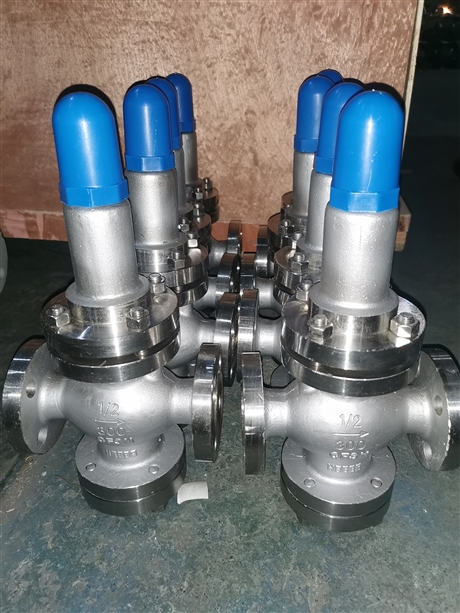

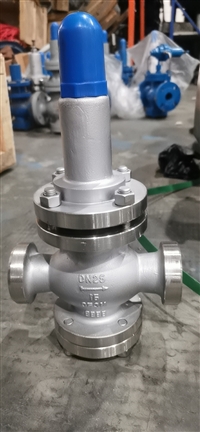
Industrial pipeline pressure reducing valve has high pressure stabilization accuracy and is suitable for water, gas, and oil media
Category:
mechanical equipment/valve/Pressure reducing valve
Model:
Y41H/Y42F/Y43H
Brand:
Haisheng Fluid
Nominal pressure:
PN1.6 MPa
Applicable Medium:
Water/Air/Oil
Valve body material:
Cast iron/cast steel
connection method:
flange connection
Operating temperature:
-10℃~80℃
Execution Standard:
GB/T 12244
sealing form:
Hard seal/soft seal
adjustment accuracy:
±5%
Retail Price
10,000,000.00USD
重量
kg
- Product Description
-
Nominal pressure PN1.6 MPa
Applicable Medium Water/Air/Oil
Valve body material Cast iron/cast steel
connection method flange connection
Operating temperature -10℃~80℃
Execution Standard GB/T 12244
sealing form Hard seal/soft seal
adjustment accuracy ±5%
Description :
A pressure reducing valve is a specialized device used to automatically reduce the working pressure of pipelines, mainly to solve the problem of upstream pressure fluctuations affecting downstream equipment. It reduces the inlet pressure to a desired outlet pressure and relies on the energy of the medium itself to automatically maintain a stable outlet pressure. This device is widely used in high-rise buildings, urban water supply networks, fire protection systems, and industrial production processes to ensure the safe operation of end of pipe water or gas equipment. As a key component of fluid control, pressure reducing valves can effectively prevent pipeline rupture or equipment damage caused by excessive pressure, and are the core components to ensure the stability of pipeline systems.
In terms of specifications and processes, conventional pressure reducing valve bodies are often made of cast iron, cast steel, or stainless steel to meet the corrosive requirements of different media. The sealing surface is usually made of hard alloy or fluoroplastic to ensure long-term sealing performance. The execution standards generally follow the national standards GB/T 12244 or GB/T 12245, and some exported products comply with API or ISO certification systems. The typical working pressure range covers PN1.0 to PN4.0MPa, and the applicable temperature range is usually between -10 ℃ and 80 ℃ (depending on the sealing material). Before leaving the factory, strict pressure testing and flow characteristic testing are required to ensure flexible opening and closing, no leakage, and pressure deviation is controlled within the allowable range, meeting the durability requirements of industrial grade.
When selecting, it is necessary to clarify the type of medium (water, air, steam, or oil), inlet and outlet pressure parameters, and required flow rate. For domestic water supply systems, it is advisable to use direct acting membrane pressure reducing valves, which have low noise and sensitive response; For high-pressure steam or large industrial pipelines, it is recommended to use a pilot operated piston pressure reducing valve, as it has higher stability accuracy and stronger anti-interference ability. Attention should be paid to distinguishing the functional differences between pressure reducing valves and safety valves. The former is used for daily voltage stabilization, while the latter is used for overpressure protection and cannot be mixed. If the medium contains impurities, it is recommended to install a filter in front of the valve to prevent the valve core from getting stuck, extend the service life of the pressure reducing valve, and maintain a stable pressure reducing effect.
Before installing the pressure reducing valve, the pipeline should be flushed to remove welding slag and debris, to avoid blocking the valve hole or scratching the sealing surface. It is recommended to install horizontally, and the direction of the valve body arrow should be consistent with the flow direction of the medium. Pressure gauges should be installed at the front and rear ends for real-time monitoring of pressure changes. In daily maintenance, it is necessary to regularly check whether the pressure gauge reading is stable and observe whether there is any leakage phenomenon. If abnormal fluctuations in outlet pressure or valve whistling are found, it may be due to valve core wear or spring fatigue, and it is necessary to disassemble, clean or replace vulnerable parts in a timely manner. When it is not in use for a long time, the front and rear shut-off valves should be closed to drain the accumulated water in the valves, prevent rust, and ensure that the pressure reducing valve can quickly return to normal working condition when it is put back into use.
AfterSalesService :
Key words:
More Products