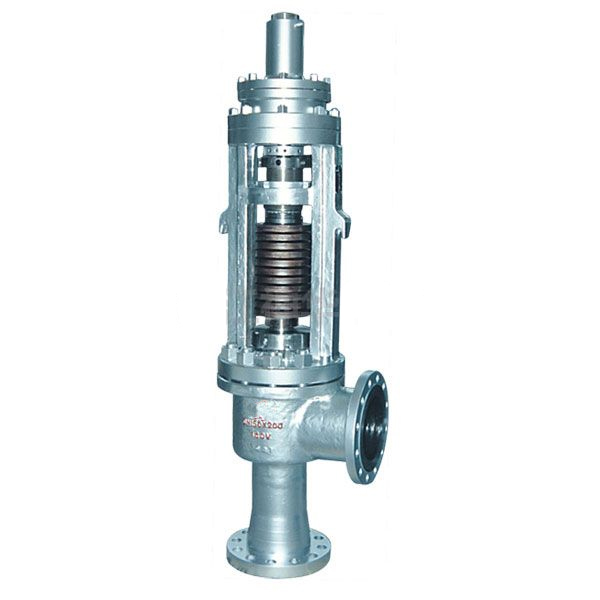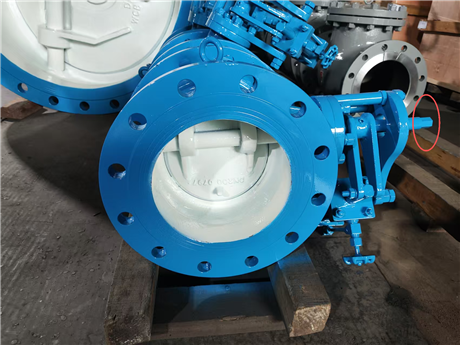

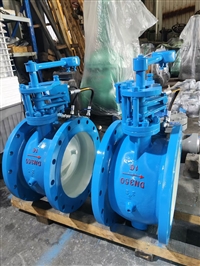
Micro resistance slow closing inclined plate check valve for low water hammer noise elimination, specifically designed for large-diameter pipelines
Category:
mechanical equipment/valve/Check valve
Model:
HH47X/H
Brand:
Haisheng Fluid
Nominal pressure:
PN1.0-PN4.0 MPa
Applicable Medium:
Clear water, seawater, and sewage
Operating temperature:
-10℃~80℃
Valve body material:
Ductile iron/cast steel
Valve plate material:
Stainless steel/carbon steel coated with adhesive
connection method:
flange connection
Drive Type:
Hydraulic control automatic
Execution Standard:
GB/T 12236
Retail Price
10,000,000.00USD
重量
kg
- Product Description
-
Nominal pressure PN1.0-PN4.0 MPa
Applicable Medium Clear water, seawater, and sewage
Operating temperature -10℃~80℃
Valve body material Ductile iron/cast steel
Valve plate material Stainless steel/carbon steel coated with adhesive
connection method flange connection
Drive Type Hydraulic control automatic
Execution Standard GB/T 12236
Description :
Micro resistance slow closing inclined plate check valve is an automatic valve installed on horizontal or vertical pipelines, mainly to solve the water hammer effect and pipeline vibration problems caused by medium backflow when the pump stops running. This valve achieves a two-stage action of fast and slow closing through a unique inclined plate structure and hydraulic buffering system, effectively protecting the safety of the water pump and pipeline system. It is widely used in urban water supply, sewage treatment plants, high-rise building water supply, and industrial circulating water systems, especially suitable for large-scale pump station conditions with strict standards for noise reduction and anti backflow performance, ensuring one-way fluid flow and minimal resistance.
The main body of the micro resistance slow closing inclined plate check valve is usually made of ductile iron or cast steel material, and the valve plate is made of stainless steel or carbon steel coated with rubber to ensure corrosion resistance and sealing. The implementation standards comply with GB/T 12236 and JB/T 8937 specifications, with a nominal pressure range covering PN1.0 to PN4.0MPa and a suitable temperature generally between -10 ℃ and 80 ℃. The valve body structure is compact, the flow channel design is optimized, and the flow resistance coefficient is much lower than that of traditional swing check valves. The driving method relies on the flow energy of the medium itself, without the need for external power or gas sources. The buffer cylinder is filled with hydraulic oil, and the closing time can be precisely controlled by adjusting the needle valve. The fast closing stage usually accounts for 70% -80%, and the slow closing stage accounts for 20% -30%.
When selecting a micro resistance slow closing inclined plate check valve, it is important to consider the pipe diameter, working pressure, and medium characteristics. It is suitable for non corrosive or weakly corrosive liquids such as clean water, seawater, and sewage, and is not suitable for media containing a large amount of solid particles or high viscosity to avoid blocking the valve plate. Compared with double disc check valves, its slow closing function is better and the water hammer elimination effect is significant; Compared with lift check valves, it has a larger flow capacity and smaller pressure loss. When purchasing, it is necessary to confirm whether the installation space meets the length requirements of the valve body, and verify the flange connection standards (such as GB, HG, ANSI, etc.) to ensure compatibility with the existing pipeline system and avoid difficulties in on-site modification.
Before installing the micro resistance slow closing inclined plate check valve, the pipeline should be cleaned of debris to ensure that there are no welding slag or stones inside the valve body. It is recommended to install horizontally. If installing vertically, it is necessary to confirm the flow direction of the medium from bottom to top. In daily maintenance, it is necessary to regularly check whether there is oil leakage in the buffer cylinder and observe whether the closing process is smooth and without abnormal noise. If abnormal closing speed is found, it can be fine tuned by adjusting the opening of the adjusting screw or needle valve on the buffer. Before reusing after long-term disuse, the flexibility of the valve plate rotation should be manually checked. Common faults include loose closing or noise generation, often caused by foreign objects or buffer leakage on the sealing surface. It is necessary to clean the sealing surface or replenish hydraulic oil in a timely manner to restore performance.
AfterSalesService :
Key words:
More Products